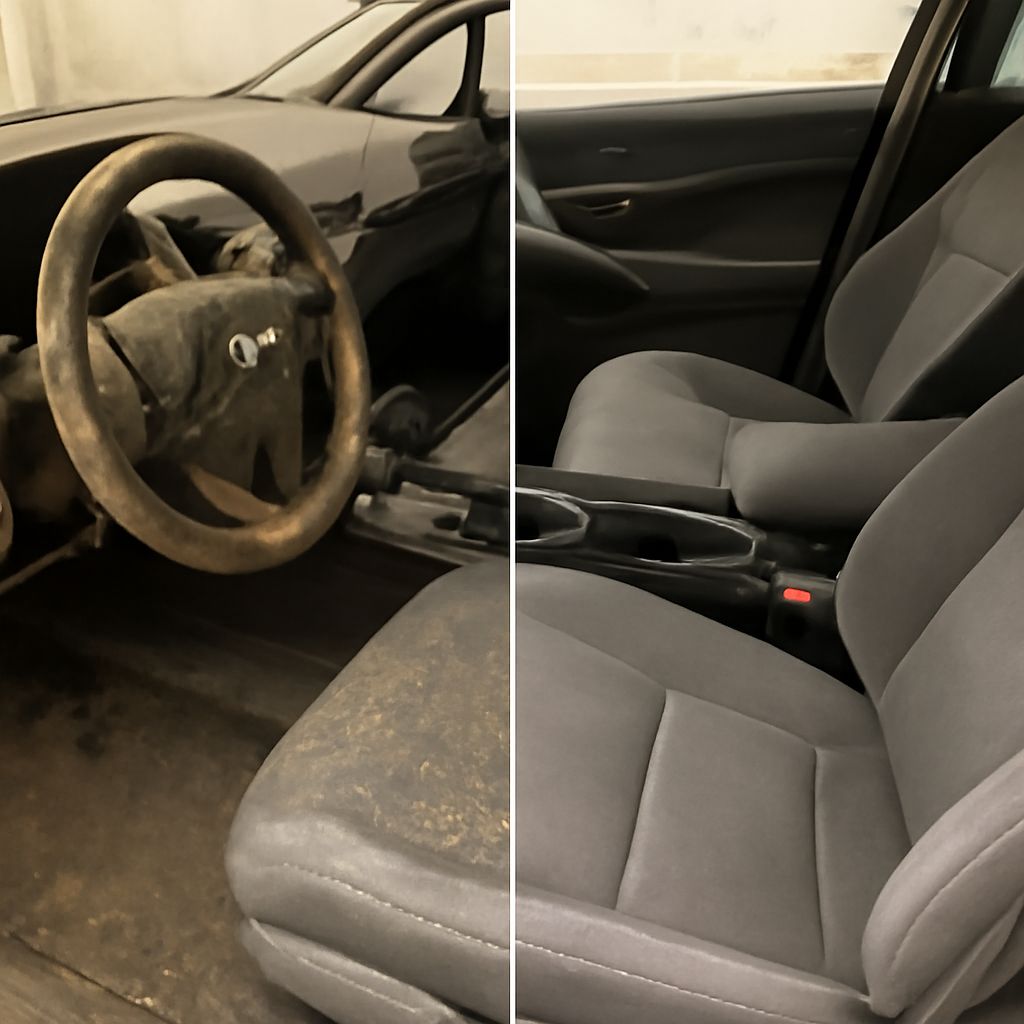
Finding mold in car interiors is more common than most drivers expect. A wet umbrella left overnight, a leaking window seal, or a spilled drink that never fully dried can create the conditions mold needs to take hold. Once it starts growing, it spreads fast across carpet fibers, seat foam, and door panels. Knowing how to clean mold out of car spaces before the problem expands saves money and protects air quality inside the vehicle.
What makes this more urgent is that mold spores affect breathing, especially for anyone with allergies or asthma. Whether the issue is visible mildew in car carpet or a musty smell with no obvious source, tackling it methodically matters. Understanding how to get mold out of car carpet requires the right approach, not just a surface wipe.
Why Mold Grows Inside a Car
Common Causes of Moisture Buildup
Mold needs moisture, warmth, and an organic surface to grow. Cars provide all three. Wet floor mats, open windows during rain, roof leaks, and blocked drain holes beneath the windshield are frequent culprits. Condensation from air conditioning systems can also drip into carpet areas if the evaporator drain is clogged.
Signs of Mildew in Car Interiors
A musty or earthy odor is often the first sign of mildew in car interiors. Visible dark spots on carpet, seats, or headliner confirm active growth. Discoloration along door seams or under seat cushions also indicates moisture has been sitting longer than expected.
Supplies Needed Before You Start
Gather white vinegar or a commercial mold cleaner rated for automotive use, a stiff-bristled brush, a wet-dry vacuum, microfiber cloths, and a spray bottle. A HEPA-filter mask prevents inhaling spores during cleaning. Work in an open space or with car doors and windows open for ventilation.
How to Get Mold Out of Car Carpet Step by Step
Dry the Area First
Mold removal on wet carpet is ineffective. Use a wet-dry vacuum to extract standing moisture, then set a portable fan or dehumidifier inside the car for several hours. If the carpet padding is saturated, it may need removal to dry properly.
Apply a Cleaning Solution
Spray undiluted white vinegar or an enzyme-based cleaner directly onto affected areas. Let it dwell for ten to fifteen minutes. Vinegar kills most mold species without leaving harmful residue on fabric. For stubborn colonies, a diluted hydrogen peroxide solution works on light-colored carpets. This is the core step in learning how to remove mold from car carpet effectively.
Scrub and Extract
Work the cleaning solution into fibers with a stiff brush using circular motions. Follow with a wet-dry vacuum pass to pull out loosened spores and moisture. Repeat if staining remains. Allow the carpet to air dry completely, ideally in direct sunlight, before closing the car.
Cleaning Other Interior Surfaces
Seats and Door Panels
Fabric seats get the same vinegar treatment as carpet. Leather or vinyl seats respond better to a diluted isopropyl alcohol solution wiped on with a microfiber cloth. Scrub door panel fabric with a soft brush and extract with a vacuum. Let all surfaces dry before reassembly.
Dashboard and Vents
Mold that has migrated into vent pathways requires more attention. Spray a mold-killing solution into vents with the blower running on high to distribute it through the system. Wipe visible dashboard surfaces with a disinfecting cloth, reaching into seams with a detailing brush.
Preventing Mold from Coming Back
After removal, keep moisture out by fixing any leaks promptly, using moisture-absorbing packets in the footwells, and vacuuming regularly. Park in covered areas when possible and crack windows slightly in humid weather to allow air circulation. Checking that air conditioning drain lines stay clear prevents internal moisture from accumulating again.
Pro tips recap: Always dry the area thoroughly before applying any cleaner. Use a wet-dry vacuum rather than rubbing moisture deeper into carpet. Vinegar is effective and safe for most surfaces. Sunlight is the best final dryer. Seal up any moisture entry points before considering the job complete.