Have you ever wondered whether a car battery is AC or DC? This question often arises when considering vehicle power systems and their components. Understanding the difference between AC (alternating current) and DC (direct current) is crucial, especially when dealing with car batteries and electrical systems. How heavy is a car battery, and why does it matter in the context of AC and DC power? Additionally, the role of DC to AC converters for cars often comes into play when assessing your vehicle’s power functionality.
In this article, explore the different types of car batteries, determine whether they are AC or DC, and learn about the significance of their weight. Additionally, the use of DC to AC converters and guidance on choosing the right converter for your needs will be discussed. This knowledge will empower you to make informed decisions regarding your vehicle’s power systems.
Understanding Car Battery Types
Car batteries are integral to a vehicle’s electrical system. The most common types include lead-acid, lithium-ion, and AGM (Absorbent Glass Mat) batteries. Each type has its specific applications and advantages. Lead-acid batteries are widely used due to their reliability and cost-effectiveness. In contrast, lithium-ion batteries are lighter and provide a higher energy density, making them suitable for modern electric vehicles.
AGM batteries, on the other hand, offer durability and are maintenance-free, making them ideal for cars with high electrical demands. Understanding the type of car battery you have is essential when considering its performance and compatibility with your vehicle’s power system.
Are Car Batteries AC or DC?
Car batteries are fundamentally DC. They store and provide direct current, which is essential for starting the engine and powering electrical components. Although vehicles utilize some AC electricity for certain systems, such as the alternator, the battery itself is strictly DC. This is because DC is more suitable for the continuous power supply needed by vehicle components.
Additionally, automotive systems are designed to operate on DC, ensuring efficiency and reliability. Thus, understanding that car batteries are DC is crucial for anyone looking to maintain or repair their vehicle’s electrical systems.
How Heavy is a Car Battery?
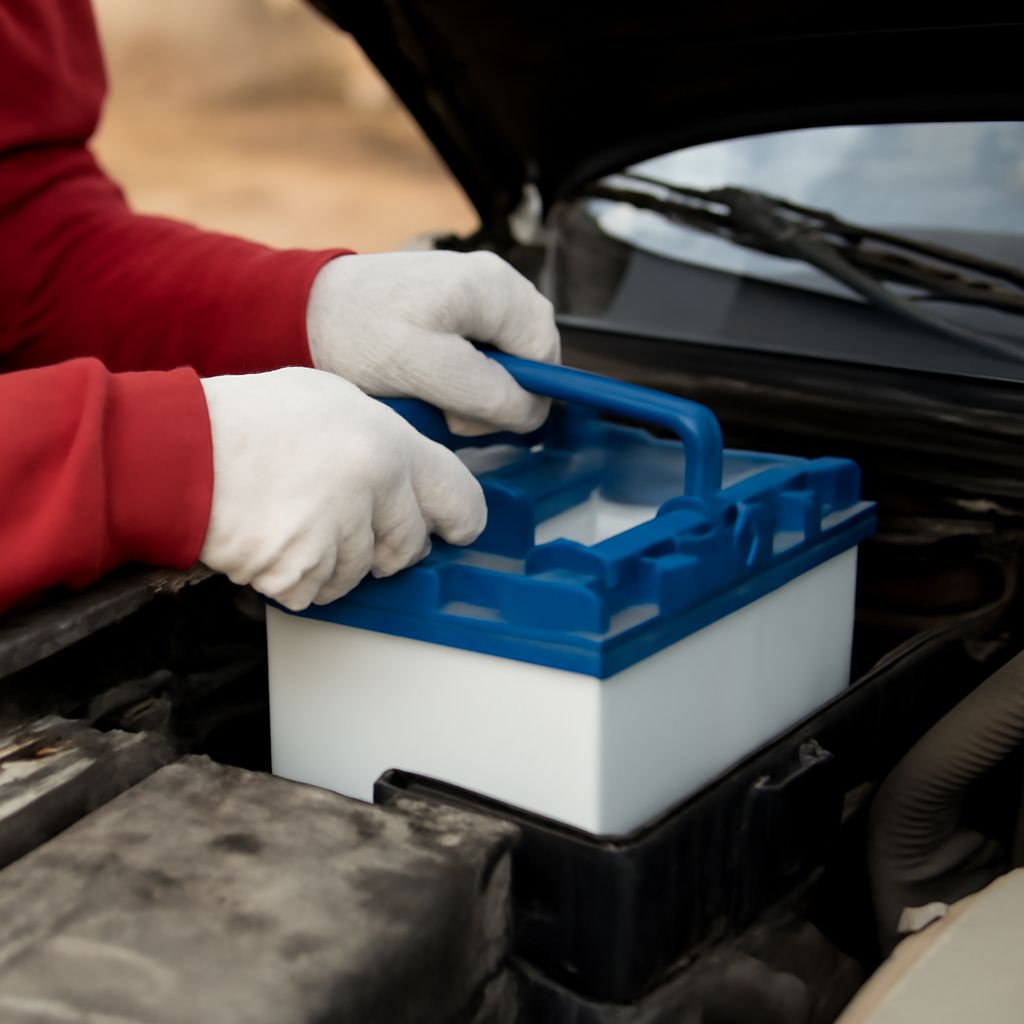
The weight of a car battery can vary significantly depending on its type and capacity. How heavy is a car battery? Generally, traditional lead-acid car batteries weigh between 30 to 50 pounds, while lithium-ion variants are considerably lighter, ranging from 10 to 30 pounds. The weight of the battery affects vehicle dynamics and fuel efficiency, especially in smaller cars and electric vehicles.
When selecting a battery, considering its weight is important, particularly if the vehicle demands a balance of performance and efficiency. Lighter batteries may also simplify handling during installation or replacement.
Using DC to AC Converters in Cars
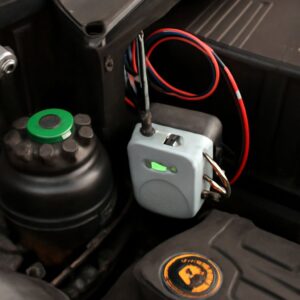
DC to AC converters are essential for converting the direct current from a car battery into alternating current, which is necessary for operating AC-powered devices. These converters are particularly useful for travelers who need to use electronic devices, such as laptops or small appliances, while on the road.
By converting the car’s DC power into AC, these devices become more versatile and functional, offering convenience and utility. Understanding the role of DC to AC converters can help in maximizing the utility of your car’s electrical system.
Choosing the Right Converter for Your Needs
When selecting a converter, it’s important to consider the power requirements of your devices. Determine the wattage needed and ensure the converter can handle it efficiently. Additionally, selecting a converter with safety features, such as short circuit and overload protection, is crucial to prevent damage to both the vehicle and the connected devices.
Other considerations include the converter’s size and ease of installation. By evaluating these factors, you can choose a converter that best suits your needs, ensuring seamless operation of your devices while driving.
Next Steps: Regularly check your car battery’s health and replace it when necessary to maintain optimal performance. Ensure your DC to AC converter is suitable for your power needs and installed correctly. This proactive approach will enhance your vehicle’s reliability and functionality.