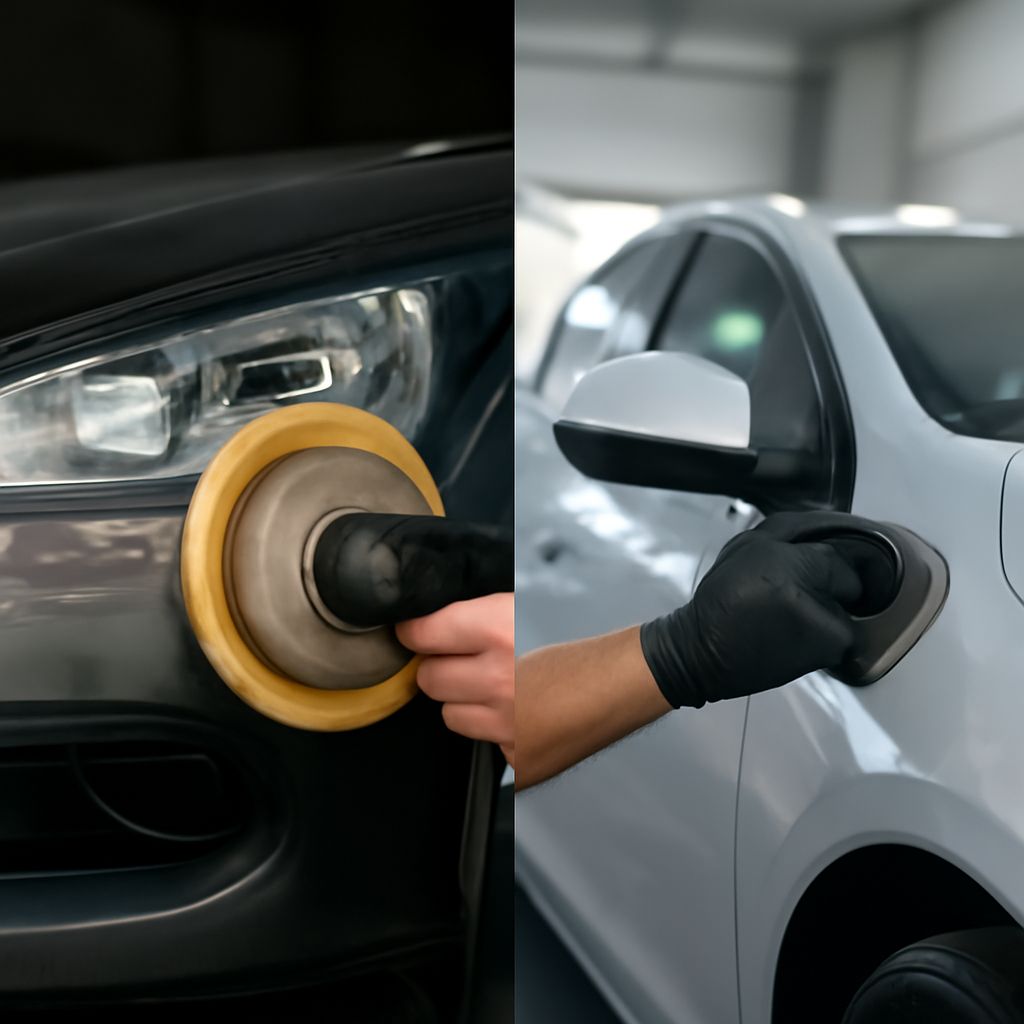
Have you ever wondered how to restore your car’s shine and remove those pesky imperfections? Buffing car surfaces not only enhances the appearance but also prolongs the life of the paint. Knowing how to buff a car like a professional can make all the difference, whether preparing for a show or simply enjoying a pristine vehicle. In this guide, learn how to buff a car with a buffer, understand the essential tools, and explore expert tips to achieve a coveted showroom finish.
Understanding the Basics of Buffing Car Surfaces
Before diving into the process, it’s vital to understand what buffing entails. Buffing is a technique used to remove a thin layer of paint to eliminate surface imperfections. This process can significantly enhance the gloss of the vehicle’s finish. A buffer tool, combined with the right pads and polish, can transform dull paintwork into a glossy masterpiece.
Buffing can be performed using two main types of buffers: rotary and dual-action. Each has its advantages and is suitable for different levels of expertise. A rotary buffer is typically used by professionals for its powerful capabilities, while a dual-action buffer is more user-friendly for beginners.
What You Need to Buff a Car Effectively
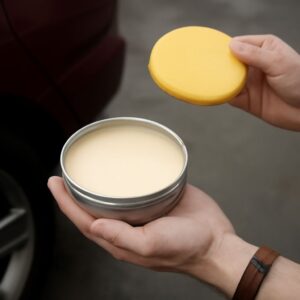
To begin buffing, gather the essential tools and materials. First, choose a suitable buffer. A dual-action buffer is recommended for those learning how to polish a car, as it provides more control and reduces the risk of damaging the paint. Next, select the appropriate buffing pads. Foam pads are commonly used due to their effectiveness in applying polish evenly.
Polishing compounds are also critical in the buffing process. These come in various abrasiveness levels, from heavy-cut compounds to fine polishes. Selecting the right compound depends on the condition of the paintwork. Additionally, having a microfiber cloth on hand is essential for wiping away residue and achieving a flawless finish.
Step-by-Step Guide on How to Buff a Car with a Buffer
To commence the buffing process, park the car in a shaded area to avoid direct sunlight. Begin by washing and drying the vehicle to remove all dirt and debris. This step ensures that the buffing pads do not pick up any contaminants, which could scratch the paint.
Once the vehicle is clean, apply a small amount of polish to the buffing pad. Place the buffer on the surface of the car without turning it on, to spread the polish evenly. Turn on the buffer at a low speed, working in small sections using overlapping passes. Gradually increase the speed to work the polish into the paint, keeping the pad flat against the surface.
After buffing a section, use a microfiber cloth to wipe off any excess polish. Repeat this process, section by section, until the entire vehicle has been covered. Regularly inspect the paint for any missed spots or imperfections that may need additional attention.
Expert Tips on How to Polish a Car with a Buffer
When learning how to polish a car with a buffer, keep these expert tips in mind. Firstly, always start with the least abrasive polish to minimize unnecessary removal of the paint layer. It’s easier to move to a more abrasive compound if needed than to deal with over-buffed paint.
Maintaining consistent pressure and keeping the buffer moving is crucial to prevent burning the paint. Also, watch out for edges and corners, which are more susceptible to excessive polish removal. Finally, always finish with a fine polish and a soft pad to achieve a high-gloss shine, ensuring the vehicle looks its best.
Next steps: Regular maintenance is key to preserving your car’s finish. Avoid abrasive cleaning methods, and periodically apply a protective wax or sealant to keep the paintwork looking pristine. As you practice how to buff a car, your technique and confidence will improve, resulting in a professional-level finish.