How crucial is mileage when purchasing a used car? Many buyers find themselves pondering this question as they navigate the complex world of used car buying. Understanding what constitutes good mileage for a used car can be the key to making a smart purchase. While some may focus on the aesthetic condition or brand reputation, mileage often plays a pivotal role in determining the overall longevity and reliability of a vehicle. So, what is the best mileage to buy a used car to ensure a worthwhile investment?
In this guide, we’ll delve into the concept of good mileage and explore the factors that influence this crucial aspect of used car buying. By understanding why mileage matters and learning expert tips, you’ll be better equipped to make an informed decision.
Understanding Good Mileage for Used Cars
Good mileage for a used car typically depends on the age of the vehicle. Generally, an average car accumulates about 12,000 to 15,000 miles per year. If a car is five years old, good mileage might be around 60,000 to 75,000 miles. However, what is considered the best mileage to buy a used car can vary based on several factors, including maintenance history and driving conditions.
Drivers should not merely focus on low mileage, as some high-mileage cars may have been well-maintained, making them a reliable purchase. Conversely, some low-mileage vehicles might have been idle for long periods, which can negatively impact their mechanical condition.
Factors that Influence Good Used Car Mileage
Several factors can influence what is considered good mileage for a used car. The car’s maintenance history is crucial. Regular servicing and repairs can mean a high-mileage car remains in excellent condition. Additionally, the type of driving—highway versus city—can affect wear and tear, with highway driving generally being less strenuous.
Another important aspect is the car’s make and model. Some brands are known for longevity and can handle higher mileage without significant issues. Understanding these nuances can help buyers adjust their expectations of what constitutes good mileage based on the vehicle’s context.
Why Mileage Matters When Buying a Used Car
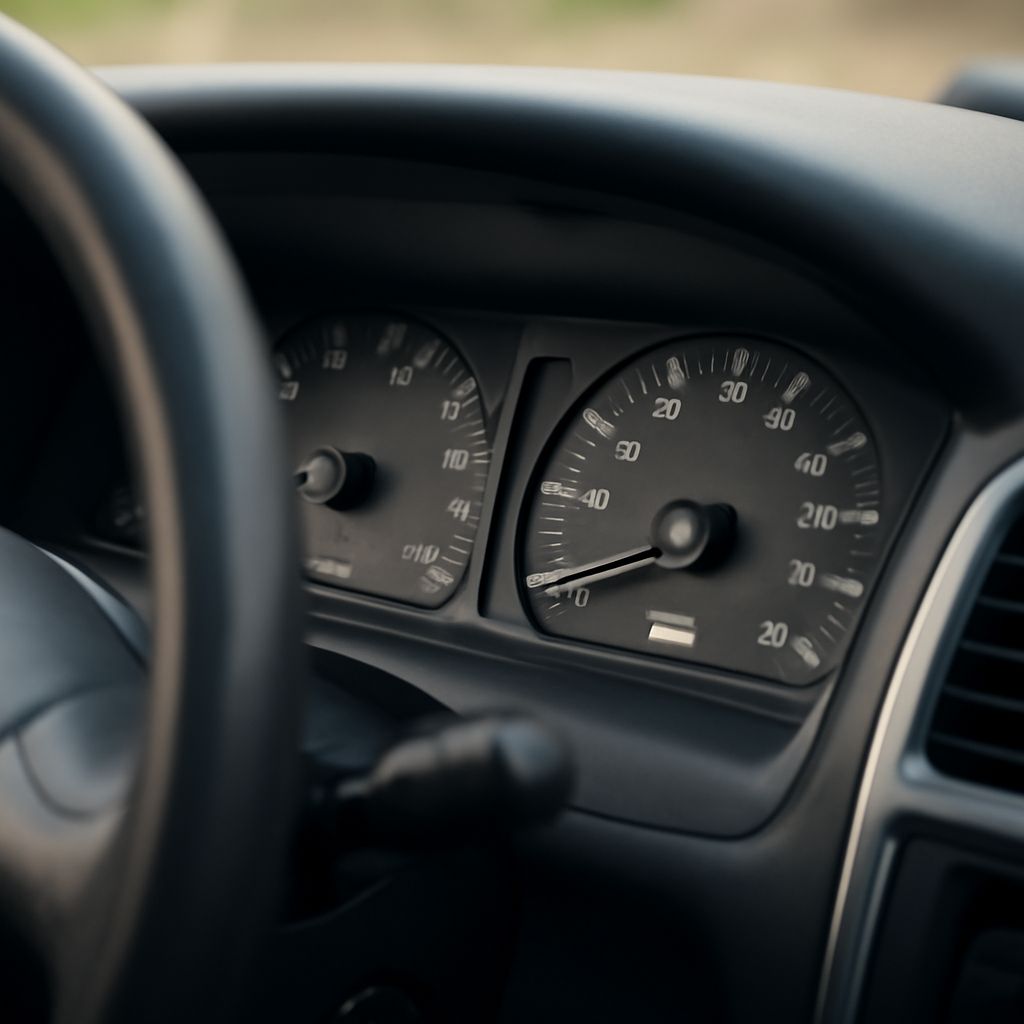
Mileage is a fundamental indicator of a car’s remaining lifespan and potential resale value. A car with lower mileage typically has less wear and tear, which can translate into fewer repair costs and a longer useful life. However, the best mileage to buy a used car isn’t the only consideration; one should also weigh the vehicle’s age, condition, and service history.
Moreover, understanding a car’s mileage helps in assessing its expected depreciation. Cars depreciate the most in their early years, and a high-mileage vehicle might depreciate at a faster rate. For those who plan to resell the car later, choosing a vehicle with optimal mileage can be a financially savvy decision.
Tips for Evaluating the Best Mileage to Buy a Used Car
When evaluating the best mileage to buy a used car, consider looking at vehicles with comprehensive service records. A complete history can provide insights into how well the car was maintained regardless of the mileage it has accrued. Always conduct a thorough inspection and consider professional evaluations to ensure the car’s condition aligns with its mileage.
It’s also beneficial to test drive the vehicle. This hands-on experience can reveal how the car’s mileage translates into driving performance, helping buyers identify any potential issues. Finally, use online tools and resources to compare average mileage ranges for specific models, aiding in making an informed decision.
Key takeaways: Balancing a used car’s mileage with its age, maintenance history, and overall condition is crucial. Mileage informs a vehicle’s potential longevity and resale value, making it a key factor in used car purchasing decisions. Consider expert advice and thorough evaluations to find a car with the ideal mileage for your needs.