Is your car refusing to start and all you hear is a clicking sound? This issue can be particularly frustrating and may leave you wondering what could be wrong. There are several potential causes for this problem, ranging from minor to more serious concerns, and understanding them can help you determine the right troubleshooting steps. If your car clicks but won’t start, it’s essential to diagnose the issue effectively to get back on the road.
Understanding the Clicking Sound When Your Car Won’t Start
The clicking sound often indicates that your car’s starter is not getting enough power to turn over the engine. This could be due to a variety of issues, such as a weak battery, faulty starter motor, or problems with the alternator. When the car clicks but won’t start, it’s typically a sign of an electrical problem that needs attention.
Common Causes for a Car Clicking But Won’t Start
The most common cause for a car making a clicking noise and failing to start is a dead or weak battery. Batteries can lose charge over time, especially in cold weather. Another potential issue is a malfunctioning starter motor, which may be unable to engage the engine properly. Additionally, a failing alternator might not charge the battery sufficiently, leading to a low power condition. Lastly, a faulty ignition switch can also be responsible when the car doesn’t start just clicks.
Step-by-Step Guide to Troubleshoot a Car That Clicks But Won’t Start
Check the Battery
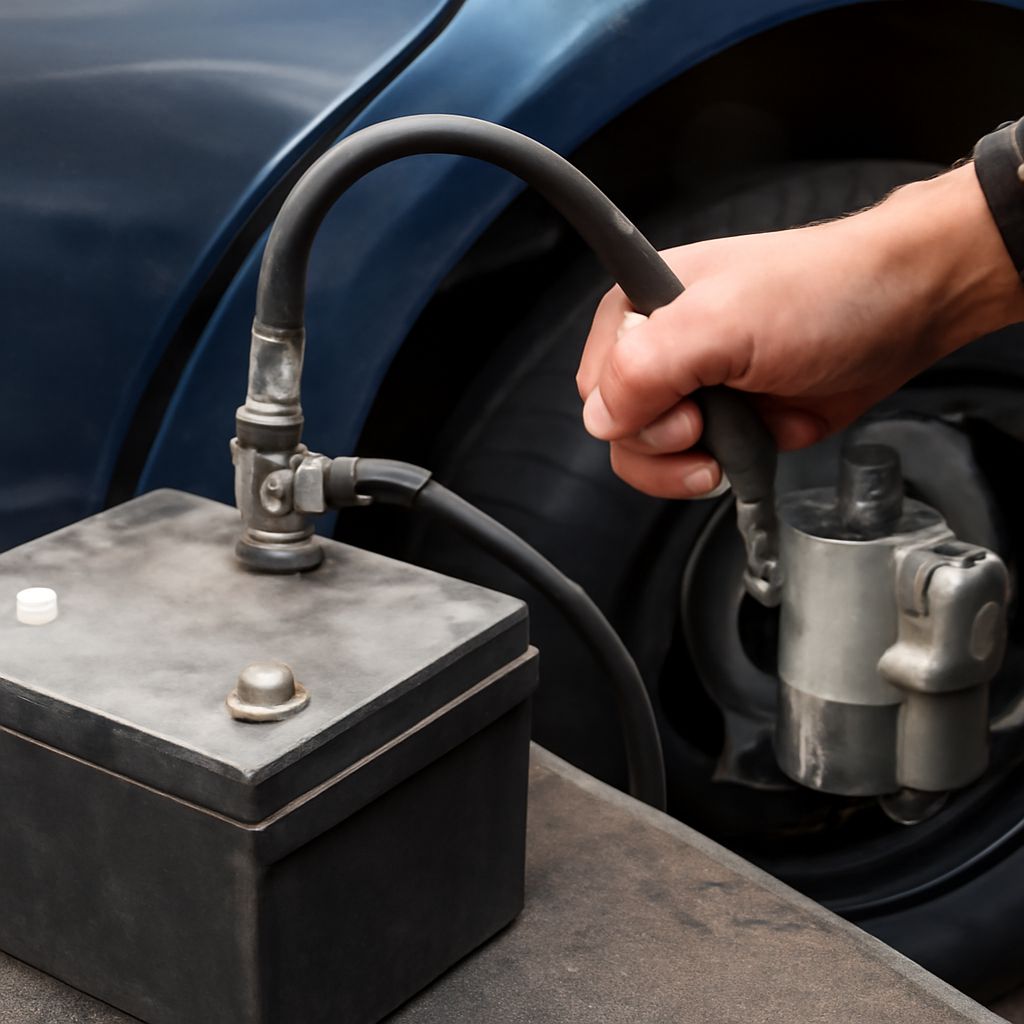
Start by inspecting the battery. Ensure that the connections are tight and clean. Corrosion around the terminals can impede the flow of electricity. If the battery is dead, try jump-starting the car. If the car starts after a jump, the battery may need replacement or further testing to determine its health.
Inspect the Starter Motor
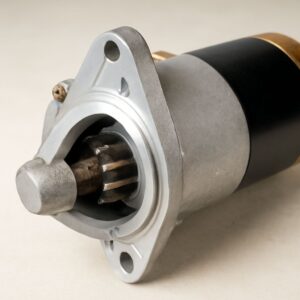
If the battery is in good condition, the next step is to examine the starter motor. Listen for a clicking sound when you attempt to start the car. A single click typically indicates a faulty starter solenoid or motor. Sometimes, tapping the starter lightly while someone turns the key can temporarily remedy the issue, but the starter may need replacement for a long-term fix.
Examine the Alternator
The alternator’s role is to charge the battery while the engine is running. If it is not functioning correctly, the battery may not receive adequate charge. Test the alternator by measuring the voltage output with a multimeter, ensuring it falls within the manufacturer’s specifications.
Look at the Ignition Switch
A less common but possible cause is a faulty ignition switch. If the switch fails, it may not send the necessary signal to the starter motor. Testing the ignition switch typically requires a multimeter and knowledge of the car’s wiring system, so consulting a professional might be necessary.
When to Seek Professional Help for a Clicking Car
If, after following these troubleshooting steps, your car still clicks but won’t start, it might be time to seek professional assistance. An automotive technician can perform comprehensive diagnostics to identify less obvious issues such as electrical faults or more complex mechanical problems. Additionally, if you’re uncomfortable performing any of the steps yourself, a professional service will ensure the problem is addressed safely and efficiently.
Key takeaways: When your car won’t start and just clicks, it’s usually a sign of an electrical issue, often related to the battery, starter motor, or alternator. Follow a systematic troubleshooting approach to identify the problem, and don’t hesitate to seek professional help if needed.