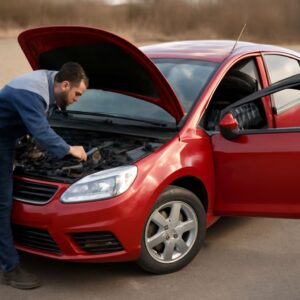
Have you ever wondered why your car stalls at idle and how it might affect your safety? This common issue can lead to dangerous situations, creating headaches for drivers and potentially incurring costly repairs. Understanding the reasons behind your car stalling while idling, and knowing the solutions, are crucial for maintaining safe and reliable transportation. Whether your car runs fine but stalls at idle or your car stalls when idle under specific conditions, the problem often lies in overlooked factors such as fuel system issues, electrical problems, or engine malfunctions.
In this article, we explore the root causes of car stalling at idle, how to diagnose the problem, preventive measures you can take, and the legal implications of ignoring such issues. Equip yourself with essential knowledge to ensure that your vehicle remains safe, reliable, and compliant with safety standards.
Why Your Car Stalls at Idle
Common Causes When a car stalls at idle, the issue often stems from a variety of underlying problems. One common cause is a malfunctioning fuel system. Clogged fuel injectors or a failing fuel pump might prevent the engine from receiving the necessary fuel. Another frequent culprit is a faulty ignition system — worn out spark plugs or failing ignition coils can disrupt the combustion process, leading to stalling. Additionally, issues within the engine’s air intake system, such as blocked air filters, can cause a car to stall when idle.
Impact on Safety
Car stalling while idling poses significant safety concerns. If the car stalls unexpectedly in traffic, it can lead to hazardous situations, increasing the risk of collisions. Furthermore, a car that stalls at idle might indicate broader mechanical issues that could compromise the safety of the vehicle when driving at higher speeds. Regular checks and maintenance are crucial to prevent these dangerous incidents.
Diagnosing Car Stalling Issues
Signs to Watch For
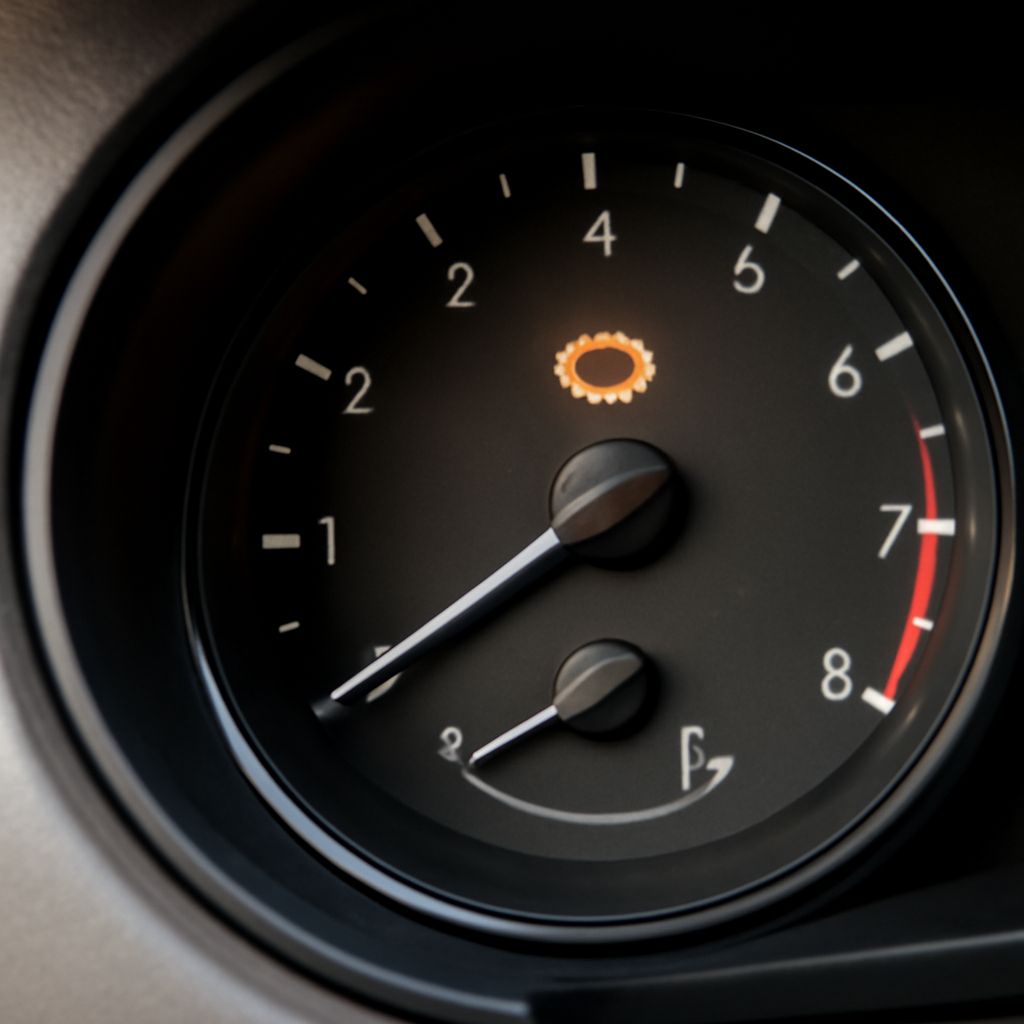
Identifying signs that indicate your car might stall at idle can help in early diagnosis. Listen for unusual noises from the engine, such as sputtering or knocking. Pay attention to warning lights on the dashboard, particularly those related to the engine. Uneven or rough idling can also serve as a precursor to stalling.
Tools You Might Need
Diagnosing why your car stalls at idle may require specific tools. A diagnostic scanner can be beneficial to read error codes from the car’s onboard computer, providing insights into the issue. Basic tools like a multimeter can help test electrical components, while a fuel pressure gauge can assess the fuel system. However, if the issue persists, professional assistance might be necessary.
Preventive Measures and Solutions
Regular Maintenance Tips
Preventive maintenance is key to avoiding a car that stalls when idle. Regularly replacing spark plugs and air filters keeps the engine running smoothly. Ensuring that the fuel system is clean, and using quality fuel can prevent clogging and fuel pump failures. Routine inspections by a qualified mechanic can identify and rectify potential issues before they lead to stalling.
When to Consult a Professional
If despite your efforts, the car still stalls at idle, consulting a professional mechanic is advisable. Professionals can perform comprehensive diagnostics and have access to advanced tools that might not be available for at-home troubleshooting. Addressing the problem early with expert help can prevent costly repairs down the line.
Legal Implications of Car Stalling
Safety Regulations
Ensuring that your car does not stall while idling is not just a matter of safety, but also compliance with legal standards. Many jurisdictions impose specific safety regulations that require vehicles to be in proper working condition. Non-compliance can result in fines or penalties, especially if the vehicle contributes to accidents.
Consequences of Negligence
Neglecting a car that stalls at idle can lead to legal consequences. If a stalled vehicle causes an accident, liability may fall on the vehicle owner due to negligence in maintaining the car. Therefore, addressing stalling issues promptly is both a legal obligation and a safety imperative.
Keeping Your Car Safe and Reliable
Best Practices for Car Care
Adopting best practices for maintaining your vehicle can prevent stalling and ensure reliability. Regular servicing, adhering to maintenance schedules, and using quality parts can extend the lifespan of the car and enhance performance.
Emergency Preparedness
Being prepared for emergencies if your car stalls at idle is essential. Carrying a roadside emergency kit, having a reliable roadside assistance service, and knowing basic troubleshooting can make a significant difference in critical situations.
Bottom line: Understanding why a car stalls at idle and taking steps to resolve the issue is vital for safe driving. Regular maintenance and adhering to legal standards are crucial in preventing such situations, ensuring your car remains reliable and safe on the road.