Are you considering purchasing a used car but unsure where to start? A buying used car checklist is essential to ensure you make informed decisions and avoid common pitfalls. This comprehensive checklist will guide you through each step, from examining the vehicle’s history to understanding the total cost involved. By paying close attention to each detail, you can confidently navigate the buying process and secure a smart buy.
When approaching a used car purchase, what crucial elements should be prioritized in your checklist for used car purchases? By understanding the importance of each checklist item, you can avoid common mistakes and ensure the car meets your needs and expectations.
Introduction to Buying a Used Car
Why a Checklist is Important
Utilizing a buying used car checklist is crucial to ensuring no critical aspect is overlooked. The checklist serves as a roadmap, guiding potential buyers through the entire process, from initial inspection to final purchase. It helps maintain focus on essential factors such as vehicle condition, paperwork, and cost considerations.
Common Pitfalls to Avoid
Among the most common mistakes when buying a used car are neglecting to check the vehicle’s history and failing to conduct a thorough inspection. Buyers often rush through the process, leading to oversight of potential issues that could result in costly repairs. Understanding these pitfalls enables a more informed and strategic approach to purchasing.
Essential Checklist for Buying Used Car
Check Vehicle History
Before proceeding with any purchase, it’s imperative to review the car’s history report. This document provides insights into past ownership, accident history, and any recorded maintenance. These factors are vital in determining the vehicle’s reliability and longevity.
Inspect the Exterior and Interior
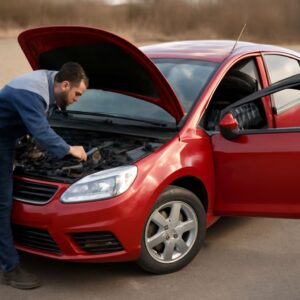
Conduct a detailed inspection of both the exterior and interior of the car. Look for signs of wear, rust, or damage that could indicate underlying issues. Inside, check the upholstery, dashboard functions, and overall cleanliness to ensure everything is in satisfactory condition.
Test Drive the Car
A test drive is an indispensable part of the buying used car checklist. It allows the buyer to assess the car’s performance, including braking, steering, and suspension. Listen for unusual noises and note how the car handles various road conditions.
Examine the Car’s Paperwork
Verify all necessary paperwork, such as the title, registration, and maintenance records. These documents confirm ownership details and the car’s service history, ensuring there are no legal encumbrances or discrepancies.
Financial Considerations
Setting a Budget
Establishing a budget is a crucial step when buying a used car. Consider not just the purchase price, but also the ongoing costs such as insurance, taxes, and maintenance. A well-defined budget helps in narrowing down choices and avoiding financial strain.
Understanding the Total Cost
Beyond the initial purchase price, consider the total cost of ownership. This includes fuel efficiency, expected maintenance expenses, and potential repair costs. A comprehensive financial overview prevents unexpected expenses down the line.
Negotiating the Deal
Tips for Effective Negotiation
Effective negotiation is key to securing a favorable deal. Conduct market research to understand the car’s fair value, and use this information as leverage. Remain patient and prepared to walk away if the terms do not meet your expectations.
Finalizing the Purchase
Once an agreement is reached, ensure all terms are clearly documented. Review the contract thoroughly before signing, and make sure all verbal agreements are included. This step finalizes the transaction, safeguarding against future disputes.
Post-Purchase Tips
Ensuring Proper Documentation
After purchasing, ensure all documents are correctly filed and stored. This includes transferring the title and updating the registration. Proper documentation is vital for legal compliance and future resale.
Scheduling Regular Maintenance
Regular maintenance is essential to prolong the car’s life and maintain its performance. Establish a routine schedule for oil changes, tire rotations, and other necessary services. Consistent upkeep ensures reliability and helps retain the car’s value over time.