Ball Joint Car Guide: CV Joints, Universal Joints, and When to Replace
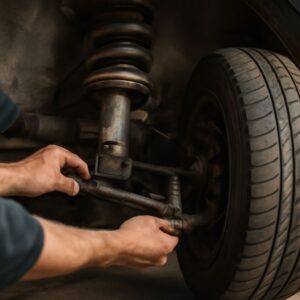
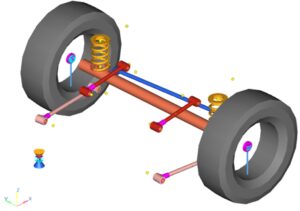
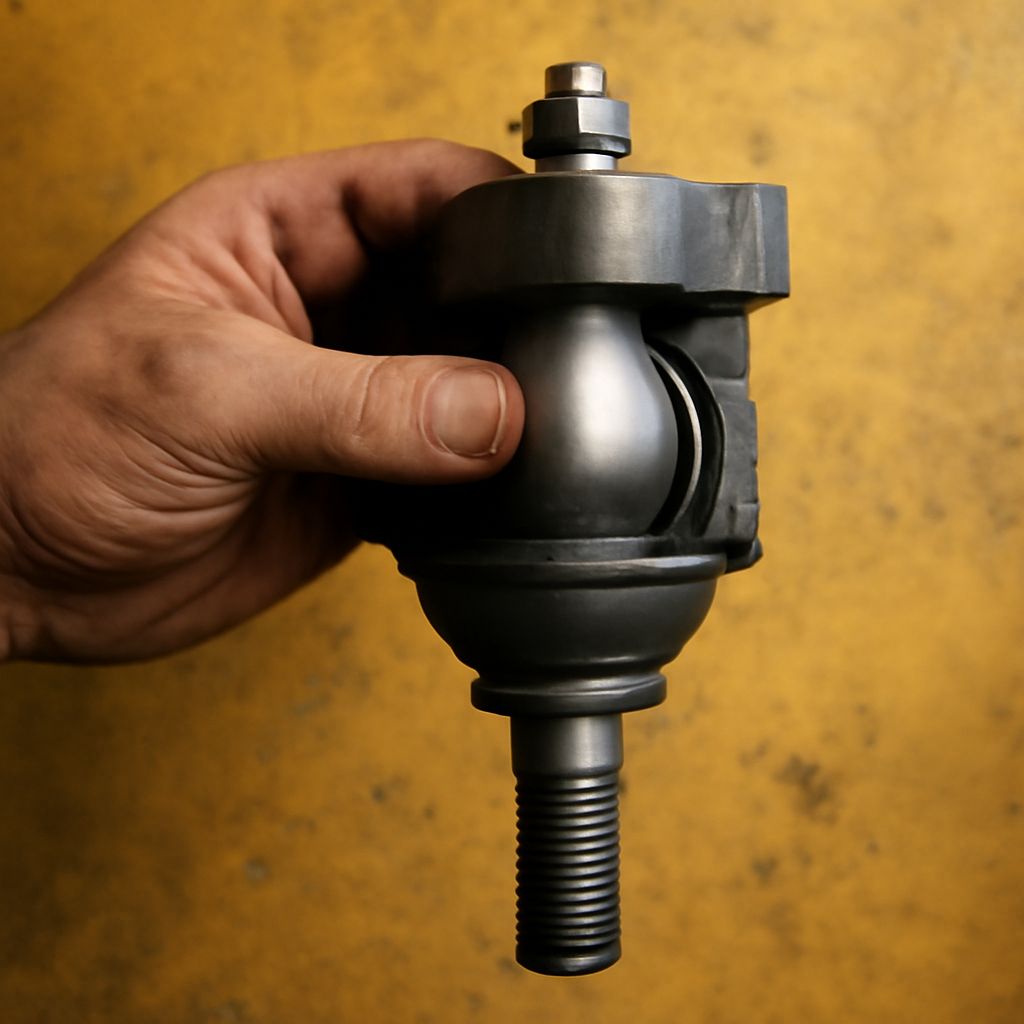
A ball joint car component is one of the most load-bearing parts of the front suspension. It connects the control arm to the steering knuckle, allowing the wheel to pivot for steering while moving up and down with road irregularities. When ball joints wear, handling becomes imprecise and the vehicle may produce clunking or creaking sounds over bumps. The question of whether can you drive a car with a bad ball joint has a short answer: not safely, and not for long.
Confusion between ball joints and CV joint car components is common because both are part of the driveline and suspension systems. A car cv joint transfers power to the wheels through articulated angles; a ball joint manages vertical and lateral movement in the suspension. A universal joint car application handles drivetrain torque transmission. Each has distinct symptoms, failure modes, and replacement requirements.
What a Ball Joint Car Component Does
How Ball Joints Differ from CV Joints
The ball joint car component works like a pivot point, allowing the wheel hub to rotate for steering and move vertically with suspension travel. It carries the full weight of the front of the vehicle in many designs. CV joint car components, by contrast, are part of the axle shaft and transmit engine torque to the driven wheels. The two systems operate in different planes and serve fundamentally different functions, though both must flex to accommodate suspension movement.
Signs of Ball Joint Wear
Worn ball joints produce specific symptoms. Clunking sounds from the front suspension over bumps or during low-speed turns are common. Uneven tire wear, pulling to one side, and steering wheel vibration also appear as joints deteriorate. A vehicle pull that changes direction when braking suggests ball joint play rather than alignment or tire issues alone.
CV Joint Car Systems: How They Work
Car CV Joint Failure Symptoms
A car cv joint typically signals its failure with a clicking or popping sound during tight turns. This noise comes from the outer CV joint, which takes the most severe angles during cornering. A torn CV boot allows grease to escape and contaminants to enter, accelerating joint wear. Replacing a torn boot early costs significantly less than replacing the entire axle shaft after the joint itself fails.
Clicking Noise and Its Meaning
A clicking sound from the front of the vehicle during a tight turn almost always points to the outer CV joint car component. The clicking is caused by the joint’s balls moving through the worn races under load. The sound worsens as the vehicle turns tighter or accelerates through the turn. Straight-line driving at speed may produce no symptoms at all until the joint is severely worn.
Universal Joint Car Applications
Universal joint car applications appear primarily in rear-wheel-drive and four-wheel-drive vehicles with solid axles or traditional driveshafts. Unlike CV joints, which maintain constant velocity through angular changes, a universal joint car arrangement produces slight speed fluctuations as the driveshaft changes angle. At moderate angles, this is imperceptible. At steep angles, it creates vibration. Modern vehicles typically use double-cardan or CV-style joints at steep driveshaft angles to smooth out this effect.
Can You Drive a Car with a Bad Ball Joint?
Can you drive a car with a bad ball joint without immediate consequences? For short distances at low speed, possibly. But a ball joint that has progressed beyond early wear can fail completely without warning. When a ball joint separates, the wheel can fold under the vehicle, causing an immediate loss of steering control. This type of failure at highway speed is catastrophic. The risk is not theoretical; ball joint failures cause accidents each year.
A ball joint car inspection by a technician determines whether the joint is within wear specification. Most joints have a defined play tolerance, and once exceeded, replacement is the professional recommendation regardless of how the vehicle currently feels.
Replacement Costs and Next Steps
Ball joint replacement costs range from $150 to $400 per joint at an independent shop, depending on the vehicle design. Some vehicles use pressed-in joints that require a press tool; others use bolt-in designs that simplify replacement. CV axle shaft replacement typically runs $200 to $500. Universal joint car replacement for driveshaft joints runs $80 to $250 depending on access and the number of joints requiring service.
Bottom line: Ball joint car wear is a safety issue, not a maintenance convenience. A car cv joint makes noise long before it fails completely, giving time to plan a repair. Schedule an inspection at the first sign of clunking, clicking, or handling changes.