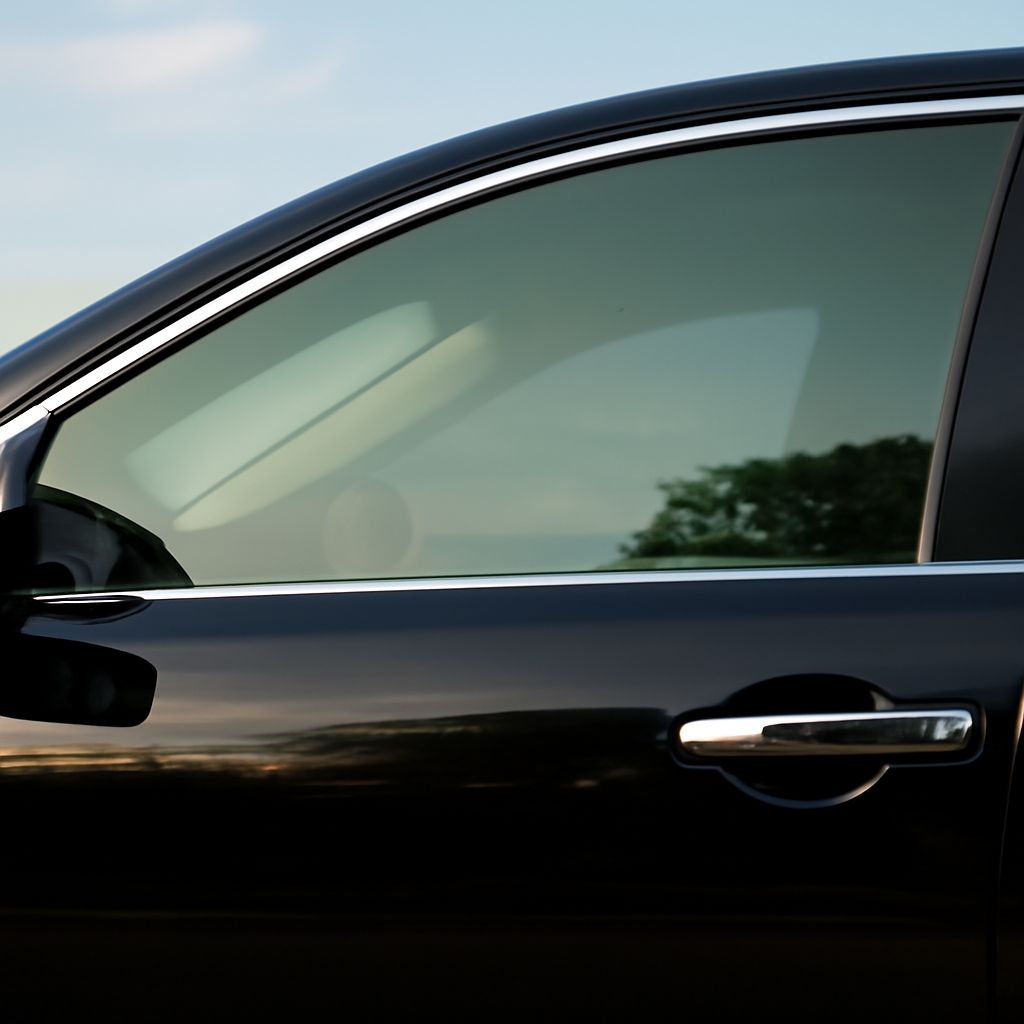
Car door parts are more numerous and interconnected than most drivers realize. Car doors do far more than open and close. They house window regulators, locking mechanisms, wiring harnesses, side impact beams, and speaker assemblies. Understanding the main components matters when diagnosing a rattle, a broken window, or a door that will not latch properly. Car door replacement becomes necessary after collision damage, severe rust, or when individual components fail beyond cost-effective repair. Knowing whether to pursue car doors for sale as complete assemblies or to replace specific parts saves time and money. Used car doors from salvage yards are a practical option for many repairs.
Main Components Found in Car Doors
Each door on a vehicle is an assembly of mechanical, electrical, and structural parts. The outer door shell provides the visible surface and takes the brunt of external impacts. Behind it sits the inner door panel, which covers the mechanical components. The window regulator, either manual or electric, moves the glass up and down. An electric motor drives power regulators, and when it fails, the window stops responding. Door hinges allow the door to pivot and carry the full weight of the assembly. A worn hinge causes the door to sag and not close flush. The latch mechanism, striker plate, and door lock actuator work together to keep the door secured. Side intrusion beams run horizontally inside the door to absorb side-impact collision energy. Weatherstripping seals the door against water and wind noise.
When Is Car Door Replacement Necessary?
Minor dents and dings typically do not require full car door replacement. Body shops can often straighten mild damage through paintless dent repair or conventional bodywork. Replacement makes sense when the door shell has been creased, the structural beam is compromised, or rust has eaten through the metal. Doors that no longer align with the body frame because of frame damage usually need replacement rather than repair. Electrical failures affecting window motors or lock actuators are typically addressed by replacing just the failed component rather than the entire door.
Where to Find Car Doors for Sale
New OEM car doors for sale are available through franchised dealerships and manufacturer parts networks. These match the original factory specification exactly but carry a high price. Aftermarket doors, sold through auto parts retailers and online marketplaces, cost less but may require fitting adjustments. Salvage yards are the most economical source for replacement doors. Certified dismantlers inspect vehicles before removing parts, so quality varies less than at informal yards. Online auto recycler networks allow buyers to search by make, model, year, and color, which simplifies finding a close paint match.
Buying Used Car Doors: What to Check
Used car doors from salvage sources need careful inspection before purchase. The outer shell should be free of significant rust, especially along the bottom edge where water collects. Open and close the door to check hinge condition. Inspect the latch and lock mechanism for smooth operation. Examine the wiring harness for cut or corroded connectors if the door has power windows, locks, or mirrors. Confirm the paint code matches the vehicle’s existing finish or factor in the cost of repainting. Getting the door’s VIN or source vehicle information helps verify it has not been involved in a serious impact.
Professional vs. DIY Door Repair
Replacing individual components like a window regulator or door handle is within reach for someone comfortable with basic tools and access to a repair manual. Full door swaps require aligning the new door on the hinges, adjusting the striker plate, and routing any wiring harnesses. Misalignment causes wind noise and water leaks. A body shop technician has the alignment tools and experience to complete the job correctly. Labor costs for a door swap typically run two to four hours at shop rates. For structural or collision-related work, professional installation ensures the door meets safety standards for occupant protection.
Key takeaways: Car door parts range from simple latches to complex electrical assemblies, and identifying the failed component before purchasing avoids unnecessary expense. Used car doors offer real cost savings when sourced carefully from reputable dismantlers. Professional installation is the right call for full door replacements or any repair that affects structural integrity.