Car battery life is a topic most drivers only think about when a vehicle refuses to start. How long do car batteries usually last depends on several factors, including driving habits, climate, and the type of battery installed. Most batteries perform reliably for three to five years, but some fail earlier and others push past seven years with proper care. Knowing how often should you replace your car battery comes down to regular testing rather than waiting for a dead battery to force the issue. This guide explains what shapes battery longevity and how to make smart replacement decisions based on how often change car battery is actually needed for your situation. Understanding how often should a car battery be replaced prevents roadside breakdowns and protects the electrical system.
Average Car Battery Life Expectancy
Factors That Shorten Battery Life Several conditions drain a battery faster than normal. Leaving lights or accessories on while the engine is off causes deep discharge, which damages the internal plates. Infrequent driving prevents the alternator from fully recharging the battery after each start. Short trips around town are harder on a battery than highway driving because the engine barely runs long enough to replenish the charge. Corroded terminals increase resistance and reduce charging efficiency. Vibration from rough roads can loosen internal components over time.
Climate and Driving Habits Extreme heat speeds up the chemical reactions inside a battery, which wears down the internal structure faster. Hot climates typically shorten car battery life to three to four years. Cold weather reduces the battery’s cranking power, making it work harder to start the engine in winter. Vehicles parked outdoors year-round face both stressors. Frequent short trips combined with extreme temperatures put more strain on any battery than moderate climate and regular highway use.
Signs Your Battery Needs Replacing
Slow engine cranking during startup is one of the first signs of a weakening battery. The electrical load of the starter motor draws heavily on the battery, and a depleted battery cannot deliver the required current quickly. Dim headlights at idle, frequent need for jump-starts, and warning lights on the dashboard all point to battery trouble. A swollen battery case is a physical sign of heat damage and warrants immediate replacement. Batteries older than four years should be tested at least once per year regardless of how they appear to perform.
How Often Should You Replace Your Car Battery?
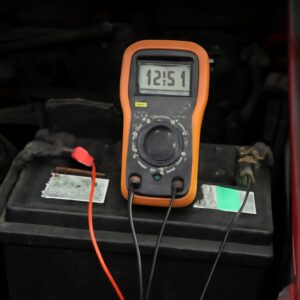
How often should you replace your car battery is not a fixed schedule for every vehicle. The general industry guidance is to replace the battery every three to five years. In hotter climates, three years is a more cautious benchmark. In moderate climates with consistent driving habits, a battery may last five to six years without trouble. Testing the battery twice a year, typically in spring and fall, gives a clear picture of remaining capacity. Load testing at an auto parts store or shop measures how the battery performs under the electrical demand of starting the engine. A battery that tests below 70 percent of rated capacity is a candidate for replacement before it fails unexpectedly.
Testing and Maintaining Your Battery
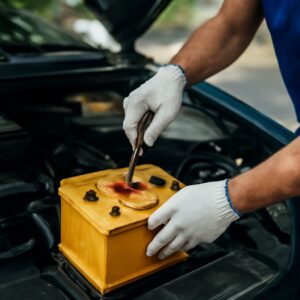
Routine battery maintenance is straightforward. Checking terminals every few months for corrosion and cleaning them with a wire brush and baking soda solution keeps resistance low. A battery maintainer, sometimes called a trickle charger, is useful for vehicles that sit unused for weeks at a time. It keeps the charge at the proper level without overcharging. How often change car battery comes up less often when the battery is kept clean and the charging system is functioning correctly. A failing alternator can also drain a battery prematurely, so a complete charging system check should accompany any battery replacement.
Choosing the Right Replacement Battery
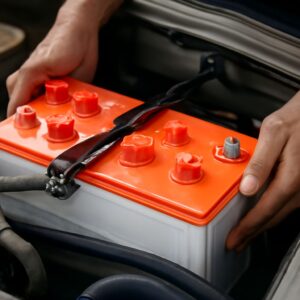
Replacement batteries are rated by cold cranking amps (CCA), reserve capacity, and group size. The vehicle’s owner manual or door jamb label specifies the correct group size. Selecting a battery with a CCA rating equal to or higher than the factory specification ensures reliable cold-weather starting. Batteries carry warranties ranging from one to three years free replacement, followed by a prorated period. Paying attention to the manufacture date stamped on the battery ensures a fresh unit with maximum expected service life.
Next steps: Have the battery load-tested at a shop or parts store if it is three or more years old. Clean terminals regularly and use a battery maintainer during periods of infrequent driving to extend car battery life. Replace the battery proactively before it fails, using the test results and vehicle history to guide the timing.