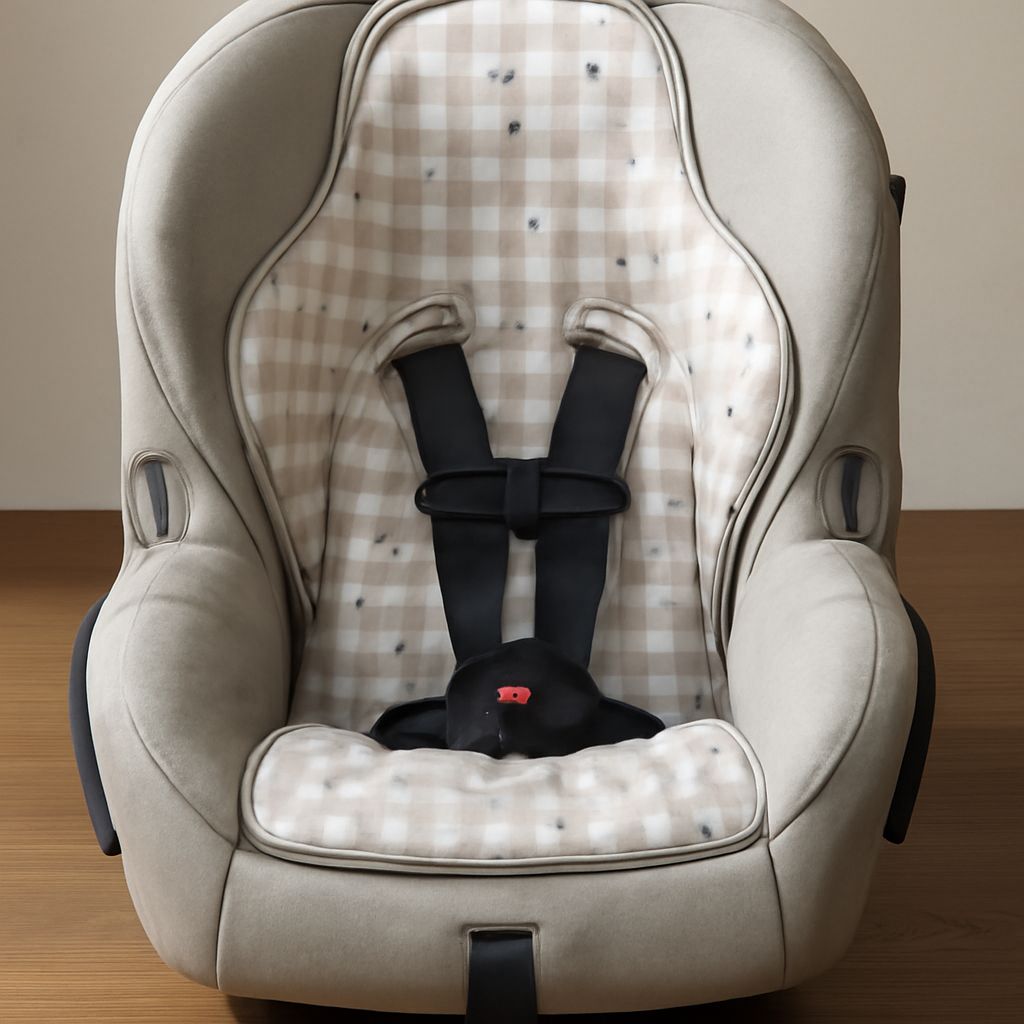
Car interior design choices directly affect how well a cabin holds up over time, especially for families with young children. The materials used in modern vehicle interiors — leather, perforated vinyl, woven fabric — respond differently to spills, moisture, and the pressure of child car seats. A car seat liner placed between the seat and the child’s safety seat can prevent permanent indentations, staining, and wear that would otherwise degrade the interior’s condition long before the rest of the vehicle is ready for replacement.
Parents choosing between a toddler car seat cover and a more general protective layer often ask whether these products actually work or simply add cost. Both an infant car seat liner and a toddler-specific option serve distinct purposes based on the child’s size and the seat type being used. A car seat saver, as this category is broadly described in retail, can preserve resale value and maintain a cleaner cabin environment throughout the child-rearing years.
How Car Seats Affect Vehicle Interiors
Rear-facing infant seats and forward-facing toddler seats each apply pressure to the upholstery in different ways. Infant seats are typically lighter and concentrate less force, while forward-facing seats used by toddlers and older children press the seat base more firmly into the upholstery. Over months and years, this constant compression creates depressions and wear patterns that are visible even after the seat is removed.
Spills compound the problem. Bottles, cups, and food all introduce moisture and acids that penetrate fabric and leather. Once fluids work their way past the stitching at seat edges, they reach the foam padding beneath, where odor and mold develop out of sight.
Choosing the Right Car Seat Liner
Material Options
A car seat liner comes in several materials: silicone mats, quilted fabric pads, and rubberized trays. Silicone options grip both the vehicle seat and the child’s seat base well, preventing lateral movement. Fabric pads feel similar to the original upholstery and are often machine washable, making cleanup straightforward. Rubberized trays add structure and contain crumbs more effectively but may not fit under all seat base designs.
Compatibility with Infant Seats
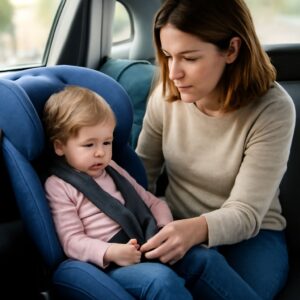
An infant car seat liner must not interfere with the installation angle or latch connection of the safety seat. Manufacturers typically list compatible seat bases on packaging. Using an incompatible liner can shift the base angle or prevent a secure latch connection, which affects safety performance. Checking the child seat manufacturer’s installation guidelines before adding any liner is the correct first step.
Toddler Car Seat Covers: What They Add
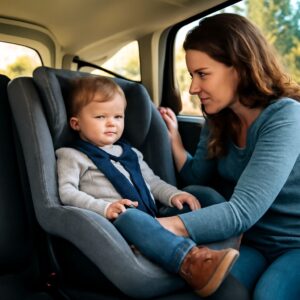
Toddler car seat covers address the specific wear patterns created by larger rear- and forward-facing seats. They typically extend further toward the seatback to protect against the upward creep of the seat base during braking. A correctly fitted toddler car seat cover also reduces the accumulation of crumbs and food debris under the seat base, which is one of the more difficult areas to clean once materials have compressed into the fabric.
Some toddler car seat covers include kick mats attached to the back of the front seat, combining front and rear protection in a single product. Whether this matters depends on the child’s age and how much foot-driven scuffing the seatback behind the child endures.
What a Car Seat Saver Actually Protects
A car seat saver product typically covers the seat cushion, the seatback area directly behind the child seat, and sometimes the belt path area where the safety seat’s LATCH strap contacts the vehicle upholstery. Protecting these three zones preserves the original condition of the interior more completely than covering just one area.
For vehicles with light-colored leather or premium fabric interiors, a car seat saver is especially worth evaluating. Dye transfer from dark-colored car seat bases is a well-documented issue with lighter upholstery, and a liner eliminates this contact entirely.
Next Steps
Measure the seat base footprint of the child seat before ordering any liner or cover to confirm compatibility. Check whether the child seat manufacturer allows the use of aftermarket liners without voiding the seat’s certification. Install any protective layer before the first use to avoid the compacted debris that makes clean installation difficult later.