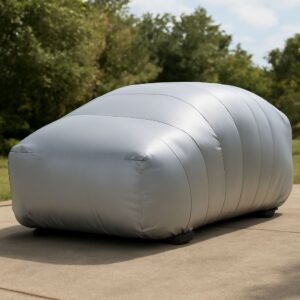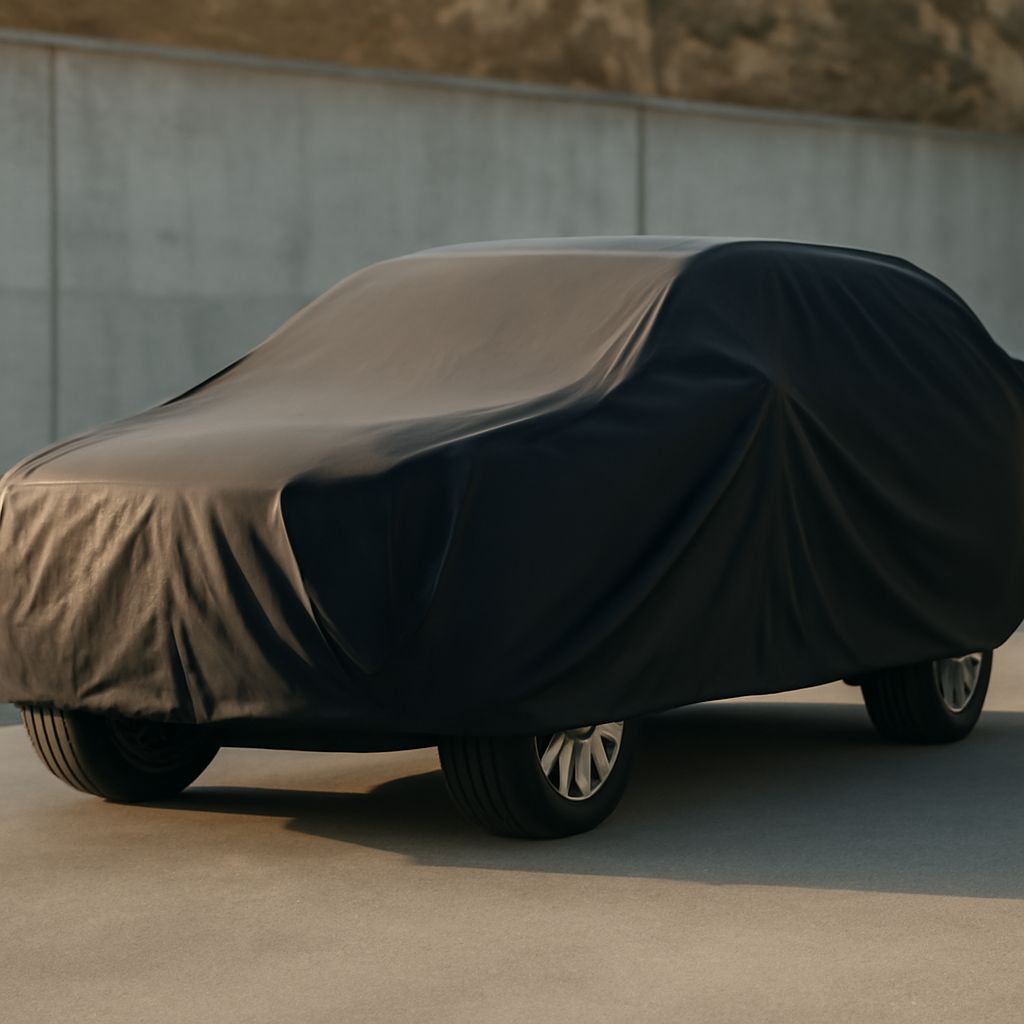
A waterproof car cover does more than keep a vehicle dry. It protects paint from UV damage, prevents bird droppings from bonding to the surface, and reduces the effort needed for seasonal maintenance. What separates a functional cover from one that causes more harm than good comes down to material, fit, and intended use — factors worth examining before making a purchase.
Selecting a car cover for snow involves different priorities than choosing one for sun or rain. A cover used in winter needs to handle moisture, weight, and temperature swings without trapping ice against the paint. For larger vehicles, an suv car cover must fit the longer wheelbase and higher roofline without sagging or shifting in wind. Understanding what car cover waterproof ratings actually mean, and how suv car covers differ from standard sedan covers, helps narrow the field considerably.
Why Waterproofing Rating Matters
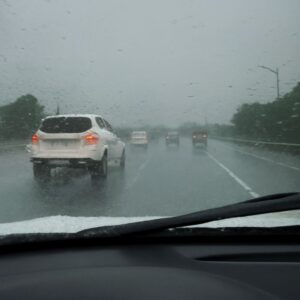
Not all waterproof labels mean the same thing. Some covers are water-resistant, shedding light rain before moisture seeps through. A truly waterproof car cover uses laminated or coated fabrics that block water entirely, even under sustained rainfall or snow melt. The trade-off is breathability: fully waterproof materials that lack ventilation can trap moisture underneath, leading to mildew and paint oxidation over time.
Quality waterproof covers include breathable membranes or ventilation panels that allow humidity to escape while blocking liquid water. This combination is the standard to look for when comparing options by material specification rather than by marketing descriptions alone.
Choosing a Car Cover for Snow
Weight and Load Distribution
A car cover for snow must handle the physical weight of accumulation without sagging against body panels. Heavy snow pressing through a thin cover can cause scratches on raised features like door handles and side mirrors. Covers designed for winter use typically include reinforced panels and elastic hems that distribute weight more evenly.
Ease of On and Off in Cold Weather
Removing a cover when it’s frozen to itself or to the vehicle is a recurring problem with budget options. Car covers built for snow use non-stick outer fabrics and tie-down straps with glove-friendly buckles, making removal manageable even in sub-zero temperatures.
SUV Car Cover Fit and Sizing
Standard covers sized for sedans or coupes rarely fit SUVs correctly. An suv car cover is cut to accommodate the taller roofline, longer body, and typically wider mirrors. A poor fit creates flapping sections that abrade paint during windstorms. When selecting suv car covers, measuring the vehicle’s overall length, height, and mirror-to-mirror width gives the baseline for comparing manufacturer sizing charts.
Semi-custom covers offer better fit than universal options at a moderate price increase. Fully custom covers, shaped to a specific make and model, provide the most precise fit but cost significantly more. For most SUV owners, a semi-custom suv car cover sized for their vehicle class strikes the right balance.
Car Cover Waterproof Material Comparison
- Polypropylene: Lightweight, water-resistant, suitable for light rain and dust; not recommended for heavy snow
- Polyester with PVC laminate: Fully waterproof, more durable, some breathability depending on construction
- Solution-dyed polyester: UV-stabilized, good for outdoor year-round use, moderate waterproofing
- Multi-layer composites: Best overall protection, combining a soft inner layer, moisture barrier, and UV-resistant outer shell
Installation and Storage Tips
A waterproof car cover should always go on a clean vehicle. Dirt or grit trapped under the cover during installation can scratch the paint when the cover shifts in wind. Fitting the cover on a dry surface and securing all anchor straps before leaving the vehicle unattended prevents movement. When not in use, storing the cover in its included bag, away from direct sunlight, extends fabric life considerably.
Pro Tips Recap
Match the cover material to the primary use case: a car cover for snow needs load-bearing construction and cold-weather buckles, while a daily cover for sun and light rain can use lighter materials. Always size suv car covers to actual vehicle measurements rather than relying on generic labels. A breathable waterproof car cover that fits well and gets installed on a clean surface will outperform an expensive cover that fits poorly or traps moisture underneath.