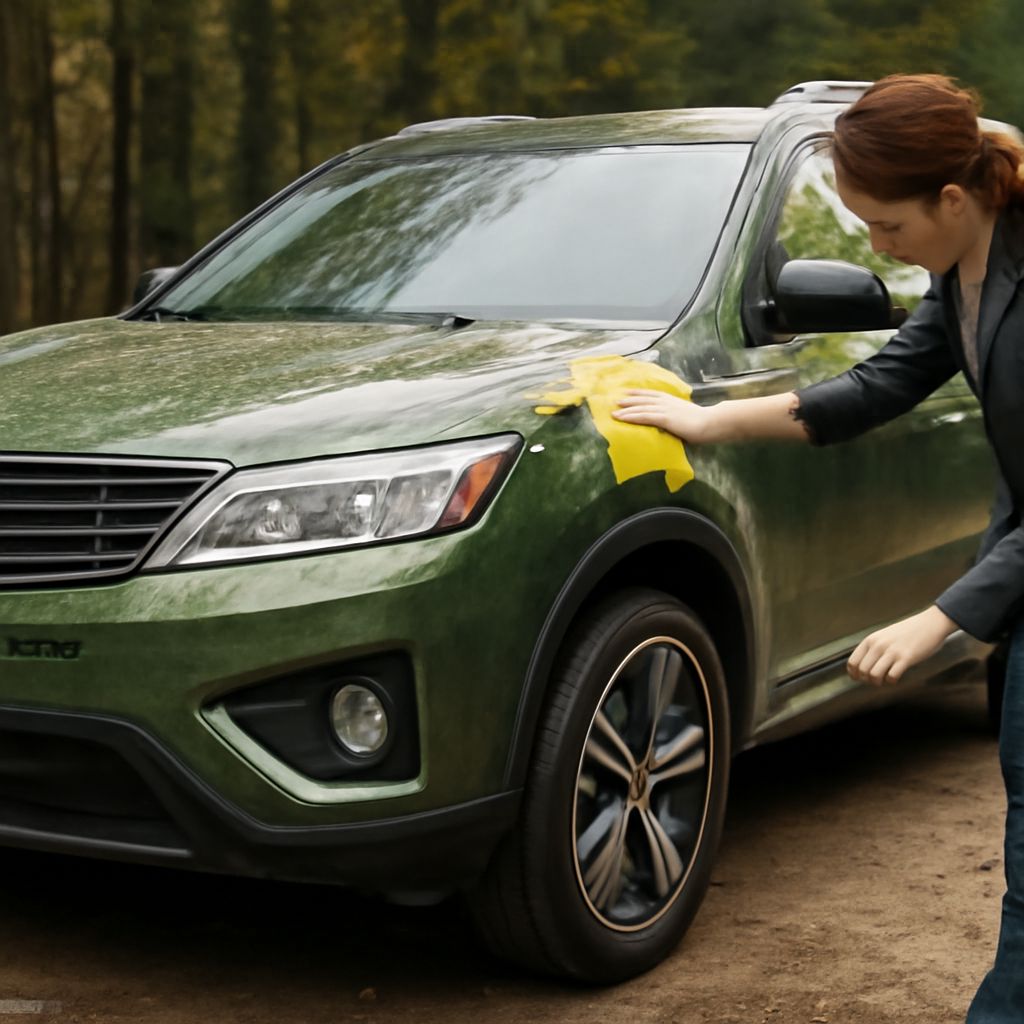
Removing pine sap from car paint is one of those maintenance tasks that looks minor until it’s left too long. The longer sap sits on the surface, the deeper it bonds with the clear coat, making removal harder and raising the risk of permanent staining. Anyone who has parked under conifers knows how quickly pine sap on car surfaces can spread from a few drops to a stubborn, sticky mess.
Knowing how to remove pine sap from a car correctly matters as much as acting quickly. Scraping or rubbing dry sap with an abrasive cloth can scratch the paint. The right approach uses solvents or natural oils to soften the resin before wiping. This article covers how to remove pine sap from car paint safely, step by step, including how to remove tree sap from your car without damaging the finish.
What Makes Pine Sap Hard to Remove
Pine sap contains resins and terpenes that harden when exposed to heat and UV light. Fresh sap is sticky and pliable; dried sap forms a rigid shell that grips the clear coat. The bonding mechanism is physical and chemical, which is why water alone does not dissolve it. Effective removal requires a product that can break down the resin without stripping wax or damaging paint.
Supplies Needed Before Starting
- Isopropyl alcohol (70% or higher) or a dedicated tar and sap remover
- Microfiber cloths (at least two, one for application and one for buffing)
- Hand sanitizer or rubbing alcohol as a backup
- Car wash soap and water
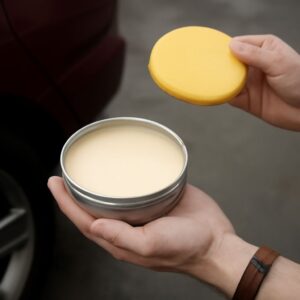
- Car wax or paint sealant for protection afterward
Step-by-Step: How to Remove Pine Sap from a Car
Soften the Sap First
Apply isopropyl alcohol to a clean microfiber cloth and hold it against the sap spot for 30 to 60 seconds. This softens the resin without immediately touching the paint. Removing pine sap from car surfaces works best when the solvent has time to penetrate the hardened layer before any wiping motion begins.
Wipe with Light Pressure
Once the sap has softened, use gentle circular motions with the cloth. Avoid pressing hard or using back-and-forth strokes, which can drag the loosened resin across the surface and cause micro-scratches. Repeat the soaking step if the sap does not release cleanly on the first pass.
Natural Oil as an Alternative
Cooking oils such as olive or coconut oil work on fresh sap. Apply a small amount to the spot, let it sit for a few minutes, then wipe away. This method is gentle enough for vehicles with sensitive or older paint. It is one option for how to remove pine sap from car paint when chemical solvents are unavailable.
Handling Pine Sap on Car Paint After Removal
Once the sap is gone, the treated area needs to be washed with car shampoo to remove any solvent residue. Isopropyl alcohol strips wax, so re-applying a layer of carnauba wax or synthetic sealant after cleaning restores protection. When dealing with pine sap on car paint that has sat for weeks, a second pass with a clay bar may be needed to lift any remaining residue embedded in the clear coat.
How to Remove Tree Sap from Your Car When It’s Widespread
If sap covers a large panel area, a commercial tar and sap remover applied with a foam applicator gives more consistent coverage than a cloth. Work one section at a time, keeping the product wet on the surface for the full dwell time listed on the label. After removing the product and washing the car, inspect the paint in direct light to confirm all residue is gone before waxing.
Next Steps
Park away from pine and fir trees when possible, particularly in summer when sap flow is highest. Applying a ceramic coating or quality paint sealant gives the clear coat better resistance to future sap bonding, making the next removal significantly easier. Regular washing also catches fresh sap before it hardens.