Anyone who has purchased a used car from a smoker or transported passengers who smoke knows how stubborn the odor can be. Knowing how to get rid of cigarette smell in car interiors requires more than cracking a window or placing an air freshener on the dash. The smell binds to fabric, foam, plastic trim, and the HVAC system, which means surface-level fixes rarely last. How to get cigarette smoke out of a car permanently depends on targeting all contaminated surfaces in the right order. Cigarette smell in car cabins often persists for months or years if the source materials are not treated directly. Removing cigarette smell from car interiors is a multi-step process, not a single product solution. How to get rid of cigarette smell in a car starts with understanding where the odor compounds actually accumulate.
Why Cigarette Odor Sticks So Persistently
Where the Compounds Settle
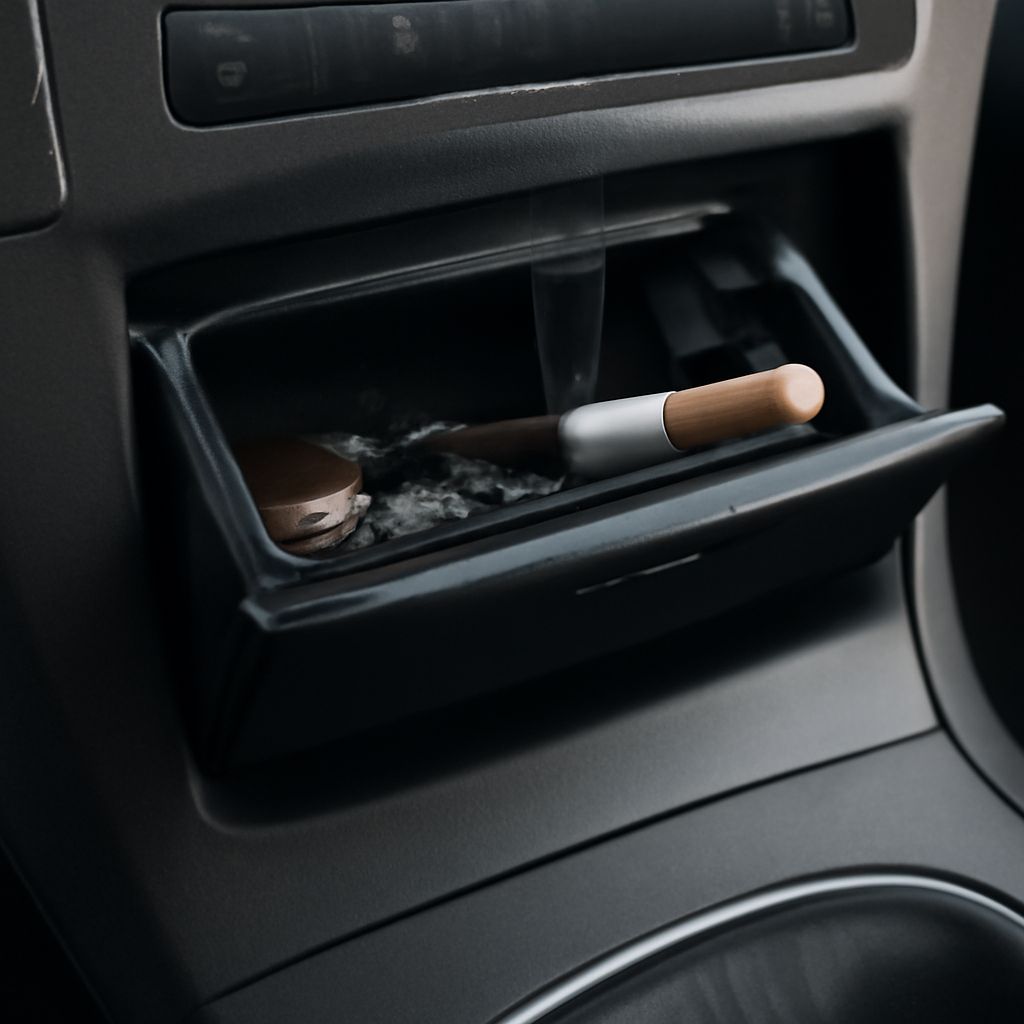
Tobacco smoke deposits a sticky residue called thirdhand smoke on every porous surface it contacts. Upholstery foam, carpet backing, headliners, and door panel padding absorb nicotine and tar compounds. Plastic trim and glass trap a thinner film, but it still releases odor over time, particularly when the vehicle heats up. The HVAC system draws air through the cabin and deposits residue on the evaporator core and ductwork, then recirculates the smell every time the fan runs.
Why Air Fresheners Fall Short
Masking agents work by overwhelming the nose with a competing scent, not by neutralizing odor-causing molecules. Once the masking scent fades, the underlying cigarette smell in car interiors returns, often noticeably stronger than before because the contrast is greater. Effective odor elimination requires chemical neutralization or physical removal of the residue itself.
Cleaning the Interior Surfaces
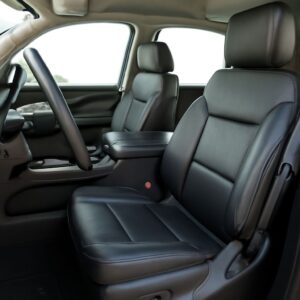
The first pass focuses on removing loose contamination. Vacuuming all upholstery, carpets, and crevices pulls out ash and particulate matter. Using a stiff brush attachment on fabric seats loosens residue embedded in the fiber weave. Hard surfaces, including the dashboard, door cards, center console, and headliner support, need wiping with a mild all-purpose cleaner diluted to manufacturer recommendations. Applying a dedicated odor-neutralizing upholstery shampoo to fabric seats and carpets, then scrubbing with a soft brush, reaches the odor compounds that a dry vacuum cannot extract. Allowing the interior to dry fully before closing doors prevents mildew from compounding the problem.
Treating the HVAC System
Removing cigarette smell from car interiors that recirculates through the air vents requires treating the HVAC specifically. Replacing the cabin air filter is the first step; a contaminated filter actively reintroduces odor on every fan cycle. After replacing the filter, running the fan on maximum with fresh-air mode, not recirculate, for 10 to 15 minutes flushes stale air from the ducts. An enzyme-based odor eliminator sprayed directly into the fresh-air intake, located near the base of the windshield, reaches the evaporator core where residue accumulates. A professional ozone treatment administered by a detailer penetrates ductwork more thoroughly than spray applications, though it requires vacating the vehicle for several hours and airing it out completely before occupancy.
Using Odor Absorbers Between Deep Cleans
Activated charcoal bags placed under seats and in the trunk pull residual odor molecules from the air passively. Baking soda sprinkled on carpets and upholstery overnight, then vacuumed out the following morning, neutralizes acidic odor compounds without leaving chemical residue. White vinegar in an open container left inside an enclosed car overnight absorbs odors effectively, though the vinegar smell itself dissipates within a few hours of ventilation. These methods work best as follow-up treatments after a full interior cleaning, not as standalone fixes.
When Professional Detailing Is the Right Call
For heavily saturated interiors, particularly vehicles where smoking occurred regularly over years, a professional detailer who specializes in odor remediation can perform treatments not feasible at home. Ozone generators, thermal fogging, and enzyme-based steam cleaning penetrate materials at a depth that consumer products and standard methods cannot match. How to get cigarette smoke out of a car at this level of saturation often requires two rounds of professional treatment, with reassessment between sessions.
Pro tips recap: Vacuum all surfaces first, shampoo fabric with an enzyme-based product, replace the cabin filter and treat the HVAC intake, use activated charcoal bags for ongoing maintenance, and consult a professional detailer for cases where DIY methods have not resolved the odor after two full cleaning cycles.