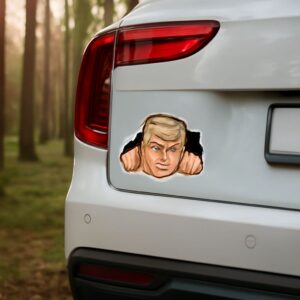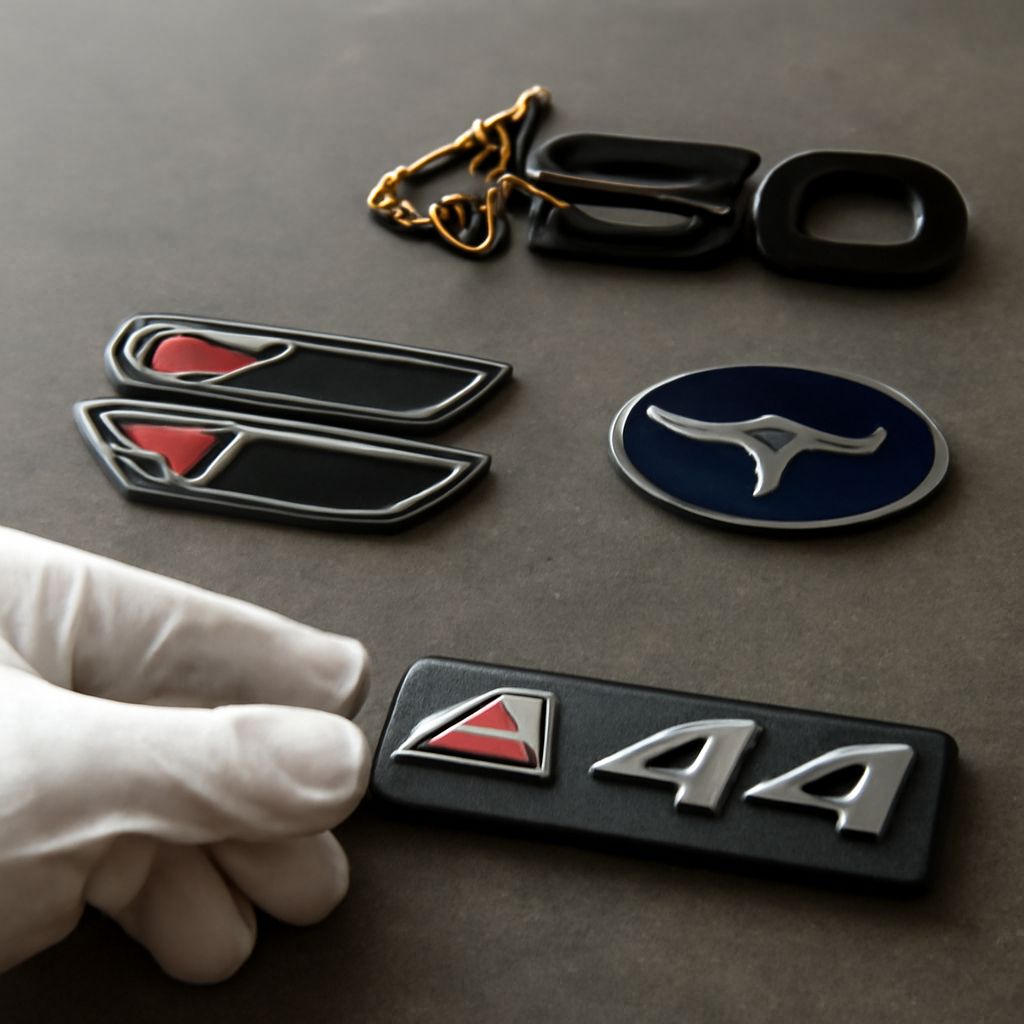
Car badges do more than display a manufacturer’s logo. They communicate ownership pride, personal style, and in some cases, vehicle specification details like trim level or engine displacement. What makes a car badge worth choosing, and what separates quality pieces from cheap imitations, comes down to material, adhesion method, and finish durability. A car badge attached to a door, trunk, or grille faces temperature swings, UV exposure, car wash abrasion, and road debris on a regular basis. Metal car decals and three-dimensional emblems both have distinct structural characteristics that affect how long they hold up. Cool car emblems with bold geometric designs sit differently on a vehicle’s surface than traditional oval or shield shapes, and the mounting method needs to match the panel contour. Unique car emblems stand out precisely because they deviate from stock options, which is why aftermarket choices have grown considerably in variety over the past decade.
Common Badge Materials and Their Trade-Offs
ABS plastic is the most common base material for factory badges because it is lightweight, moldable into complex shapes, and accepts chrome plating or paint well. The weakness is brittleness in cold temperatures and susceptibility to impact fracture. Zinc alloy, often used in premium aftermarket badges, weighs more but resists cracking and holds fine detail in casting better than plastic. Stainless steel car badges maintain finish longer than plated plastic, resist pitting in wet climates, and carry a tactile weight that reads as quality. Metal car decals made from thin aluminum or stainless sheet stock bond flatly to painted surfaces and are easier to remove without leaving adhesive residue than thick molded units.
Mounting Methods That Determine Longevity
Factory car badges typically mount through two methods: double-sided automotive-grade tape or snap pins that fit into pre-drilled holes in the body panel. Tape-mounted badges are easier to remove but can lift at edges after years of temperature cycling, particularly in climates that see extreme heat or cold. Pin-mounted units require drilling if added aftermarket, which is a permanent modification most owners avoid on newer vehicles. For aftermarket applications, 3M automotive tape, pre-applied on many replacement badges, provides a reliable bond when the surface is cleaned with isopropyl alcohol before attachment. Allowing the adhesive to cure for 24 hours before washing or exposing the area to direct water significantly improves long-term bond strength.
Choosing Between Cool and Unique Designs
Cool car emblems in the aftermarket tend to fall into a few categories: blacked-out versions of factory logos for a stealth appearance, retro designs that reference heritage models, and completely custom shapes unrelated to any manufacturer. Unique car emblems occupy the further end of that spectrum, often featuring custom script lettering, cultural references, or geometric shapes that are one-of-a-kind. The choice comes down to whether the owner wants the emblem to complement the vehicle’s existing design language or deliberately break from it. A matte black emblem on a black vehicle creates a subtle tonal contrast. A polished chrome script on a dark-colored vehicle draws immediate visual attention. Either approach works, but the scale of the badge relative to the panel it occupies matters for proportion.
Removing and Replacing Existing Badges
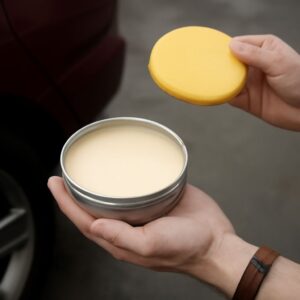
Removing factory car badges without damaging the paint underneath requires patience and the right tools. Dental floss or thin fishing line slid behind the badge using a back-and-forth motion cuts through adhesive gradually without scratching the panel. Heat from a heat gun or hair dryer softened the tape bond first, reducing the force needed. After removal, adhesive remover applied with a microfiber cloth dissolves residue without affecting the clear coat when used as directed. The panel should be polished and protected with paint sealant before new badge installation to prevent the formerly covered area from showing a visible contrast line over time.
Key takeaways: Car badges range from basic plastic to premium metal car decals, and the right choice depends on durability needs and aesthetic goals. Cool car emblems and unique car emblems both benefit from proper surface preparation and quality adhesive to ensure they stay put through the conditions every exterior automotive surface faces regularly.