A warning light on the dashboard triggers two immediate questions: what does it mean, and how much will it cost to find out? A car diagnostic test answers the first question by reading fault codes stored in the vehicle’s onboard computer. The cost for that reading ranges from nothing at a parts store to over one hundred dollars at a dealership. Knowing the options makes the process less intimidating and more economical.
Free car diagnostic services exist and are widely available, but they come with limitations worth understanding. A diagnostic test for car systems goes deeper than a simple code read when done by a professional, covering live sensor data, system readiness monitors, and component-specific tests. Free car diagnosis provides a starting point; a full shop scan provides the complete picture. Understanding when each is appropriate saves both time and money. A free diagnostic car scan from a parts retailer gets the conversation started at no cost.
What a Car Diagnostic Test Actually Measures
OBD-II Systems and Trouble Codes A car diagnostic test connects to the OBD-II port, a standardized data connector present on all passenger vehicles sold in the US since 1996. The scan tool reads diagnostic trouble codes stored by the engine control module, transmission control module, ABS system, and other networked modules. Each code corresponds to a specific fault or out-of-range sensor reading, giving the technician a starting point for diagnosis.
Trouble codes divide into pending codes, which have occurred once but not confirmed, and confirmed codes, which have triggered the check engine light. Reading both types gives a fuller picture of what the vehicle’s systems have recorded. Some vehicles store freeze-frame data alongside the code, capturing the engine conditions at the moment the fault occurred.
Limitations of Basic Code Reads
A code read identifies the system that reported a fault, not necessarily the specific failed component. A P0420 code, for example, indicates catalyst efficiency below threshold, but the cause could be a failing catalytic converter, an oxygen sensor reading incorrectly, or an exhaust leak affecting sensor readings. A code alone does not complete the diagnosis; it directs further testing.
Where to Get a Free Car Diagnostic
Auto Parts Store Scanners Free car diagnostic service at auto parts retailers involves a staff member connecting a scan tool to the OBD-II port and reading the stored trouble codes. This service takes five to ten minutes and costs nothing. The tool used is typically a mid-grade consumer or professional code reader capable of reading generic OBD-II codes. Manufacturer-specific codes that require enhanced software may not appear on these scanners.
The staff member provides a printout or verbal description of the codes. The retailer’s interest is in selling parts that address the fault, so the interpretation can be biased toward part replacement rather than further diagnosis. Using the code as a research starting point, then verifying the diagnosis independently, is the practical approach.
Dealership Promotions and Warranty Checks
Some dealerships offer free car diagnosis as a promotional service during specific periods or for vehicles still under warranty. Warranty-covered repairs typically include diagnosis at no charge to the customer. Out-of-warranty vehicles may qualify for a complimentary scan during service promotions. Calling ahead to confirm availability and any conditions attached prevents surprises.
Diagnostic Test for Car: Shop Scans vs. DIY Tools
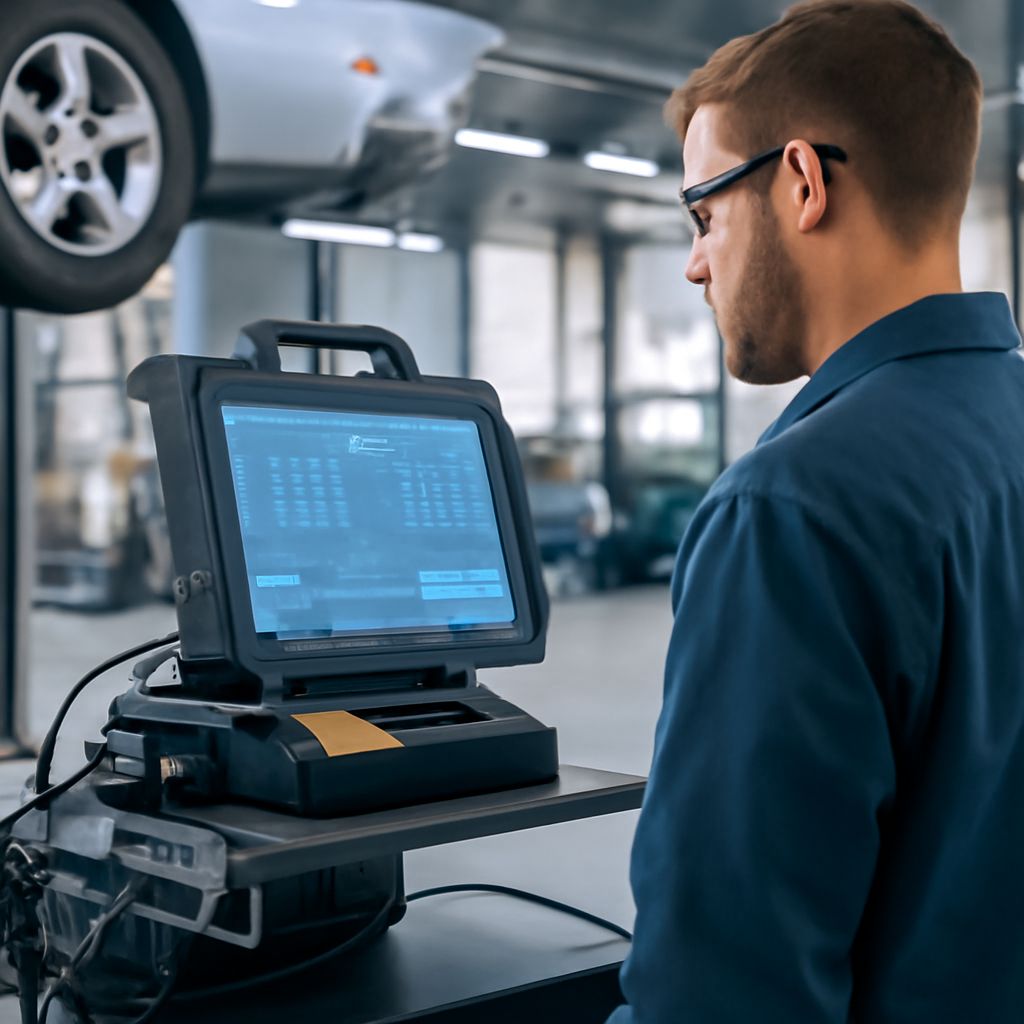
A professional diagnostic test for car systems at an independent shop or dealership uses factory-level scan tools that access all vehicle modules, including body control, climate, and advanced driver assistance systems. These tools cost thousands of dollars and require regular software updates to maintain coverage for new model years. The depth of data available far exceeds what a free car diagnostic at a parts store provides.
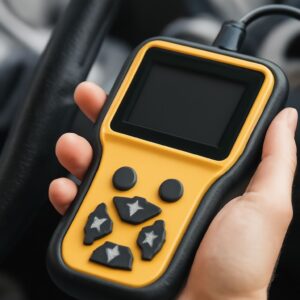
DIY OBD-II scanners available for consumer purchase range from basic Bluetooth dongles that pair with a smartphone app to dedicated handheld units with live data graphing. Entry-level tools read generic codes adequately. Professional-grade consumer tools read manufacturer-specific codes and display live sensor data. Neither replaces the software depth of a factory scan tool, but both provide useful information for drivers who want to monitor their vehicle between shop visits.
Free Car Diagnosis: When It’s Enough and When It Isn’t
A free car diagnosis covers the most common check engine scenarios adequately. A misfiring cylinder, an oxygen sensor fault, or a loose gas cap all produce generic codes that a parts-store scanner reads accurately. When those codes point to straightforward component replacements with clear repair instructions, the free scan provides everything needed to proceed.
When the symptom involves multiple codes, intermittent faults, or systems beyond the powertrain, such as transmission shudder, ABS activation without cause, or stability control faults, the free diagnostic car service at a parts retailer reaches its limit. These situations require the live data, bi-directional control, and module-specific access that only a professional scan tool provides. Paying for a full shop diagnostic in these cases is a better use of money than replacing parts based on incomplete information.
Interpreting Results and Deciding on Repairs
After receiving diagnostic results, the next step is verifying the diagnosis before purchasing parts or authorizing repairs. Many codes have known common causes specific to certain makes and models. Online forums, technical service bulletin databases, and certified technician networks provide additional context for interpreting specific codes on specific vehicles.
When the diagnostic points to a repair costing more than a few hundred dollars, getting a second opinion from another shop before authorizing work is reasonable. Reputable shops provide written estimates that include the diagnostic findings, the proposed repair, and the parts and labor costs. Any reluctance to provide this in writing warrants choosing a different shop.
Pro tips recap: Start with a free car diagnostic at a parts retailer for basic check engine lights to get the code at no cost. Use the code as a research starting point, not a definitive repair prescription. For complex, intermittent, or multi-system faults, invest in a full diagnostic test for car at a shop with manufacturer-level scan tools to avoid misdiagnosis and unnecessary parts spending.