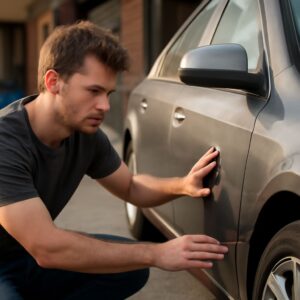
Borrowing a vehicle from a friend or family member seems straightforward until an accident happens and the insurance questions begin. Can you drive someone else’s car legally? In most cases, yes, but the coverage that applies in the event of a claim belongs to the vehicle owner, not the driver. Understanding how insurance follows the car rather than the person is fundamental to knowing what protection exists when driving a vehicle that belongs to someone else. Can i drive someone else’s car without consequences depends heavily on whether the owner has given permission and whether their policy covers permissive use drivers.
Is it illegal to drive someone else’s car? The act of driving another person’s vehicle is not inherently illegal, but doing so without the owner’s knowledge or consent crosses into unauthorized use, which carries legal penalties in most states. Can i drive my friend’s car is a question with a legal answer of yes when permission has been given, but the insurance answer requires a closer look at the friend’s policy terms. Can i drive someone else’s car without insurance of your own is possible in some states, but risky if the owner’s coverage is insufficient to cover a major accident.
How Insurance Follows the Car
Auto insurance policies in the United States are generally attached to the vehicle, not the driver. When a policyholder’s vehicle is borrowed with permission, the owner’s liability and collision coverage typically extends to the borrowing driver under a doctrine called permissive use. This means the owner’s policy is the primary coverage and the borrower’s own auto insurance, if they have it, acts as secondary coverage for any amounts exceeding the owner’s policy limits.
What Permissive Use Actually Covers
Permissive use coverage does not apply automatically in every situation. Most policies limit permissive use to occasional, infrequent borrowing. A person who regularly drives the owner’s car, such as a household member or frequent user, may need to be added to the policy explicitly. Driving the vehicle as part of a business arrangement, for delivery, or for rideshare purposes typically falls outside standard permissive use provisions regardless of the owner’s consent.
Excluded Drivers and Policy Restrictions
Some insurance policies list specific excluded drivers, meaning the policy provides no coverage at all if that person drives the vehicle. If someone borrowing a car has been excluded from the owner’s policy, any accident they cause is entirely uninsured from the owner’s coverage perspective. This situation can expose the vehicle owner to direct financial liability for damages caused by the excluded driver.
Driving a Friend’s Car Without Your Own Insurance
Can i drive my friend’s car if you have no personal auto insurance? The friend’s policy provides coverage, but gaps arise when the damages exceed the friend’s policy limits. Without supplemental coverage of your own, those excess amounts become a personal financial liability. States vary in their requirements for non-owner auto insurance, but a non-owner policy is a relatively inexpensive option for people who regularly borrow vehicles but do not own one themselves.
State Laws and Registration Requirements
Is it illegal to drive someone else’s car without carrying the vehicle’s registration and proof of insurance? In most states, yes. Law enforcement can cite a driver for failing to produce registration and proof of coverage, even if the vehicle itself is fully insured. Carrying copies of the owner’s insurance card and the current registration prevents this complication during a traffic stop.
Pro tips recap: Can you drive someone else’s car safely from an insurance standpoint requires confirming the owner has an active policy with permissive use coverage and that you are not listed as an excluded driver. Can i drive someone else’s car without insurance of your own is possible, but a non-owner policy fills coverage gaps at low cost. Always carry the owner’s registration and proof of insurance when borrowing any vehicle.