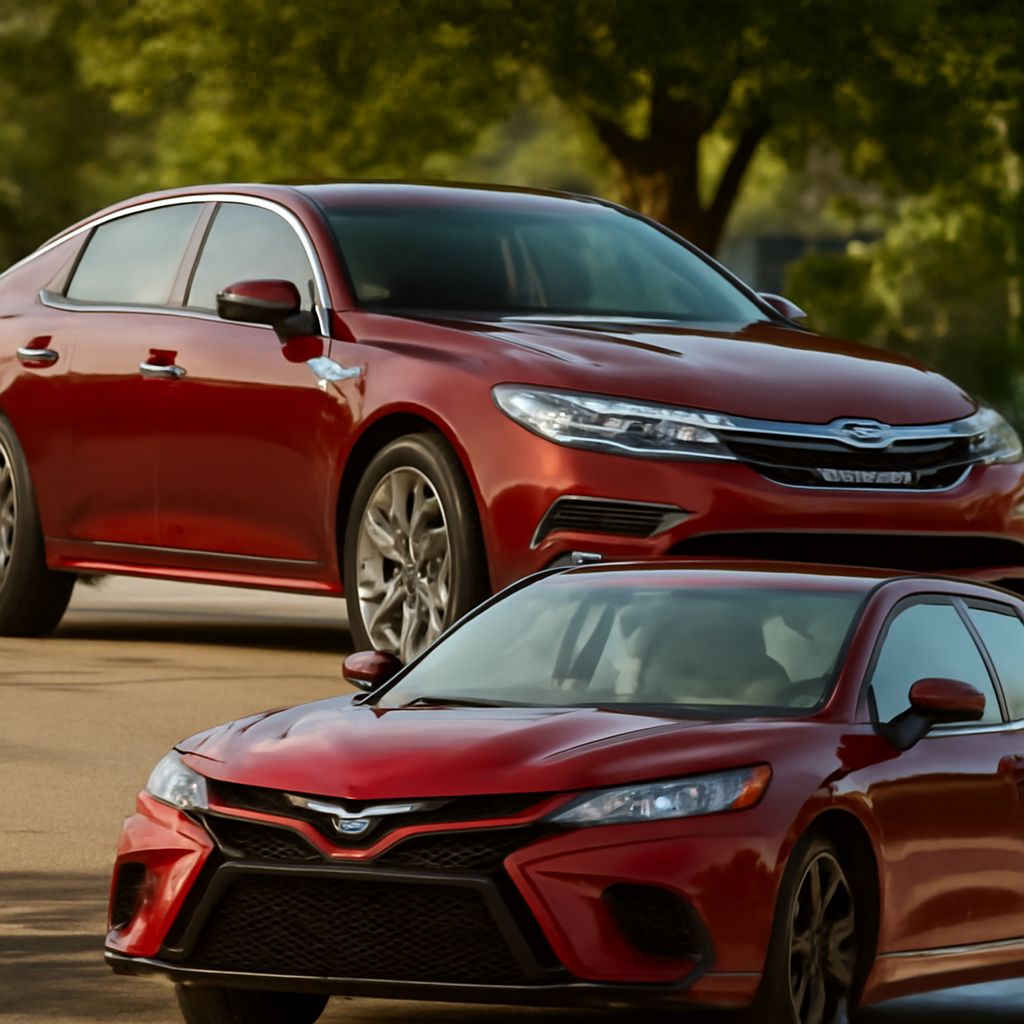
Are you considering making the shift to a more eco-friendly vehicle, but aren’t sure which option fits your needs? With so many new models and features emerging, the search can feel overwhelming. That’s where comprehensive hybrid car reviews and detailed hybrid cars comparison guides can help—offering clarity amidst a rapidly evolving automotive landscape.
Whether you’re focused on fuel efficiency, technology, or long-term reliability, understanding how today’s hybrid vehicles differ is essential. Before diving into the specific benefits and drawbacks of individual models, it’s worth exploring what truly sets hybrids apart from conventional cars and even fully electric vehicles.
Understanding Hybrid Cars: What Makes Them Different?
Hybrid vehicles blend the traditional internal combustion engine with electric propulsion, aiming for a balance between efficiency and performance. This dual-motor setup enables hybrids to switch seamlessly between gasoline and electric power, or even use both simultaneously, depending on driving conditions. The result is typically lower emissions and better fuel economy than standard gas-powered counterparts.
One of the primary distinctions in hybrid car reviews is the type of hybrid technology employed. Full hybrids, for instance, can operate solely on electric power at low speeds, while mild hybrids only assist the gasoline engine, never running on electricity alone. Plug-in hybrids further expand driving options, offering a larger battery that can be recharged externally for extended electric-only range.
Advanced regenerative braking systems are another hallmark of these vehicles, capturing energy during deceleration to recharge the battery. This not only improves overall efficiency but also reduces wear on brake components. Such features are regularly highlighted in professional hybrid car reviews because they contribute directly to ongoing maintenance savings for owners.
Understanding these distinctions is key before engaging in any hybrid cars comparison, as different systems cater to unique driving needs. Drivers who frequently commute in stop-and-go traffic, for example, may get the most benefit from a full or plug-in hybrid’s electric operation in city environments.
Hybrid Car Reviews: Top Models on the Market
When analyzing hybrid car reviews, several models consistently stand out for their blend of efficiency, comfort, and advanced safety features. Leading hybrid sedans and SUVs showcase impressive real-world fuel economy, intuitive infotainment, and strong reliability scores—factors that automotive experts and drivers alike prioritize when evaluating their options.
Among the most discussed are vehicles that pair user-friendly technology with practical cargo space and refined interiors. These aspects are frequently evaluated in hybrid car reviews, as they speak to everyday usability and ownership satisfaction. The latest models incorporate adaptive cruise control, smartphone integration, and comprehensive driver-assistance systems, elevating the standard for what buyers can expect in this segment.
Ride quality and handling are also central to many hybrid car reviews. With refinements in suspension tuning and sound insulation, today’s hybrids offer quiet, composed drives—making long trips and daily commutes equally pleasant. Reviewers point out that while hybrids once lagged behind their gasoline peers in driving engagement, recent innovations have closed the gap considerably.
Resale value and manufacturer warranty coverage often feature in hybrid car reviews as well. These considerations give buyers confidence that their investment will be protected for years to come, which is especially relevant as the hybrid market expands and evolves.
Hybrid Cars Comparison: How Do Leading Models Stack Up?
Conducting a hybrid cars comparison involves more than simply looking at sticker prices and advertised mileage. It means carefully weighing real-world fuel consumption, available trim levels, and overall versatility. Many shoppers use side-by-side hybrid cars comparison tools to identify which vehicles best match their commuting patterns and lifestyle requirements.
For instance, compact hybrid sedans typically provide superior city efficiency, while hybrid SUVs offer the flexibility of all-wheel drive and greater cargo space. Safety ratings, connectivity options, and the availability of advanced driver aids can also tip the scales in favor of one model over another. A thorough hybrid cars comparison should account for these details, ensuring buyers get a vehicle suited to their specific needs.
Professional assessments further highlight how hybrids differ in ride comfort, cabin quality, and ease of use for hybrid powertrains. Family-oriented buyers might prioritize roomy interiors and easily accessible child seat anchors, while commuters could focus on range and fuel savings. This is where nuanced hybrid cars comparison charts and in-depth reviews offer their greatest value.
Ultimately, consulting both data-driven research and hands-on hybrid cars comparison reviews can help demystify the purchasing process, leading to a more satisfying ownership experience.
Which Hybrid is Right for You? Key Considerations
Choosing the best hybrid involves more than just reading hybrid car reviews or glancing at side-by-side specs. Buyers must consider key factors like driving habits, charging availability, budget, and long-term reliability. For those with frequent highway trips, a hybrid with robust highway economy may be preferable, while city dwellers might lean toward a plug-in model for its electric range.
Other important considerations include total cost of ownership, which encompasses maintenance, insurance rates, and potential tax incentives. Consulting hybrid car reviews can reveal which vehicles offer the best long-term value and lowest running costs. Access to reputable service centers and adherence to industry-standard repair protocols further ensure a smooth experience down the road.
Space and comfort shouldn’t be overlooked. A hybrid with flexible cargo capacity and supportive seating can make a significant difference for busy families or commuters. Hybrid cars comparison resources frequently highlight these practical elements, helping buyers visualize real-world use cases.
By focusing on both objective data and subjective impressions from hybrid car reviews and hybrid cars comparison guides, prospective owners can confidently narrow down their choices to the vehicles that fit their unique needs and preferences.
Pro tips recap: Always start with a clear understanding of hybrid systems and your driving patterns. Use both expert hybrid car reviews and detailed hybrid cars comparison tools to weigh efficiency, features, and long-term value. Evaluate comfort, safety, and maintenance considerations to ensure your choice delivers satisfaction and savings for years to come.