Have you ever wondered why some car audio systems sound remarkably crisp and immersive, while others fall flat? The answer often lies in the technology behind the sound. Digital signal processor car audio systems have revolutionized the way we experience music in our vehicles. By optimizing sound quality, DSP car audio systems can transform your driving experience into a mobile concert hall.
As more music enthusiasts seek to enhance their in-car audio systems, understanding how a digital signal processor can elevate sound quality becomes crucial. Whether you’re a casual listener or an audiophile looking for the best sound experience on the road, exploring the world of DSP car audio might just be the answer you need.
Understanding DSP Car Audio
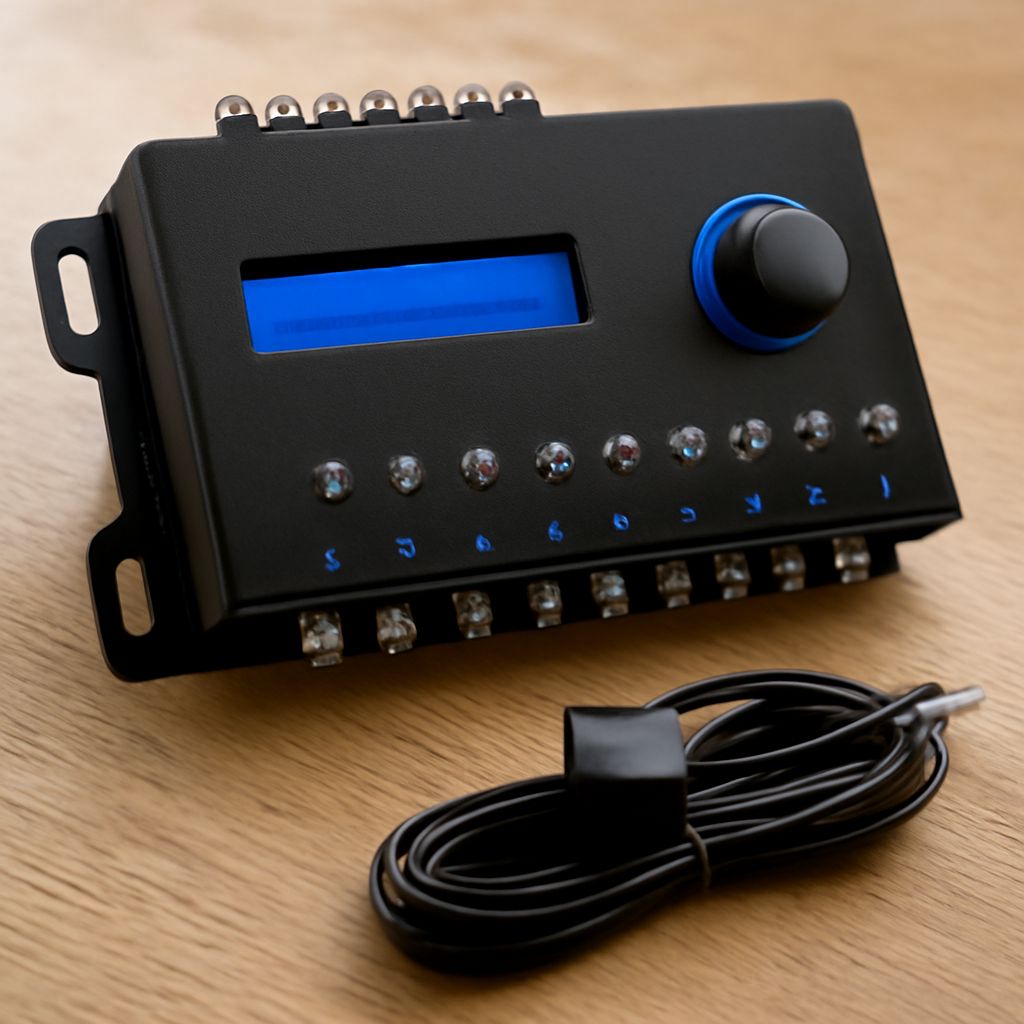
DSP car audio systems utilize digital signal processing technology to modify audio signals and improve the overall sound quality. This technology allows for advanced audio tuning, enabling users to adjust various sound parameters like equalization, time alignment, and crossover frequencies. By doing so, it helps create a well-balanced sound stage that enhances the listening experience.
In contrast to traditional analog systems, a digital signal processor car audio system offers precision in sound customization. Users can easily tailor their audio settings to their preferences, ensuring that each note and instrument is heard clearly and accurately.
The Benefits of Using a Digital Signal Processor in Car Audio
The advantages of integrating a DSP into your car’s audio system are numerous. One significant benefit is improved sound clarity. By reducing distortions and unwanted noise, DSP technology can produce a much clearer and more precise audio output. This is particularly beneficial for those who enjoy listening to complex music genres where sound accuracy is paramount.
Another notable advantage of a digital signal processor car audio system is its ability to offer custom sound profiles. Drivers can create multiple audio presets to suit different types of music or listening environments, making it easier to switch between settings without manual adjustments each time.
How to Choose the Right DSP Car Audio System
Selecting the ideal DSP car audio system requires a bit of research and consideration of personal preferences. Begin by assessing your car’s current audio setup and determining what improvements you hope to achieve. Consider factors such as the number of audio channels you require, the user interface of the DSP software, and compatibility with your existing car audio components.
Look for systems that offer robust features without complicating the user experience. Professional recommendations suggest prioritizing systems with intuitive controls and comprehensive tuning options. A well-chosen DSP system will provide flexibility in sound customization while maintaining ease of use.
Installation Tips for DSP Car Audio Systems
Installing a DSP car audio system can be a rewarding project, but it requires careful planning and execution. To ensure a successful installation, start by reading the manufacturer’s instructions thoroughly. If you’re not confident in your ability to install the system yourself, consider hiring a professional to guarantee optimal results.
When installing, pay attention to the placement of components to avoid interference and achieve the best sound distribution. Secure all wiring and connections to prevent potential issues down the line. Lastly, take the time to calibrate the system properly. Adjusting the DSP settings to suit your vehicle’s acoustics will maximize the benefits of your new audio setup.
Pro tips recap: For the best in-car audio experience, embrace the power of a digital signal processor car audio system. Prioritize sound clarity and customization when selecting your system. If unsure about installation, seek professional assistance to ensure everything is set up correctly. With these steps, you can enjoy a concert-like experience on every drive.