Finding a wavy tread pattern early gives you a chance to address the problem before it affects another tire. A proper fix for cupped tires starts with an inspection of the tires and the vehicle. Knowing which conditions cause tire cupping also helps you give the shop a useful description of what you have noticed.
Cupping can develop gradually, so the first clue may be a change in road noise rather than something you see. Take a few minutes to observe the pattern and collect the vehicle’s service history. Then let a tire professional determine what needs attention.
What Cupping Looks and Sounds Like
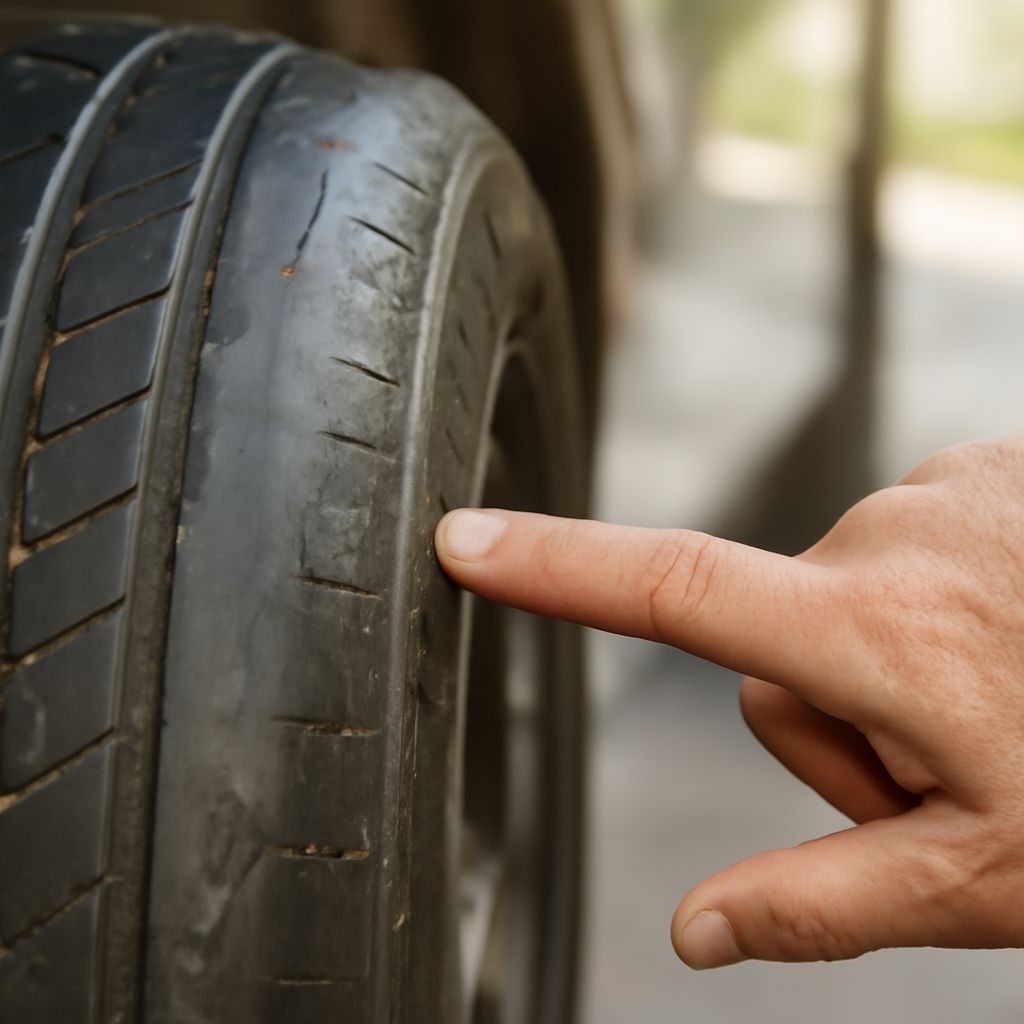
Look across the tread and around the circumference for alternating high and low areas. The dips may resemble a series of shallow scoops. They can appear on the shoulder or across more of the tread. Check all four tires: the pattern may be more pronounced on one wheel than the others, and both front and rear tires can be affected.
Cupping on tires can produce a rhythmic hum or a thumping sound that changes with road speed. You may also feel a vibration through the steering wheel, seat, or floor. Note where you feel it and when it occurs. Road surface and speed can change what you hear, so a sound alone cannot identify the part that needs service.
Compare the pattern with other wear you can see. One shoulder worn much more than the other, for example, calls for an alignment check. A single flat spot has a different shape from repeated dips. A technician can inspect the entire tread and distinguish the patterns, including wear hidden on the inside shoulder.
Park on level ground in a safe place and use a light to examine the visible tread. Do not put yourself under an unsupported vehicle or reach around a moving wheel. Take photos of the affected areas and note each wheel’s position. Leave a full inspection of inaccessible surfaces to the shop.
What Causes Tire Cupping?
A tire meets the road as the wheel turns and the suspension manages movement over bumps. If that contact varies repeatedly, some sections of tread can wear more than others. A wheel-and-tire assembly that is out of balance can create repeated forces as it rotates; worn suspension components can also affect how the wheel moves.
Michelin identifies bent or worn suspension parts, wheel misalignment, and imbalance among possible contributors. The causes of cupped tire wear require inspection to determine which conditions exist on your vehicle. To establish what causes tire cupping, the shop examines the tire and its related components. More than one issue can be present.
Why do tires cup when a vehicle seems to drive normally? Wear can accumulate before a driver notices a change in the ride. A mild hum may blend into ordinary road noise, and tread on the inner side of the wheel is easy to miss. Regular visual checks and scheduled service make changes easier to catch.
To determine what causes tires to cup, a mechanic may inspect shocks or struts, steering and suspension components, wheel condition, and balance. They may also check alignment and tire pressures. These are related checks with different purposes: balance addresses the distribution of mass in the rotating assembly, while alignment concerns the angles at which the wheels are set. A shop can explain the results before recommending work.
When to Stop and Get Help
A visible bulge, exposed cord, or a tire losing air calls for prompt action. Stop in a safe place, avoid driving on the damaged tire, and arrange assistance or a tow for a professional inspection. A bulge can indicate internal damage; air pressure and a quick look at the tread cannot establish that the tire is sound.
If a vibration begins while driving, slow down, move to a safe place, and inspect what you can without putting yourself at risk. Tell the shop about the vibration before continuing; arrange assistance if there is visible damage, air loss, or you cannot determine whether the vehicle can be moved safely. Bridgestone’s safety manual calls for professional evaluation of vibration, bulges, and irregular wear.
For a visible wear pattern without an immediate warning sign, contact a tire shop promptly and describe what you see and feel. Ask whether the vehicle should be brought in or transported. The answer depends on the condition of the tire and the symptoms, not on a universal distance allowance.
Prepare for the Shop Visit
Bring the information that helps a technician reproduce and investigate the symptoms:
- Identify which tire or tires show dips and whether the inner or outer shoulder looks worse.
- Describe when noise or vibration started, where you feel it, and the speeds and road surfaces at which you notice it.
- Mention recent impacts, such as a pothole or curb strike, and any change afterward.
- Provide tire installation dates, rotation history, and records of alignment, balance, or suspension work if available.
- Tell the shop about pressure loss, warning lights, or recent repairs.
Ask the technician to show you the worn areas and explain the inspection findings. If the shop recommends a balance or alignment, ask what was measured and whether any worn or damaged parts need attention first. That conversation turns a mysterious noise into a list of specific findings.
Repair the Cause, Then Assess the Tire
A tire cupping fix begins with identifying and correcting the condition contributing to the wear. Depending on the inspection, that could involve balancing an assembly, repairing worn components, or correcting alignment. The shop should also assess the condition and remaining tread of every affected tire.
The existing dips are a separate matter. Michelin says the worn pattern cannot be reversed. Fixing cupped tire wear means correcting its cause to protect the tires that remain in service and any replacements. A professional can advise whether an affected tire should be replaced based on its wear and condition.
Cupping tires may still make noise after the underlying problem is addressed, so ask what to expect from the particular tires on your vehicle. If replacement is recommended, discuss the appropriate size and specifications for the vehicle and whether other tires should be replaced at the same time. Follow the vehicle manufacturer’s guidance for tire selection and rotation.
If you have scalloped tires or choppy tires, record their positions before any rotation. That detail lets the shop connect the pattern to its service history. It also gives you a useful reference when you check the replacement or remaining tires later.
Before booking, take a clear photo of each affected tread and write down the first time you noticed the noise or vibration. Share both with the shop when you arrange the inspection.