What constitutes a car scratch, and how can one approach fixing it efficiently? As any vehicle owner knows, the appearance of a scratch isn’t just a cosmetic blemish; it can signify a deeper issue requiring careful attention. Understanding how to remove deep scratch from car at home or knowing when to seek professional help can save time and money while maintaining the vehicle’s value.
In this guide, we’ll delve into different types of car scratches, explore methods on how to repair car scratches, and weigh the benefits of professional versus DIY solutions. Whether you’re dealing with light surface marks or deeper grooves, knowing the best practices for each can make a significant difference in the repair process.
Exploring Different Types of Car Scratches
Car scratches can be categorized into several types based on their depth and impact on the vehicle’s surface. Understanding these differences is crucial in assessing how to repair car scratches most effectively.
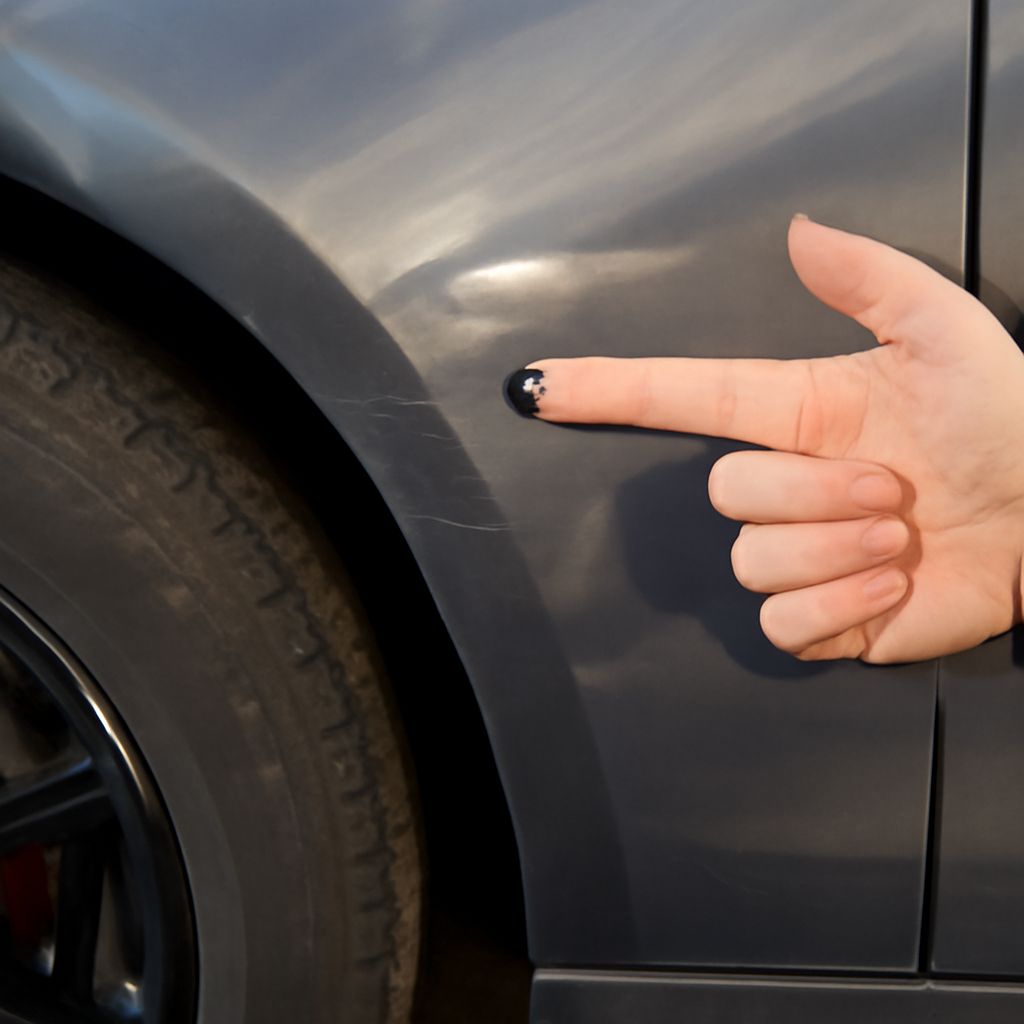
Light surface scratches typically only affect the clear coat of the car’s finish. These are the least severe and can often be buffed out with a simple polishing compound. Moving deeper, medium-depth scratches penetrate the clear coat and may reach the paint itself. These require more attentive care to ensure proper restoration of the car’s finish.
Finally, deep scratches are those that go beyond the paint layer, exposing the metal or plastic beneath. Knowing how to remove deep scratch from car at home can be beneficial, but these scratches often require more intensive repair techniques.
How to Remove Deep Scratch from Car at Home
Gather Your Materials
When tackling deep scratches, preparation is key. Gather essential materials such as a microfiber cloth, scratch repair kit, polishing compound, and possibly touch-up paint if the damage is significant.
Step-by-Step Scratch Removal Process
Begin by cleaning the scratched area thoroughly to remove any dirt and debris. Next, apply the scratch repair kit according to the instructions, using the applicator to fill in the scratch. Once the product has dried, use a polishing compound to blend the repair into the surrounding surface. Buffing the area with a microfiber cloth can help achieve a smooth finish.
In cases where the scratch exposes bare metal, touch-up paint may be necessary to restore the appearance fully. Applying thin layers and allowing adequate drying time between coats will result in a more seamless repair.
Effective Techniques to Repair Car Scratches
Repairing car scratches effectively involves choosing the right technique based on the scratch’s type and severity. For surface scratches, a light polish might suffice, while medium-depth scratches may need specialized products designed to fill and level the affected area.
Deep scratches often demand a more comprehensive approach. Professional-grade tools and materials can provide more durable results. It’s essential to follow professional standards closely, ensuring that each step is executed with precision to maintain the car’s aesthetic integrity.
Professional vs DIY: Which is Right for You?
Deciding between professional repair services and DIY methods depends on several factors, including the scratch’s severity, your skill level, and budget considerations.
Opting for professional repair services ensures expert handling and often guarantees the best outcome, particularly for severe scratches. Professionals are equipped with specialized tools and have the experience needed to address complex damages efficiently.
Conversely, DIY methods can be cost-effective, especially for minor scratches or if you possess some expertise in car maintenance. However, it’s crucial to assess whether the necessary tools and skills are available to achieve a quality repair. While knowing how to remove deep scratch from car at home is advantageous, it may not always be the ideal choice for intricate damages.
Pro tips recap: Always identify the type of scratch before proceeding with repairs. Gather the right materials and follow professional standards for best results. Consider the pros and cons of DIY versus professional repairs to make an informed decision tailored to your situation.