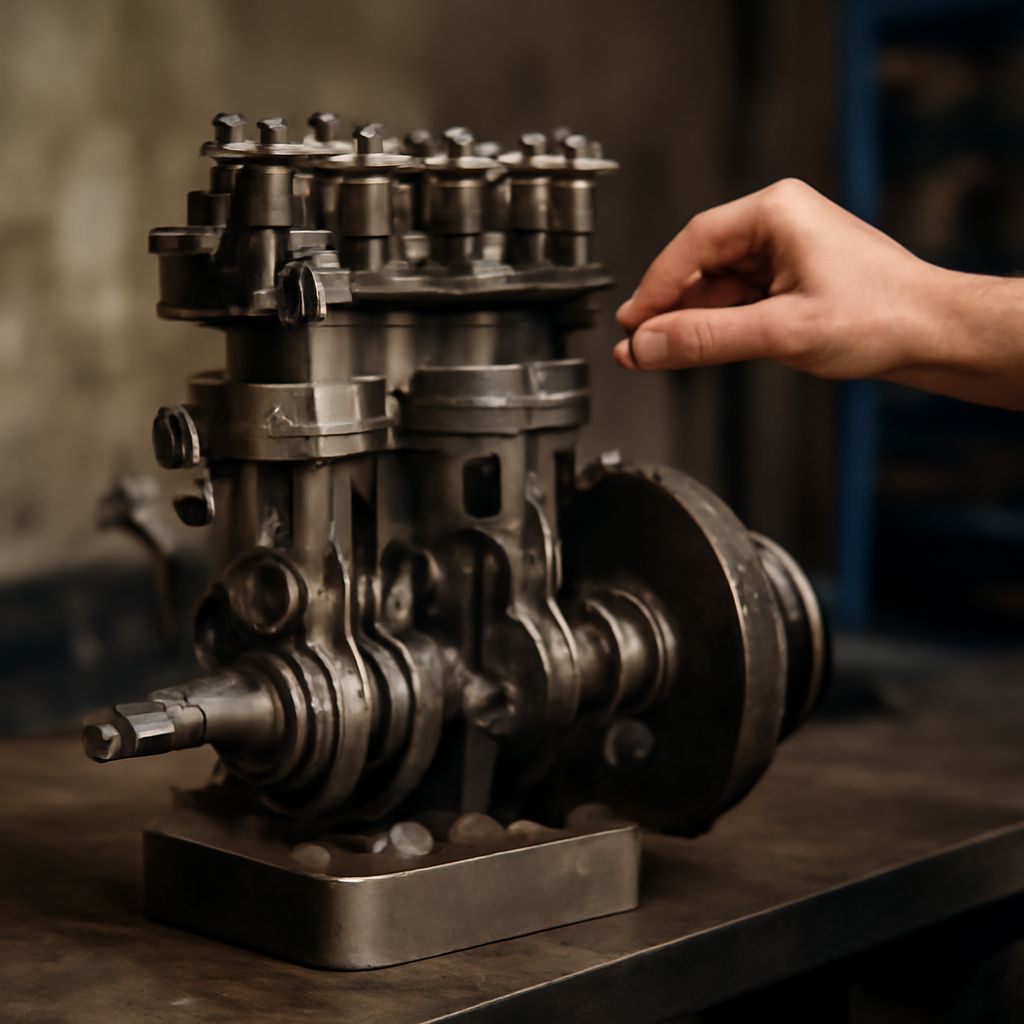
Have you ever wondered what makes a car run smoothly or how each part contributes to its overall functionality? Understanding car parts names and their functions can be quite overwhelming, especially for those new to automotive concepts. Yet, gaining a clear grasp of these components is essential, whether you’re performing maintenance or simply striving to be a more informed car owner. With the help of a comprehensive car diagram, you’ll become familiar with key components such as the engine, transmission, and suspension, and learn about their vital roles in ensuring your vehicle operates efficiently.
Knowing the parts of a car isn’t just about identifying them; it’s about understanding their interconnected roles and recognizing how each contributes to the vehicle’s performance. This guide will delve into the specifics of car parts names, exploring the essential components that keep your car in top condition. By the end, you’ll have a thorough understanding of car components and how they work together harmoniously.
Introduction to Car Parts Names
The automotive world is vast, filled with numerous parts and complex systems, each with its unique function. Car parts names provide a way to categorize and identify these components, offering insight into how a vehicle operates from the inside out. From the exterior to the intricate internal systems, every part has a specific name and purpose. Recognizing these names not only aids in communication with professionals but also enhances one’s ability to troubleshoot issues independently.
Exploring the Parts of a Car
Diving into the parts of a car reveals a fascinating interplay between technology and engineering. Each car component plays a crucial role, from the body panels that provide structure and protection to the sophisticated electronics that manage everything from engine performance to climate control. The engine, often seen as the heart of the car, works in tandem with the transmission to propel the vehicle forward, showcasing the complexity and precision of automotive design.
The suspension system, another key player, ensures a smooth ride by absorbing shocks from the road. Meanwhile, the braking system provides the necessary force to halt the vehicle safely. Understanding these parts of a car allows for a deeper appreciation of the technical prowess involved in automotive manufacturing.
Using a Car Diagram to Identify Components
A car diagram serves as a valuable tool in pinpointing and understanding various car parts names. By visually mapping out the vehicle’s components, a diagram offers a clear perspective on where each part is located and how it connects within the overall system. This visual aid is particularly beneficial for those new to automotive maintenance, providing a straightforward method to identify components during repairs or inspections.
Diagrams typically include illustrations of the engine, transmission, suspension, and other essential systems, allowing for a comprehensive overview. By utilizing these diagrams, individuals can enhance their knowledge of car components and confidently communicate with technicians, ensuring more effective and informed maintenance practices.
Common Car Components and Their Functions
When examining a vehicle’s anatomy, certain components are universally recognized for their importance. The engine, responsible for powering the car, converts fuel into mechanical energy. The transmission system manages the engine’s power, adjusting the vehicle’s speed and torque as needed. Meanwhile, the suspension system supports the vehicle’s weight and smooths the ride, ensuring comfort and stability.
Beyond these, the braking system is critical for safety, utilizing various parts to reduce speed or stop the car altogether. Finally, the electrical system, including parts such as the battery and alternator, powers the vehicle’s electronics, from lights to infotainment systems. Understanding these car components reinforces the significance of each part in the overall function of the vehicle.
As automotive technology continues to evolve, the interconnectedness of these systems becomes increasingly intricate, making it essential for car owners to remain informed about the latest developments in car technology and maintenance practices.
Next Steps
To maintain your car effectively, it’s crucial to stay informed about the parts of a car and their functions. Regularly reviewing a car diagram can reinforce your understanding and help identify areas requiring attention. Consider taking part in workshops or online courses focused on automotive maintenance to further enhance your knowledge. Staying proactive with routine checks and maintenance not only prolongs the life of your vehicle but also ensures safety and optimal performance.