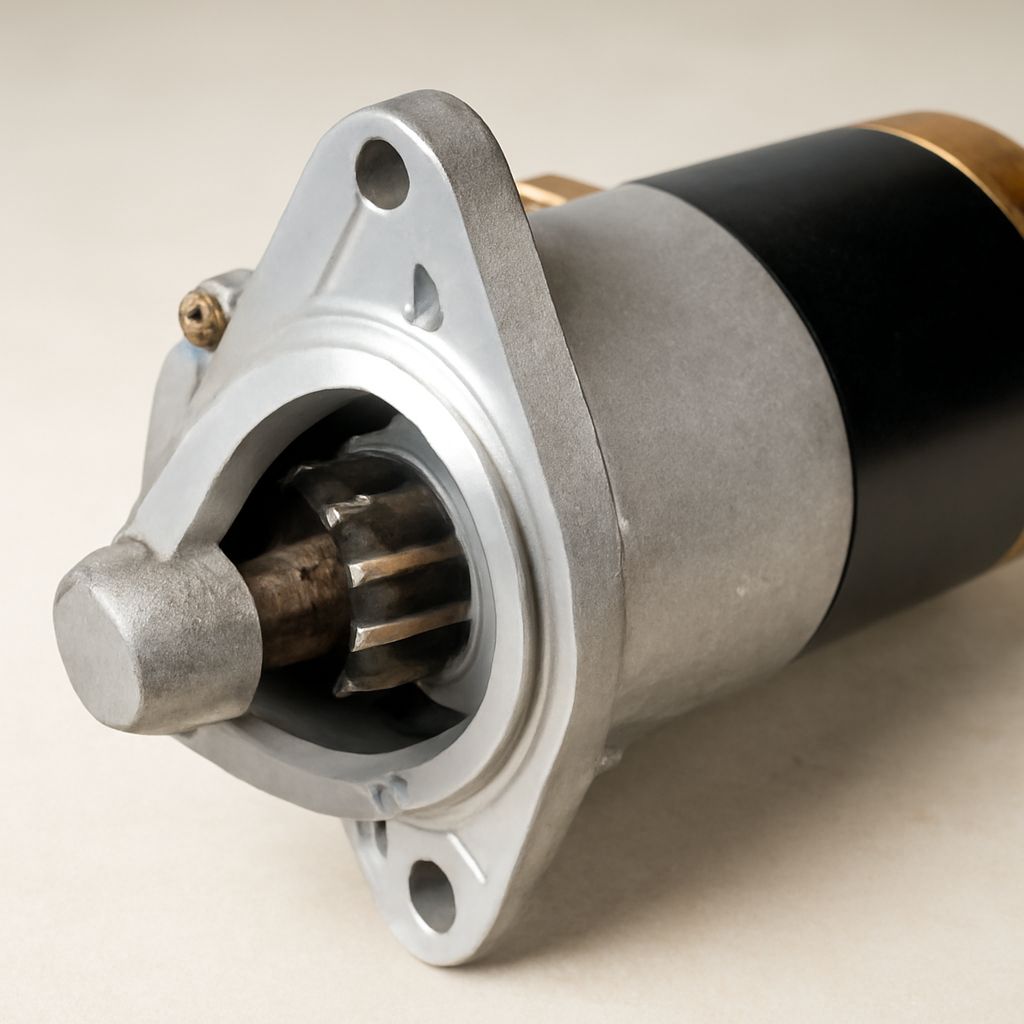
Have you ever faced the frustration of turning your car key, only to be met with silence? Car starter issues can leave you stranded at the most inconvenient times. Understanding the intricacies of car starter replacement and installation can save you time and money. Whether you’re wondering how long a car starter lasts or how to use a remote car starter effectively, having a clear guide can make all the difference.
Understanding Car Starter Issues
The car starter is a vital component of your vehicle’s ignition system. Without it, starting your car can become a challenge. Common car starter problems include a clicking noise when turning the key, the engine not cranking, or intermittent starting issues. These symptoms often point to worn-out parts, electrical faults, or a dead battery, which might necessitate a car starter replacement.
To diagnose these issues, one should examine the battery, wiring, and connections. Often, cleaning the battery terminals or inspecting the starter relay can resolve minor issues. For persistent problems, professional inspection is recommended to avoid misdiagnosis.
Steps for Car Starter Replacement
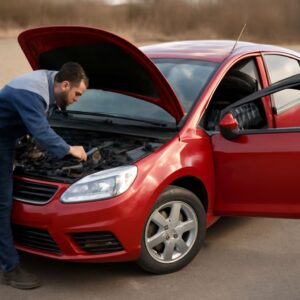
Replacing a car starter can be straightforward if approached methodically. First, ensure the car is on a flat surface and the ignition is off. Disconnect the battery to prevent any electrical hazards. Locate the starter, usually positioned between the engine and transmission. Remove the mounting bolts and electrical connections from the old starter.
Install the new starter by reversing these steps. Ensure all connections are secure to prevent electrical faults. Once installed, reconnect the battery and test the starter. Successful car starter replacement should result in a smooth ignition process.
Car Starter Installation Tips
When undertaking a car starter installation, attention to detail is crucial. Use the correct tools to avoid damaging components. Always refer to the vehicle’s service manual for specifications unique to your car model. Consider consulting a professional if unsure, as incorrect installation can lead to further issues.
Maintaining a clean work area will help prevent dirt and debris from interfering with the car starter installation process. Additionally, testing the starter before fully reassembling the engine area can save time if adjustments are needed.
How Long Does a Car Starter Last?
The lifespan of a car starter typically ranges from 100,000 to 150,000 miles, depending on usage and maintenance practices. Regularly checking the starter and surrounding electrical systems can prolong its life. Issues such as frequent short trips can reduce longevity, as they increase the number of start cycles.
Routine maintenance, including keeping the battery and alternator in good condition, will support the starter’s effectiveness. If symptoms of failure appear, early intervention can prevent more extensive damage and ensure the car starter lasts as long as possible.
How to Use a Remote Car Starter
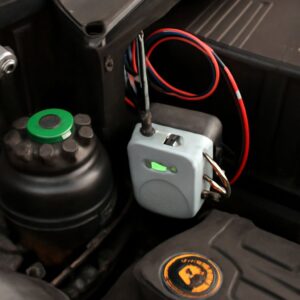
Remote car starters offer convenience, especially in extreme weather conditions. To use a remote car starter effectively, ensure the vehicle is in park with the doors fully closed. Press the remote start button, typically twice, to initiate the process. The engine should start, allowing the vehicle to warm up or cool down depending on the season.
Understanding the limitations and features of your specific remote car starter is essential. Some models allow for setting temperature preferences or adjusting idle times. Always ensure the vehicle is in a safe environment when using a remote start to prevent any accidental hazards.
Next steps: Regular maintenance and timely car starter replacements are key to preventing ignition issues. Familiarize yourself with your car’s starter system, and consult a professional for guidance on complex installations. By following these best practices, you can enhance your car’s reliability and efficiency.