Does your car make a noise when you turn on the AC, leaving you wondering about potential underlying issues? When my car makes noise like screeching or squealing, especially when starting, it can be a sign of various mechanical problems. Understanding these sounds is crucial for maintaining your vehicle’s performance and preventing further damage.
This article will guide you through the common causes of car AC noise, provide tips for diagnosing the noise when starting your car, and explain why these sounds occur, particularly in cold weather or when backing up. Recognizing these issues early can save time and money on repairs.
Common Causes of Car AC Noise
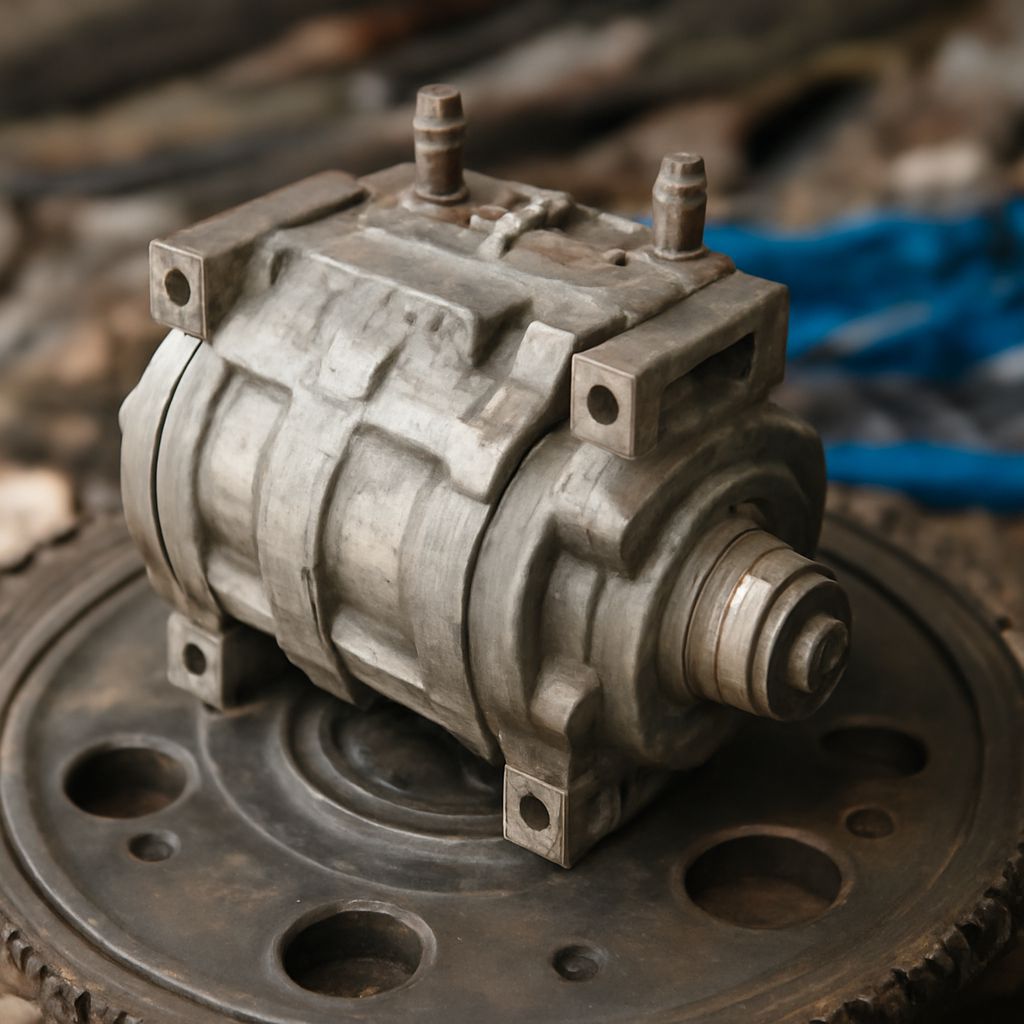
One primary reason the car AC makes noise when turned on is due to a failing AC compressor. The compressor, which circulates refrigerant throughout the system, can produce a loud noise if its internal components are worn out or damaged. Another common cause is a worn-out serpentine belt. This component is responsible for driving various engine accessories, and when it becomes loose or damaged, it can create a screeching sound.
Additionally, the car AC might also produce noise if there are issues with the blower motor. The blower motor is responsible for pushing air through the vents, and any obstruction or worn bearings can result in a noticeable humming or rattling sound. If my car makes noise like a rattling, it might indicate a loose or damaged component within the AC system.
Diagnosing the Noise When Starting Your Car
When your car makes noise when starting, it is essential to identify the sound’s origin. Begin by starting the car and listening closely to the type of noise produced. A screeching noise often points to a belt issue, while a clicking sound may suggest a problem with the starter motor or electrical connections.
If the noise occurs mainly when starting the car’s AC, scrutinize the AC components. Inspect the serpentine belt for wear, and check for any visible damage or looseness. If necessary, consult a professional to assess the AC compressor and blower motor, as specialized tools might be required for a thorough evaluation.
Understanding Screeching Noises in Cold Weather
Cold weather can exacerbate existing issues within the vehicle, causing screeching noises during startup. The rubber components, such as the serpentine belt, become less pliable in colder temperatures, increasing the likelihood of slippage and noise. A squealing noise might also result from a cold engine struggling with lubrication until the oil circulates properly.
To mitigate these issues, ensure regular maintenance of the vehicle, including checking the belt tension and condition. Additionally, using the right type of oil for cold weather can reduce friction and wear on engine components, minimizing noise when starting the car.
Why Your Car Squeals When Backing Up
Sometimes, a car may produce a squealing noise when backing up. This sound is often due to brake issues. If my car makes noise like squealing in reverse, it could mean the brake pads are worn or the brake components are misaligned. The sound might also indicate dirt or rust on the brake rotors.
Addressing brake-related noise involves inspecting the braking system, including the pads, rotors, and calipers. Regularly cleaning and servicing the brakes can prevent squealing and ensure safe operation. If the noise persists, a professional should examine the braking system for possible replacement of worn parts.
Next steps: Regular maintenance is vital to prevent and address noises from your car AC and other components. Schedule routine checks, especially before seasonal changes, to ensure all parts are in working order. If any unusual sounds persist, consider consulting a professional for a detailed inspection. Keeping the vehicle well-maintained can avoid costly repairs and ensure a quieter, smoother drive.