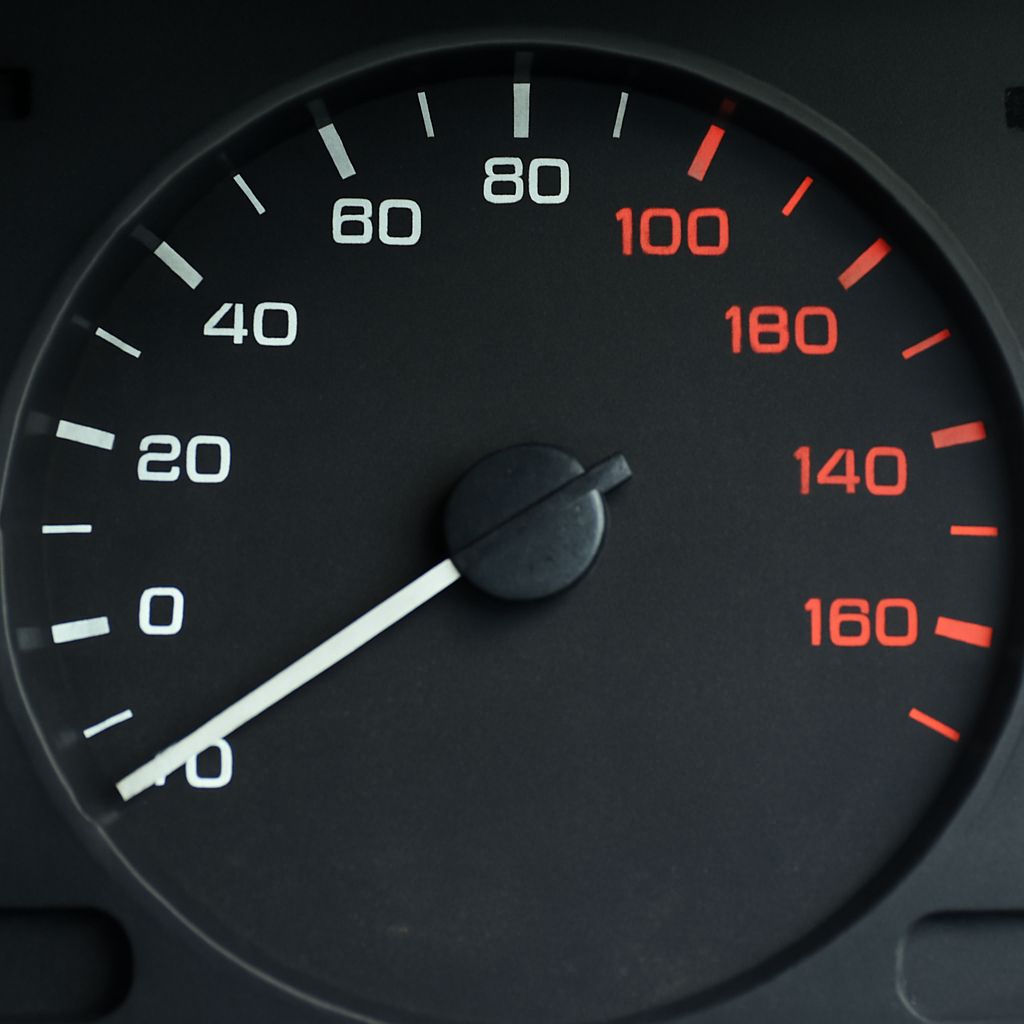
When purchasing a used car, one of the most critical factors to consider is the vehicle’s mileage. But how many miles should a car have when buying used? This question often arises because mileage directly impacts a car’s condition and value. Understanding how many miles are too many and what constitutes acceptable mileage for a used car can significantly influence your buying decision.
Many potential buyers are unsure about the implications of a car’s mileage and how it affects the vehicle’s lifespan. By learning about used car mileage and considering various factors, such as age and maintenance history, you can make an informed decision and ensure a satisfactory purchase.
Understanding Mileage in Used Cars
Mileage in used cars is a reflection of the distance a vehicle has traveled since it was manufactured. It serves as a rough indicator of the wear and tear a car has undergone. Typically, the average driver covers about 12,000 to 15,000 miles annually. Therefore, a used car with significantly lower mileage than this range may indicate less usage, while higher mileage might suggest extensive use.
However, mileage is not the sole determinant of a car’s condition. It’s essential to consider other aspects, such as how the car was driven and maintained. Regular maintenance can mitigate the effects of high mileage, whereas poor upkeep can deteriorate a vehicle regardless of low mileage.
How Many Miles Should a Car Have?
When buying a used car, assessing how many miles it has is crucial. Generally, a car with fewer than 60,000 miles is considered relatively new for its age. Cars with mileage between 60,000 and 100,000 miles are typically in their mid-life, assuming they have been well-maintained. Vehicles exceeding 100,000 miles may still provide value but require a more thorough inspection of their service history.
There is no definitive answer to how many miles are too many when buying a used car, as each vehicle’s longevity depends on its make, model, and maintenance. Some brands are known for their durability and can remain reliable well beyond 100,000 miles, while others might face significant issues at lower mileage.
Factors Affecting Used Car Mileage
Several factors can influence a used car’s mileage and its impact on the vehicle’s condition. Firstly, the environment in which the car was driven plays a role. Cars frequently driven in harsh conditions, such as extreme temperatures or rough terrain, may experience more wear than those used in milder environments.
Secondly, the type of driving—whether mostly city or highway—can affect the vehicle’s wear and tear. Highway miles are generally less taxing on a car compared to city driving, which involves frequent stops and starts. Lastly, regular maintenance is crucial. A well-maintained car with higher mileage might be a better option than a poorly maintained one with lower mileage.
Making an Informed Decision on Mileage
To make an informed decision on mileage when buying a used car, it’s vital to look beyond the odometer reading. Request a comprehensive vehicle history report to check for consistent maintenance and any past issues. Consider enlisting the help of a professional mechanic to conduct a pre-purchase inspection, evaluating the vehicle’s condition and potential future repairs.
Additionally, it’s beneficial to understand the typical lifespan of the make and model being considered. Research the reliability ratings and common issues associated with the vehicle. This knowledge will help determine if the car’s current mileage is a point of concern or if the vehicle is likely to provide many more miles of reliable service.
Making an informed decision on a used car’s mileage involves considering all these aspects and balancing them with your budget and needs. By doing so, you can ensure that you select a vehicle that offers value and reliability.
Next steps: Once you’ve assessed a potential used car’s mileage, ensure regular maintenance and timely service to maintain its performance and extend its lifespan. Stay informed about common issues and stay proactive in addressing them, keeping the vehicle reliable for years to come.