Why won’t my car start in the cold? This frustrating question often arises when temperatures drop and automobiles refuse to cooperate. Cold weather can significantly affect your car’s ability to start, leaving drivers stranded and searching for answers. Understanding why your car won’t start in cold weather is crucial for addressing these issues and ensuring reliability during colder months.
There are various reasons why your car may struggle to start in cold weather. These include the impact of low temperatures on the battery, engine oil, and fuel system. Identifying and understanding these common causes can help you find effective solutions and prevent future car starting issues when the mercury falls.
Understanding Why Cold Weather Affects Your Car
Cold weather can put your car at a disadvantage. When temperatures drop, the chemical reactions inside your car’s battery slow down, reducing its ability to provide the necessary power to start the engine. Additionally, engine oil thickens in cold temperatures, making it harder for the engine to turn over. Fuel systems can also be compromised, with moisture freezing and causing blockages.
Common Reasons Your Car Won’t Start in the Cold
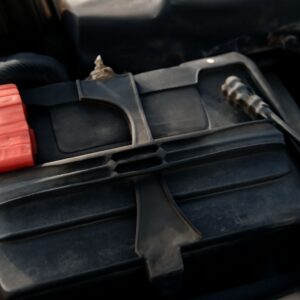
One of the primary reasons your car won’t start in cold weather is a weakened battery. Batteries lose power in lower temperatures, making it difficult to deliver the needed energy. Another common culprit is the thickness of engine oil, which can prevent the engine from turning over smoothly. Furthermore, moisture in the fuel lines can freeze, leading to blockages that impede fuel flow, causing the car not to start.
Other factors contributing to car starting problems in cold weather include faulty spark plugs and issues with the ignition system. Spark plugs may fail to generate the spark necessary to ignite the engine, while a malfunctioning ignition system can prevent the engine from starting altogether. Recognizing these common reasons can guide you toward possible fixes and preventive measures.
How to Prevent Car Starting Problems in Cold Weather
Preventive measures can help ensure your car starts reliably in cold weather. Regular maintenance checks can identify potential issues before they become serious problems. Ensuring your battery is in good condition and replacing it if necessary is essential. Consider using a battery warmer to maintain optimal performance.
Switching to a winter-grade engine oil can improve the engine’s ability to start in colder temperatures. Additionally, keeping your fuel system clean and free of moisture can prevent blockages. Parking your car in a garage or sheltered area can also protect it from extreme cold, reducing the likelihood of starting problems.
What to Do When Your Car Won’t Start in Cold Weather
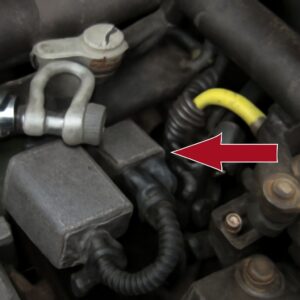
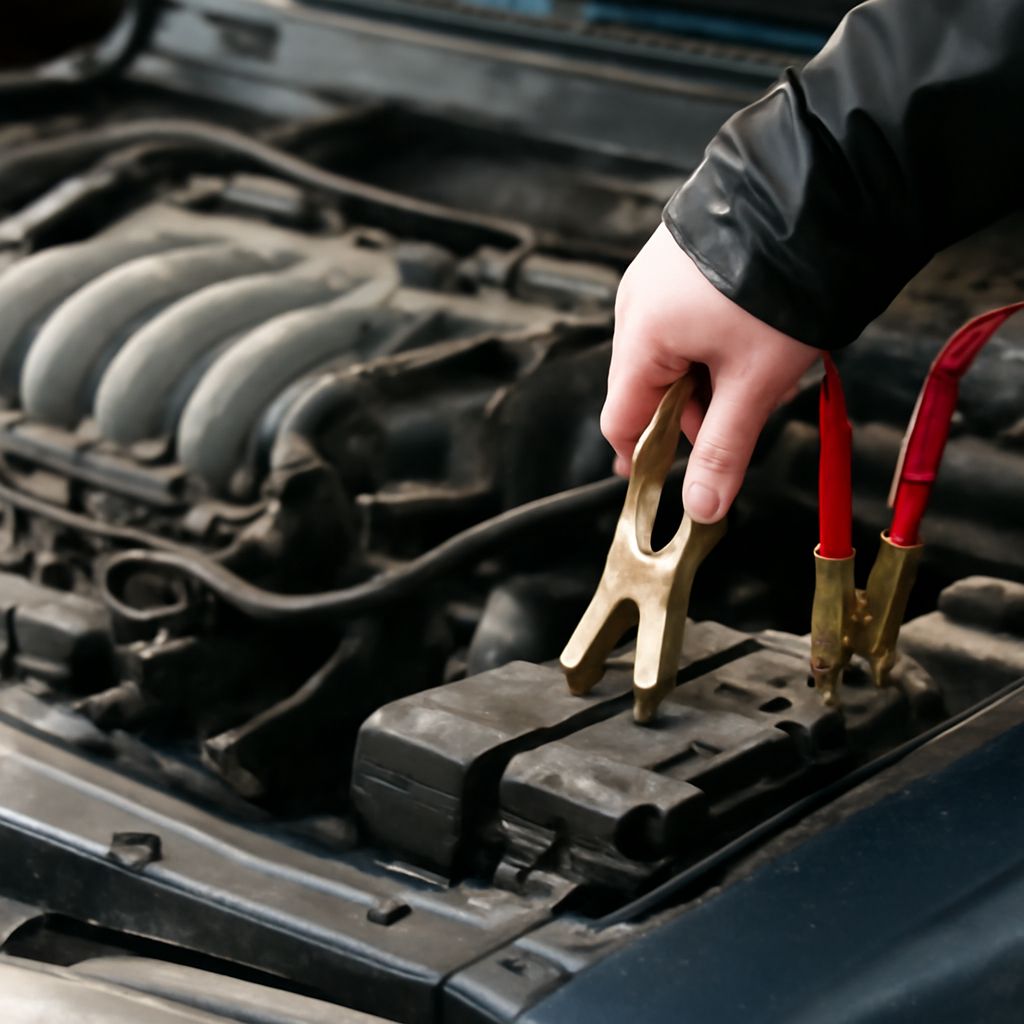
If your car won’t start in cold weather, there are several steps you can take to address the issue. First, check the battery for any signs of weakness or corrosion. Jump-starting the car may be an immediate solution if the battery is drained. However, ensure that the battery is suitable for jump-starting before proceeding.
Next, verify the condition of your engine oil. If it’s too thick, consider warming the engine or changing to a more suitable oil. Inspect the fuel lines for any blockages that may have formed due to freezing. If necessary, use a fuel line antifreeze to prevent future clogs.
Finally, examine the spark plugs and ignition system for any issues. Replacing faulty components may resolve the problem and ensure your car starts smoothly. Consulting a professional mechanic can also be beneficial, especially if you’re unsure about the specific cause of the issue.
Key takeaways: Cold weather can significantly impact your car’s ability to start due to a weakened battery, thickened engine oil, and blockages in the fuel system. Regular maintenance and preventive measures can help mitigate these issues. When problems arise, addressing battery, oil, and ignition concerns can provide immediate solutions.