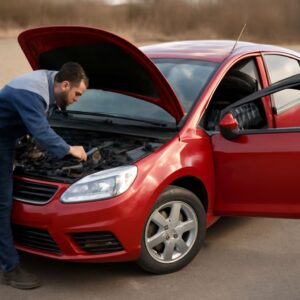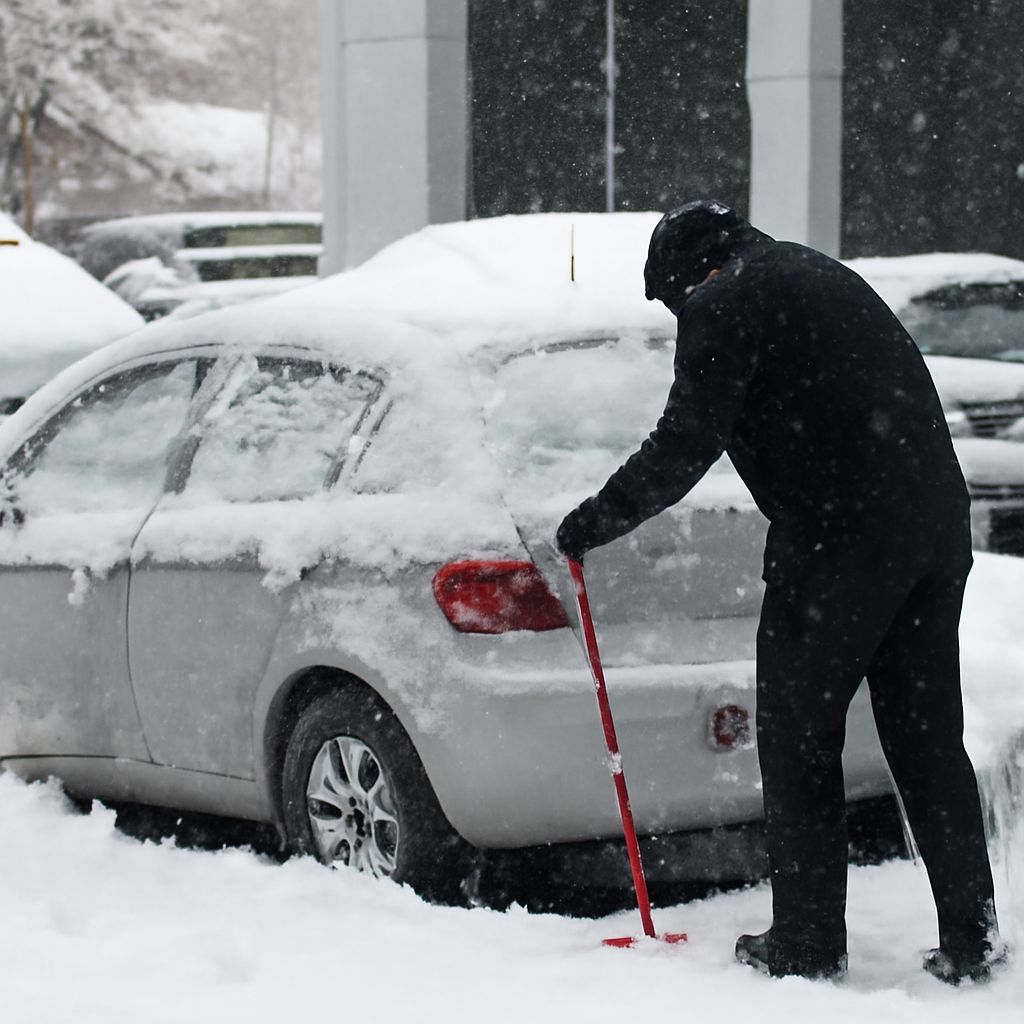
Have you ever found yourself rushing out the door on a freezing winter morning only to discover that your car won’t start in the cold? This unnerving scenario is more common than one might think, leaving many drivers stranded and frustrated. If your car won’t start in cold weather, understanding the underlying causes and solutions can save you not only time but also the stress of being late. Below, we delve into why a car might not start in the cold, the common causes, and solutions you can apply to fix this issue.
Understanding Why Your Car Won’t Start in Cold Weather
The cold weather presents unique challenges to your car’s starting mechanisms. A car not starting in the cold can often be attributed to a combination of factors that impact various components of your vehicle. When temperatures drop, the chemical reactions within your battery slow down, reducing its ability to generate power. Additionally, the oil in your car thickens, making it harder for the engine to turn over.
Cold weather can also cause fuel lines to freeze, preventing fuel from reaching the engine. Understanding these interactions can help you pinpoint why your car won’t start in cold weather and guide you toward effective solutions.
Common Causes of a Car Not Starting in the Cold
Several key factors can lead to a car not starting in cold conditions. First, a weak or dead battery is the most frequent culprit. Batteries naturally lose power over time, and the cold can exacerbate this decrease in efficiency. If your car won’t start in cold conditions, checking the battery should be your first step.
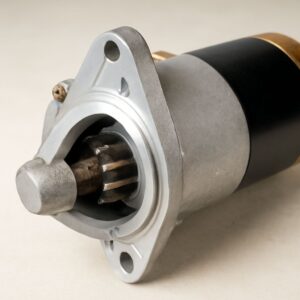
Another common cause is thickened oil, which makes it difficult for engine parts to move smoothly. If your car won’t start when cold, consider whether your vehicle’s oil type is suitable for winter conditions. Fuel line freezing is another potential issue, as water vapor in the lines can freeze and block fuel flow. Finally, faulty starter motors or alternators may also prevent your car from starting in cold temperatures.
Solutions to Get Your Car Starting in Cold Conditions
To address issues when your car won’t start in the cold, begin by checking the battery. Ensure that it is fully charged and capable of holding a charge. If necessary, replace an old or weak battery with one designed for cold climates. Additionally, using the correct oil viscosity for winter can make a significant difference in how your engine starts.
If you suspect fuel line freezing, try using a fuel line antifreeze treatment. These products can help prevent moisture from freezing within the lines. Moreover, ensuring that your starter motor and alternator are in good condition can prevent starting issues. Regular maintenance and inspections can identify potential problems before they leave you stranded.
Preventive Measures to Avoid Cold Starting Issues
Preventive measures can significantly reduce the chances of facing a situation where your car won’t start in cold weather. Begin with regular battery checks and replace batteries that show signs of wear before winter arrives. Using engine block heaters can also keep your engine warm, making it easier to start on cold mornings.
Ensure your vehicle is equipped with the correct oil for winter conditions and consider using an additive to keep fuel lines clear of ice. Regular maintenance checks, including inspecting the starter motor and alternator, can help identify issues before they escalate. By understanding these preventive measures, you can minimize the chances of your car not starting in cold conditions.
Next Steps: Maintaining your vehicle’s health during winter months requires vigilance and proactive measures. Regularly check your battery, oil, and fuel systems to ensure everything is in optimal condition. Should any issues arise, consult with a professional to prevent further damage and ensure your car is ready to face the cold with ease.