How often should you replace a car battery? This is a common question among vehicle owners, and knowing the answer is crucial to maintaining a reliable vehicle. A car battery doesn’t last forever, and neglecting to replace it at the right time can lead to unexpected breakdowns. In this article, we will explore the average lifespan of a car battery and provide insights on when it’s time for a replacement. Additionally, we’ll discuss factors that affect battery life and share practical tips for extending your car battery’s life.
Understanding Car Battery Lifespan
The lifespan of a car battery can vary significantly based on several factors, including usage patterns and environmental conditions. On average, a typical car battery lasts between three to five years. However, understanding these variances can help vehicle owners plan for when to change the battery proactively.
Car batteries gradually lose their ability to hold a charge over time. Regular use, along with exposure to extreme temperatures, can accelerate this process, reducing their effective lifespan. Therefore, it’s important to monitor the battery’s performance and replace it before it fails.
How Often Should You Replace a Car Battery?
Many professionals recommend replacing a car battery every three to five years, even if it appears to be functioning adequately. Regular testing can help determine the health of the battery, ensuring it doesn’t fail unexpectedly.
Factors such as climate and driving habits play a significant role in deciding how often you should replace your car battery. Frequent short trips or extreme weather conditions can necessitate more frequent replacements. Thus, vehicle owners should consider these aspects when deciding when to change their battery.
Signs It’s Time to Replace Your Car Battery
Knowing the signs that indicate a failing battery can prevent inconvenient breakdowns. Common indicators include difficulty starting the engine, dim headlights, and an illuminated check engine light. Additionally, if the battery is more than three years old and exhibits these symptoms, it might be time for a replacement.
Corrosion around the battery terminals and a bloated battery case are physical signs that it’s time to replace a car battery. Regular inspections can help spot these issues early, allowing for timely intervention.
Factors Affecting Car Battery Life
Several factors can impact the longevity of a car battery. Temperature extremes are one of the most significant factors. Heat can cause the fluid inside the battery to evaporate, while cold can increase the demand for battery power during engine start-up.
Driving habits also affect battery life. Frequent short trips do not allow the battery to fully recharge, which can lead to premature failure. Similarly, leaving electronic devices plugged in when the engine is off can drain the battery, reducing its lifespan.
Tips for Extending Your Car Battery’s Life
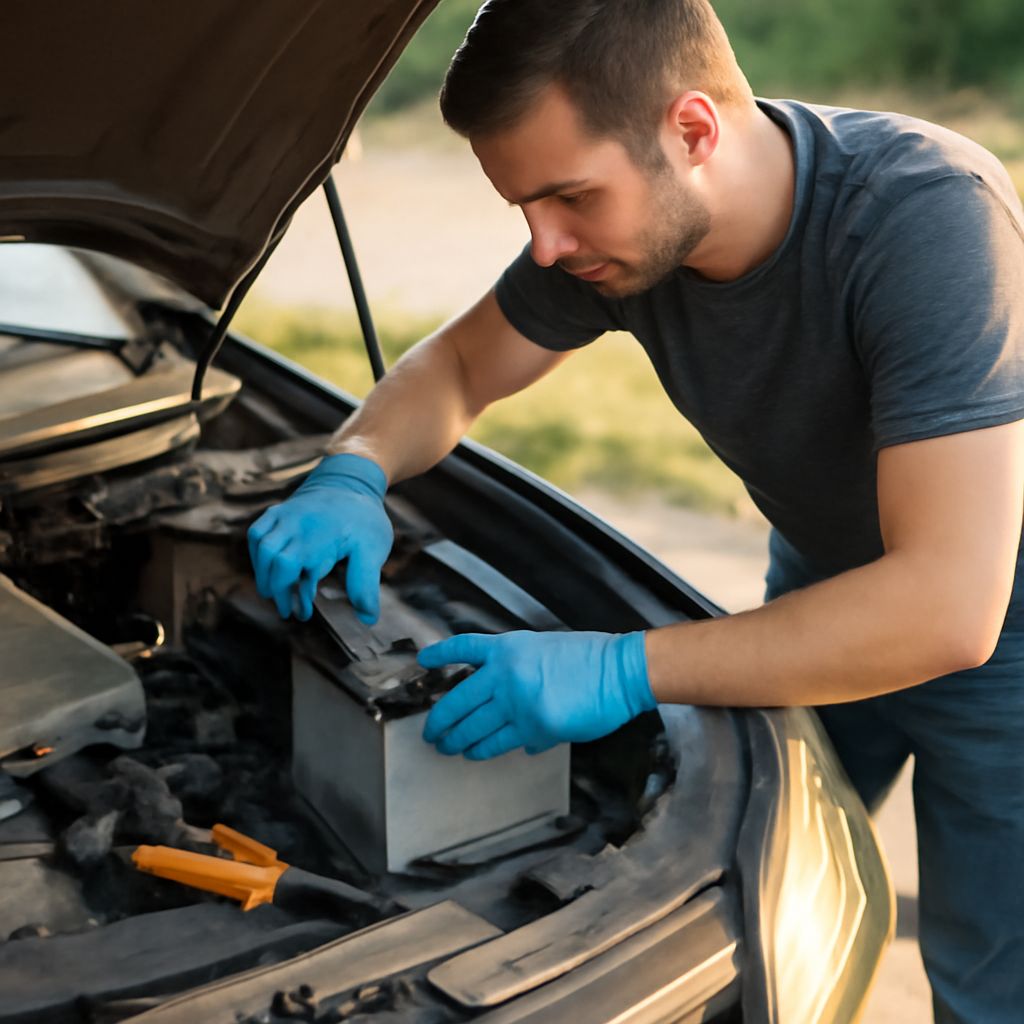
Proper maintenance is key to prolonging the life of your car battery. Regularly cleaning the battery terminals and ensuring they are free from corrosion can enhance performance. Additionally, ensuring that the battery is securely fastened reduces the risk of vibration-related damage.
Using a battery maintainer or trickle charger can keep the battery in good condition, especially during infrequent use or storage. These devices help maintain an optimal charge, preventing depletion during periods of inactivity.
Conclusion: When to Change Your Car Battery
In conclusion, knowing how often to replace a car battery and recognizing the warning signs of battery failure are essential for maintaining vehicle reliability. By understanding the factors that affect battery life and adopting practices to extend its lifespan, vehicle owners can minimize the risk of unexpected breakdowns.
Next steps: Regular checks and proactive maintenance can help ensure your battery serves you well. Consider scheduling routine battery tests and inspections with a professional to stay ahead of potential issues.