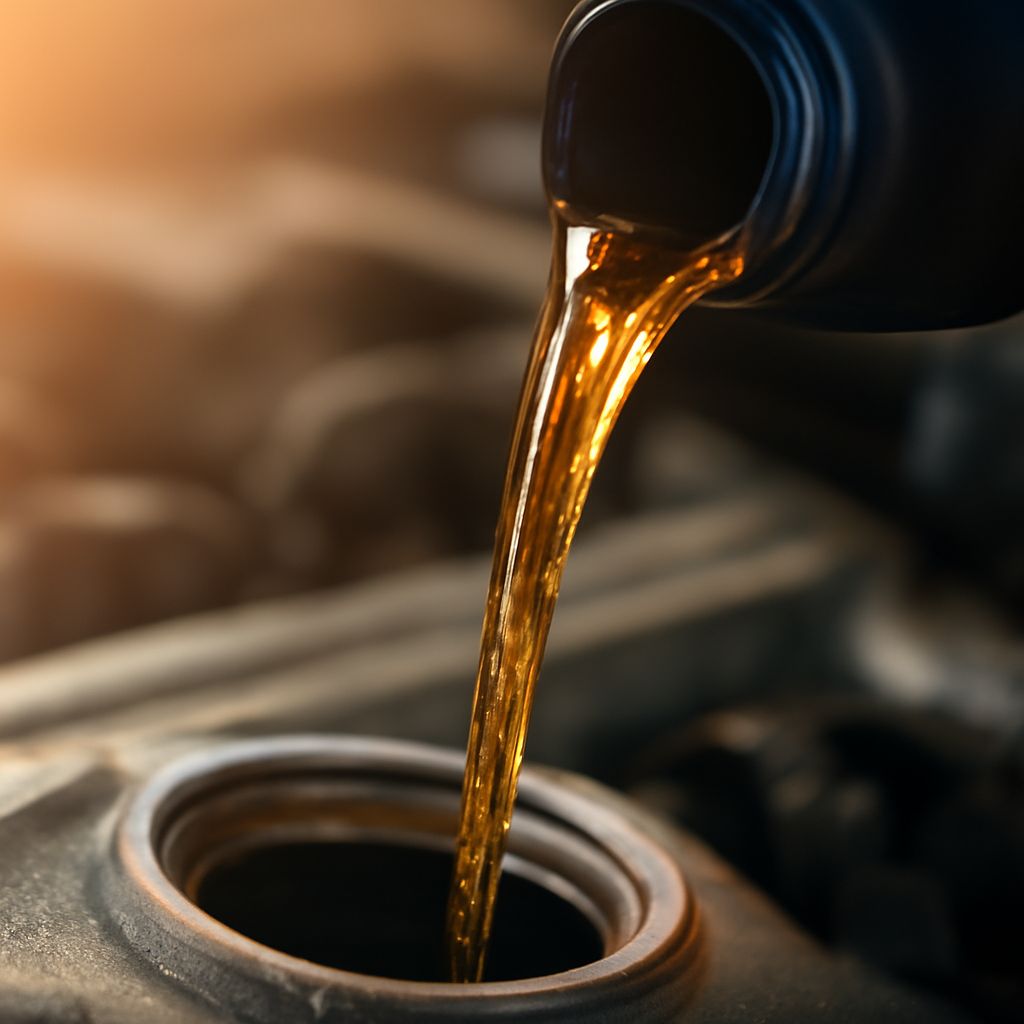
Are you wondering whether synthetic oil or conventional oil is the better choice for your vehicle? With an array of options available, it’s crucial to navigate the complexities of car maintenance and fuel optimization. Discovering the best gas for your car can significantly enhance performance and efficiency. Additionally, exploring whether chipping your car or using ethanol-free gas is worth the investment can lead to longer-lasting engine health.
To make informed decisions, it’s essential to understand how these choices affect fuel efficiency, engine performance, and overall costs. This article delves into the benefits of synthetic oil, evaluates the types of gasoline available, and examines whether chipping your car or opting for ethanol-free gas is advantageous.
Is Synthetic Oil Better for Your Car?
Benefits of Synthetic Oil
Synthetic oil offers several advantages over traditional motor oils. It is engineered to provide superior lubrication, which reduces engine wear and extends the lifespan of your vehicle. One of the primary benefits of synthetic oil is its ability to perform well under extreme temperatures, making it ideal for both hot summers and cold winters.
Comparing Synthetic and Conventional Oils
When comparing synthetic oil to conventional oil, one finds that synthetic oils generally offer better overall engine protection. Conventional oils may be sufficient for some vehicles, but synthetic formulations are designed to protect engines under more demanding conditions. Despite the higher cost, the longer intervals between oil changes can offset the price difference, making synthetic oil a cost-effective choice for many drivers.
Choosing the Best Gas for Your Car
Types of Gasoline Available
Understanding the types of gasoline available is crucial for selecting the best gas for your car. Regular, mid-grade, and premium gasoline options each have different octane levels, affecting engine performance. Choosing the correct octane rating as recommended by your vehicle’s manufacturer can enhance efficiency and prevent engine knocking.
Factors to Consider for Optimal Performance
Several factors should be considered when selecting the best gas for your car. Besides octane levels, ethanol content is a significant consideration. While most gasoline contains some ethanol, ethanol-free gas is preferred by some drivers due to its potential to improve fuel economy and reduce engine wear. Always consult your manufacturer’s guidelines to determine the optimal gasoline for your vehicle.
Exploring the Option to Chip Your Car
What is Car Chipping?
Car chipping involves modifying your vehicle’s electronic control unit to enhance performance. This process, known as tuning, can increase horsepower and torque, offering a more responsive driving experience. However, it is essential to understand how these modifications can impact your car’s warranty and longevity.
Pros and Cons of Chipping
The decision to chip your car involves weighing the benefits against potential drawbacks. While increased performance and fuel efficiency are appealing, chipping can lead to increased wear and tear on the engine. It may also affect your vehicle’s emissions, which can have legal implications. Careful consideration and professional guidance are recommended before pursuing this option.
Is Ethanol-Free Gas Better for Your Car?
Understanding Ethanol-Free Gas
Ethanol-free gas is appealing to some due to its potential to improve engine performance and fuel efficiency. Unlike ethanol-blended fuels, ethanol-free gas does not absorb moisture, reducing the risk of engine corrosion. This can be particularly beneficial for classic cars or vehicles not driven regularly.
Impact on Fuel Efficiency and Engine Health
The impact of ethanol-free gas on fuel efficiency and engine health can be significant. It often results in better mileage and smoother engine operation. However, availability and cost are factors that may influence its practicality for regular use. Evaluating these aspects can help determine if ethanol-free gas is the best choice for your vehicle.
Winterizing Your Car: Essential Tips
Preparing Your Engine for Winter
Preparing your vehicle for winter can prevent cold-weather damage and ensure reliable performance. Using synthetic oil during winter months can help maintain engine efficiency in colder temperatures. Regularly checking antifreeze levels and battery health are also vital steps in winterizing your car.
Protecting Your Vehicle from Cold Weather Damage
Cold weather can be harsh on vehicles, but taking protective measures can mitigate potential damage. Ensuring your tires are properly inflated and have adequate tread can improve traction on icy roads. Additionally, using a block heater in extreme cold can aid engine start-up and reduce wear.
Pro tips recap: To maintain peak vehicle performance, consider using synthetic oil for its superior engine protection. Choose the best gas for your car by evaluating octane ratings and ethanol content. Explore chipping for performance boosts but proceed with caution regarding potential engine impacts. For some, ethanol-free gas may enhance fuel efficiency and engine longevity. Lastly, winterizing your car ensures it withstands cold conditions without significant wear and tear.