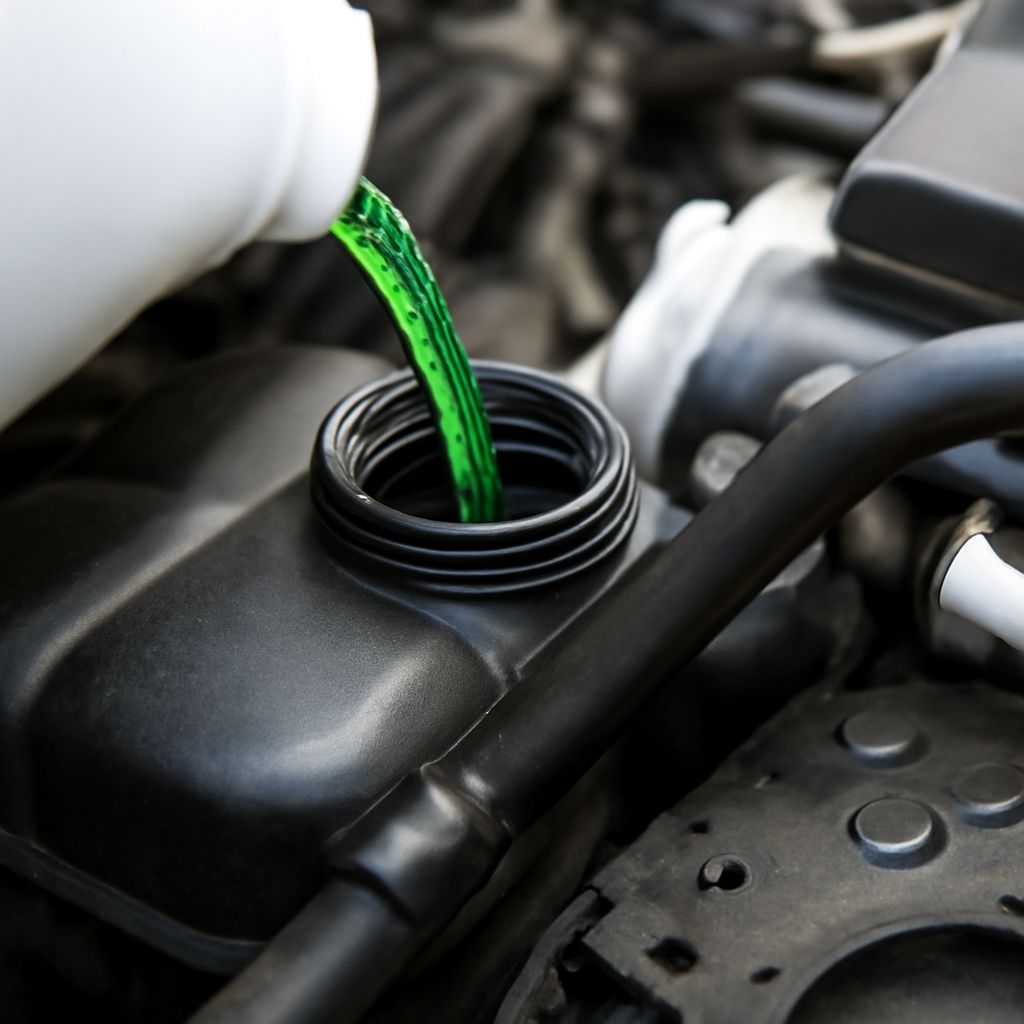
Do you know how long coolant lasts in a car, and why it’s essential to keep track of it? This question often arises among vehicle owners seeking to ensure their cars run efficiently. Alongside coolant lifespan, understanding how long gas lasts in a car, and the longevity of car batteries is crucial for optimal vehicle maintenance. Regular checks on gasoline and thermostats can prevent unnecessary costs and improve fuel efficiency. Let’s delve into the specifics and uncover the facts about these components.
Understanding Coolant Lifespan in Your Car
Coolant, often referred to as antifreeze, plays a vital role in maintaining engine temperature. The lifespan of coolant in a car typically ranges from 30,000 to 50,000 miles, depending on the type and usage. Regular inspections are imperative to ascertain its effectiveness and avoid overheating. Coolants come in various types, including inorganic, organic acid technology (OAT), and hybrid organic acid technology (HOAT). Each type has different durability and maintenance requirements.
How Long Does Gas Last in a Car? Key Insights
Understanding how long gas lasts in a car is equally crucial. Gasoline can degrade over time, especially if a vehicle remains unused. Generally, gas may last up to six months when stored in optimal conditions within a car’s tank. However, factors such as temperature, light exposure, and tank condition can significantly affect its lifespan. Regularly checking the condition of stored gasoline ensures the engine runs smoothly and efficiently.
The Lifespan of a Car Battery Without Driving
The lifespan of a car battery is another concern for vehicle owners, especially if the car is not driven regularly. Without use, a car battery can last between two to four weeks. Regular activity helps maintain the charge, but extended periods of inactivity can lead to battery drain. Utilizing a battery maintainer or trickle charger can extend its life when a vehicle is parked for long durations.
Gasoline Storage: How Long Does It Last?
Beyond the confines of a car, gasoline storage demands careful attention. Stored gasoline can last from three to six months, provided it’s kept in a sealed container away from sunlight and extreme temperatures. Gas stabilizers can be added to prolong its shelf life. Properly stored gasoline ensures that it remains effective for use in vehicles or machinery.
The Role of the Car Thermostat and Its Lifespan
Car thermostats are pivotal in regulating engine temperatures. Generally, a thermostat can last up to 10 years but should be inspected regularly. Faulty thermostats can lead to inefficient engine performance and reduced fuel economy. Regular checks and maintenance are essential to prevent overheating and ensure the engine’s optimal functioning.
Managing Costs and Maximizing Fuel Use Efficiency
Managing costs and maximizing fuel use efficiency are critical objectives for every vehicle owner. Understanding how long gas lasts in a car and maintaining a regular schedule for coolant and battery checks can substantially reduce repair costs. Implementing practices such as regular vehicle servicing, using quality coolants, and monitoring fuel storage conditions can optimize performance and extend component lifespans.
Next Steps: Regularly check and replace coolant based on mileage and type. Monitor gasoline and battery conditions if your vehicle remains idle for extended periods. Inspect the thermostat routinely to ensure optimal engine temperature regulation. By adopting these practices, vehicle owners can maintain efficient operations and minimize unnecessary costs.