What makes your car backfire, and how does it relate to other engine complications? Many drivers are familiar with the startling sound of a car backfiring, but few understand the underlying causes and potential effects, such as car fires or battery corrosion. A backfire can be a sign of deeper issues within the engine, leading to further problems if not addressed. Discovering what causes a car to misfire and taking preventive measures can safeguard your vehicle’s performance and longevity.
Engine troubles can also lead to unexpected outcomes like condensation on windows, which, although seemingly unrelated, can stem from similar mechanical issues. Knowing these connections enables vehicle owners to take proactive steps to maintain their cars efficiently.
Understanding Car Backfires
Signs of a Backfiring Engine
A backfire in a car is often identified by a loud popping sound coming from the exhaust or intake system. This can be accompanied by a loss of power and an increase in fuel consumption. Drivers may also notice the engine running rough or stalling unexpectedly.
Common Causes of Backfires
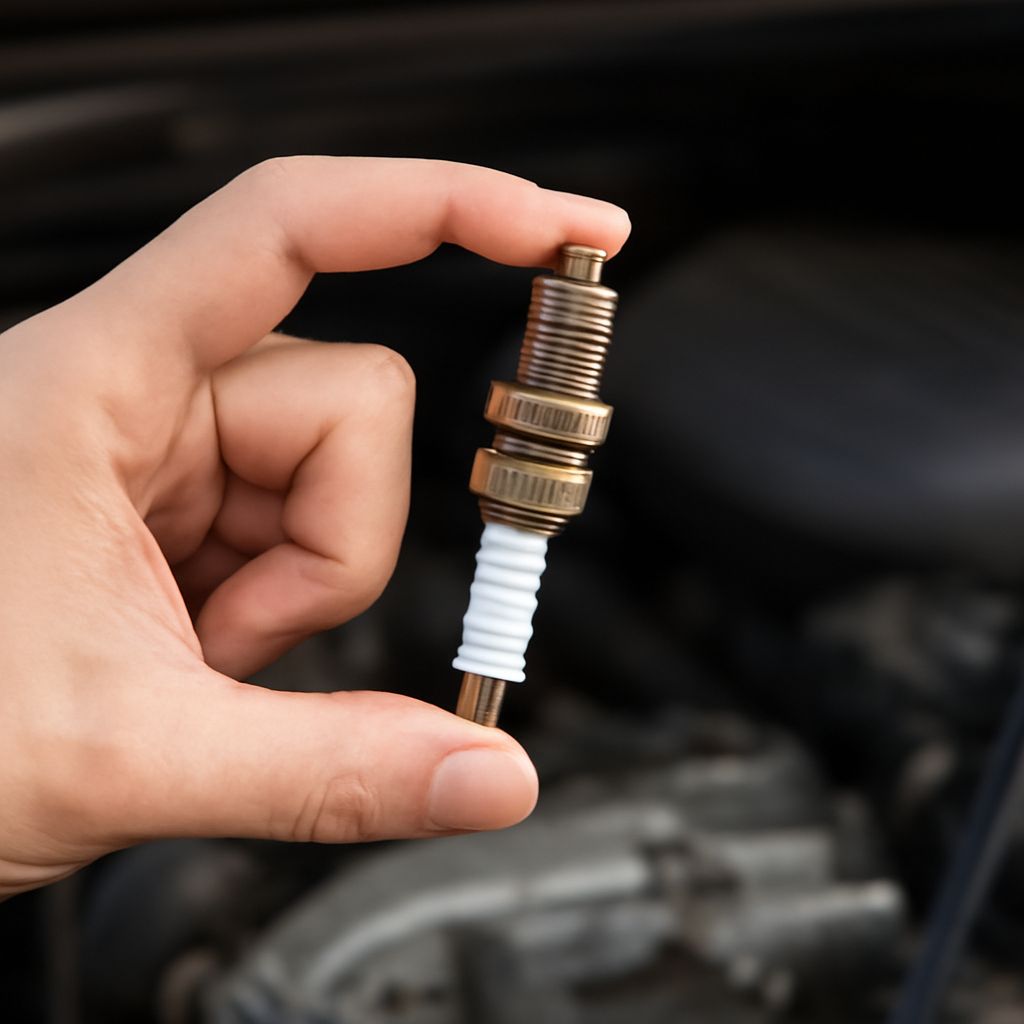
Several factors can lead to a backfire. An improper air-to-fuel ratio, often caused by a faulty fuel injector or a dirty air filter, is one primary culprit. Additionally, ignition system issues like worn spark plugs or a malfunctioning distributor can cause the fuel to ignite at the wrong time, leading to backfires.
Exploring Car Misfires
Symptoms of Misfires
A car misfire is typically indicated by a shaking engine, decreased power, and increased emissions. The check engine light may also illuminate, signaling an issue that needs attention.
Reasons Behind Misfiring Engines
Misfiring can result from various problems, including worn spark plugs, ignition coil failures, or fuel system blockages. Ensuring regular maintenance can help prevent these issues from escalating.
Impact on Engine Performance
Car misfires can significantly reduce engine performance and efficiency, leading to higher fuel consumption and increased emissions. Over time, misfires can cause extensive damage to engine components.
Preventing Car Battery Corrosion
Causes of Battery Corrosion
Battery corrosion often occurs due to the release of hydrogen gas from the battery acid. This gas can react with surrounding metals, forming a corrosive buildup on the terminals.
Ways to Avoid Corrosion
Regularly checking and cleaning battery terminals can prevent corrosion. Applying a protective coating or using corrosion-resistant battery terminal sprays can also help maintain a clean connection.
Recognizing Car Fire Risks
How Fires Start in Cars
Car fires can start from various sources, such as electrical short circuits, fuel leaks, or overheating catalytic converters. Routine inspections can help identify and rectify potential fire hazards.
Prevention Tips
To prevent car fires, ensure all electrical components are in good condition, regularly check for fuel leaks, and maintain the cooling system to avoid overheating. This proactive approach can mitigate fire risks.
Condensation on Car Windows
Why Condensation Happens
Condensation occurs when warm, moist air inside the car meets the cooler glass surface, causing moisture to form on the windows. This is often exacerbated by leaks or ventilation issues.
Tips to Reduce Condensation
To reduce window condensation, ensure proper ventilation by keeping air vents open and using the air conditioning system to dehumidify the air. Regular checks for leaks in the cabin can also prevent excessive moisture.
Next Steps
Understanding the causes and effects of car backfires, misfires, and related issues like battery corrosion and condensation is crucial for vehicle maintenance. Implementing regular checks and following best practices in car care can help prevent these problems, ensuring a safe and efficient driving experience. Regular consultation with professional mechanics can offer further guidance tailored to specific vehicle needs.