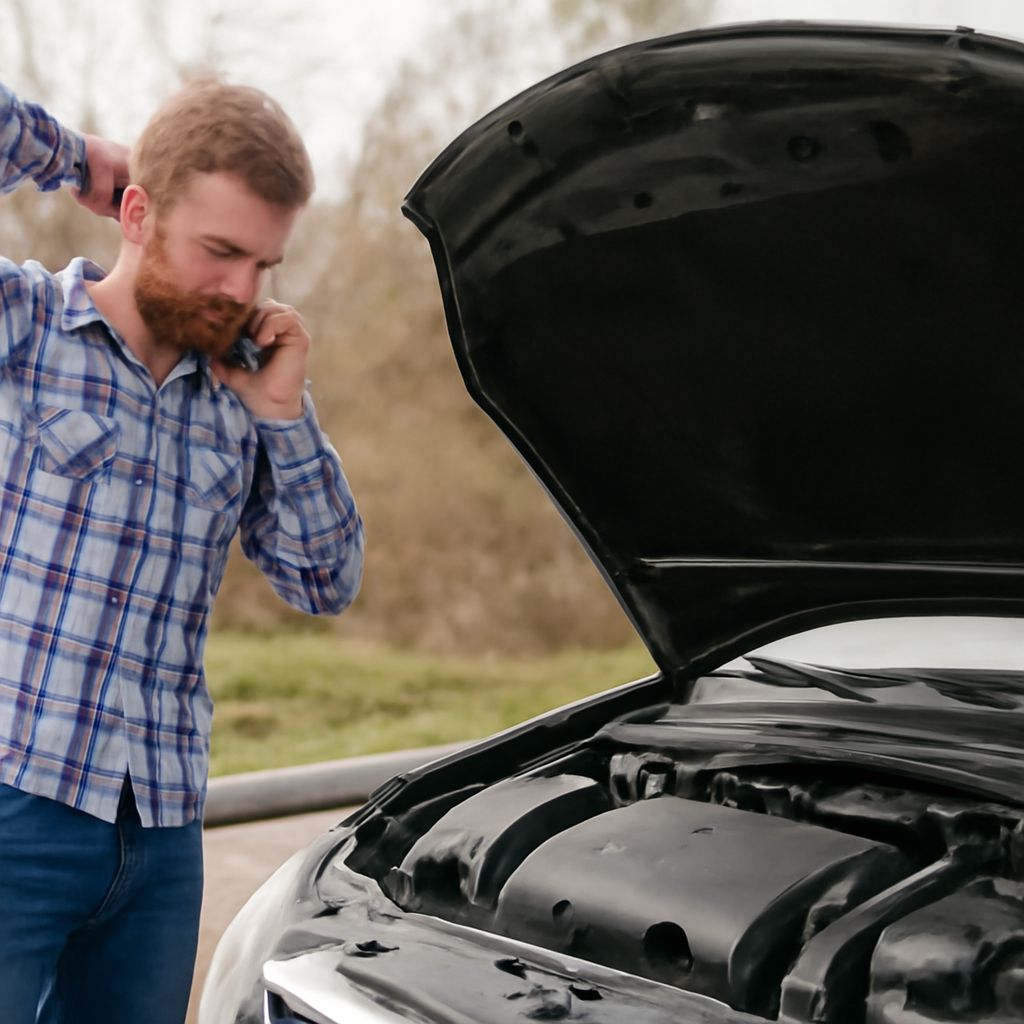
What are the most common reasons a car won’t start, and how can these issues be resolved effectively? Understanding the various reasons a car won’t start can be crucial for drivers to swiftly address problems and get back on the road. From battery issues to fuel pump malfunctions, a plethora of problems could be at fault. This article delves into common reasons a car won’t start, offering practical solutions to troubleshoot typical dilemmas.
Whether dealing with a faulty alternator or engine compression failures, identifying the root cause is essential. Reasons a car won’t start can also include mechanical failures, such as timing belt problems, or simple oversights like an empty fuel tank. By exploring these reasons, one can better understand how to approach the problem and apply appropriate fixes.
Common Electrical Problems
Battery Issues
Battery issues are among the most frequent reasons a car won’t start. A dead or weak battery can halt the ignition process, preventing the engine from cranking. Regularly checking the battery’s health, ensuring tight connections, and cleaning terminals can prevent such issues. It’s advisable to replace a battery that frequently loses charge.
Ignition Switch Faults
The ignition switch plays a critical role in starting the vehicle. Faulty ignition switches can disrupt the flow of power to the engine, leading to starting issues. Signs of ignition switch faults include the absence of dashboard lights and failure to start despite a charged battery. Inspecting and replacing a defective switch can resolve these problems.
Starter Motor Failures
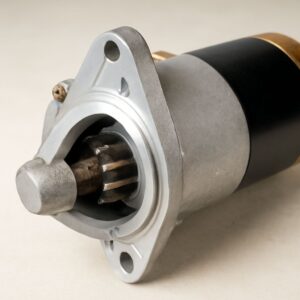
Starter motor failures can prevent the engine from turning over. These faults are usually apparent through clicking noises or complete silence when the key is turned. Regular maintenance checks can help identify starter problems early. If the starter motor shows signs of wear or damage, timely replacement is recommended to ensure reliability.
Fuel System Troubles
Empty Fuel Tank
Sometimes, the simplest solution is the answer: an empty fuel tank. It’s surprisingly common for drivers to overlook fuel levels, especially in older vehicles where gauges may be less accurate. Ensuring the fuel tank is adequately filled can prevent this oversight from becoming a frequent reason a car won’t start.
Fuel Pump Malfunctions
Fuel pump malfunctions can also lead to starting issues. A failing fuel pump cannot deliver fuel to the engine, stalling the ignition process. Symptoms include difficulty starting and sputtering noises. Regular inspections and timely replacement of the fuel pump can prevent these malfunctions.
Engine Mechanical Issues
Timing Belt Problems
The timing belt synchronizes the engine’s components. If it snaps or wears out, the engine won’t start. Regularly inspecting the timing belt for wear and replacing it according to the manufacturer’s schedule can prevent breakdowns.
Engine Compression Failures
Engine compression failures occur when the engine cannot maintain the necessary pressure. This can result from worn piston rings or damaged valves. Regular maintenance and addressing leaks promptly can alleviate these problems.
Other Possible Causes
Faulty Alternator
A faulty alternator can drain the battery and cause starting problems. The alternator charges the battery while the engine runs, so a malfunction can prevent the battery from retaining charge. Regular alternator checks and replacements ensure consistent performance.
Clogged Air Filter
A clogged air filter restricts airflow to the engine, impacting performance and starting abilities. Regularly replacing the air filter is a simple yet effective way to maintain engine efficiency and prevent starting issues.
Troubleshooting Tips
Check Engine Light Indicators
The check engine light can provide valuable insights into why a car won’t start. Diagnostic tools can read these indicators, offering clues to underlying issues. Addressing alerts promptly can prevent minor issues from escalating.
Inspecting Fuses
Inspecting fuses is another essential troubleshooting step. Blown fuses can disrupt crucial electrical circuits, hindering the starting process. Regular fuse inspections and replacements are inexpensive ways to maintain a vehicle’s electrical integrity.
Bottom line: Numerous factors can explain why a car won’t start. Identifying common issues like battery problems or engine mechanical failures allows drivers to implement solutions effectively. By understanding the reasons a car won’t start, one can ensure timely interventions and smoother driving experiences.