Have you ever wondered why cars sometimes overheat or how you can prevent engine damage? The answer often lies in understanding the role of engine coolant. Low coolant in car systems is a common issue that can lead to significant problems. Recognizing the symptoms of no coolant in car engines is crucial for maintaining your vehicle’s health. But how does one go about replenishing it safely? This guide will provide step-by-step instructions on where to put coolant in car and explore related maintenance tasks, such as how to put in a car battery, ensuring your vehicle runs smoothly.
Understanding Coolant and Its Importance
Coolant, also known as antifreeze, is vital for regulating your engine’s temperature. It circulates through the engine, absorbing excess heat, and prevents the engine from overheating. By maintaining the proper coolant level, you protect the engine from extreme temperature fluctuations, which could otherwise lead to costly repairs.
Regularly checking the coolant’s condition can help identify issues before they become serious. A well-maintained cooling system ensures efficient engine performance and longevity. Always adhere to professional best practices when handling coolant, as improper maintenance can lead to engine damage.
Symptoms of No Coolant in Car
How can you tell if there’s no coolant in your car? There are several noticeable symptoms of no coolant in car, including the temperature gauge rising above normal, steam emerging from the hood, or the engine emitting strange noises. Another clear sign is the sweet smell of antifreeze, indicating a leak.
Ignoring these warning signs can result in severe engine damage. If you suspect low coolant levels, it’s crucial to address the issue promptly to avoid more significant problems down the road.
Where to Put Coolant in Car: Step-by-Step Instructions
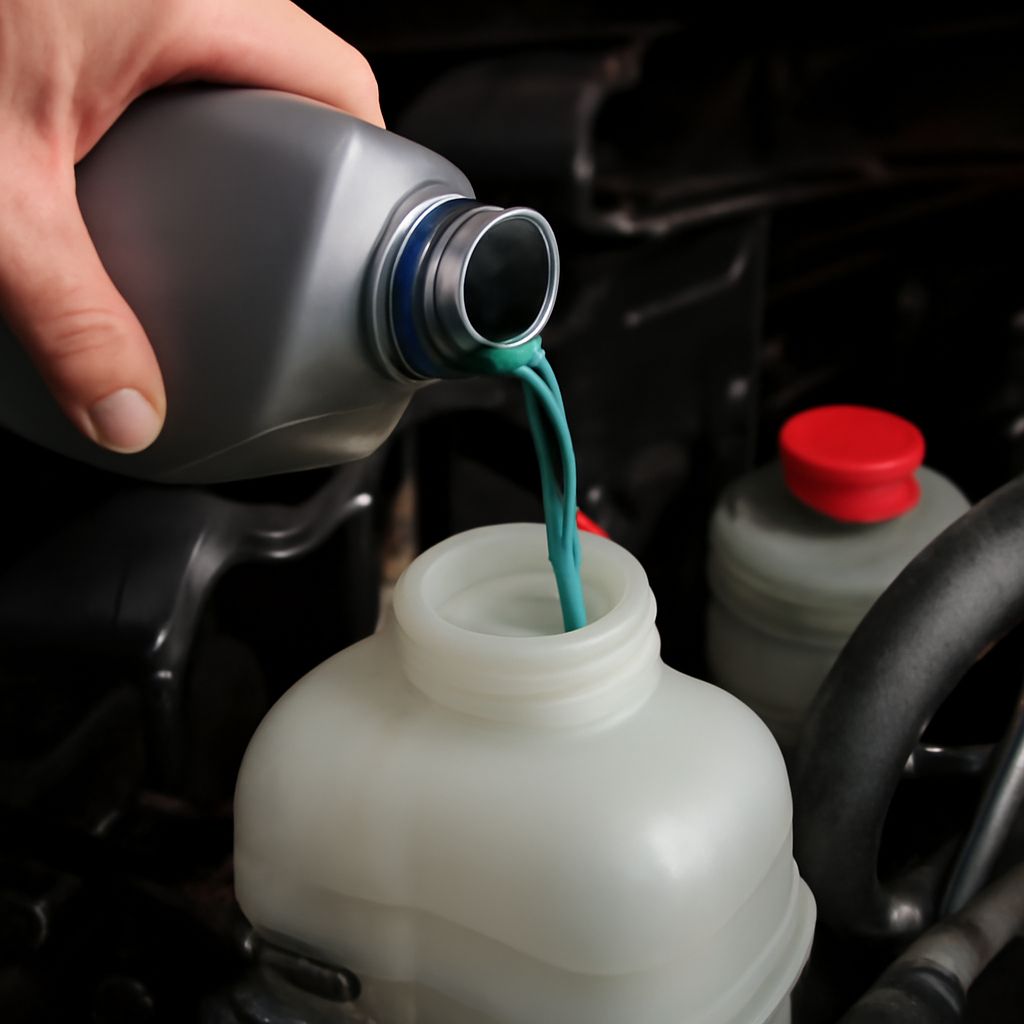
Adding coolant to your car is a straightforward process. Here is where to put coolant in car:
- Ensure the engine is completely cool before beginning.
- Locate the coolant reservoir, often marked with a symbol or labeled cap.
- Remove the cap and inspect the coolant level.
- If low, slowly pour the recommended coolant into the reservoir until it reaches the appropriate level.
- Secure the cap tightly before starting the engine.
How to Put Coolant in a Car Safely
Safety is paramount when working with engine coolant. Always wear protective gloves and eyewear to avoid irritation from the chemicals. Never open the coolant reservoir when the engine is hot, as pressure buildup can cause the hot coolant to splash, leading to burns.
Use only the manufacturer-recommended coolant for your vehicle to ensure compatibility and efficiency. Following these guidelines will help you safely and effectively put coolant in a car.
What to Do If You Have Low Coolant in Car
Discovering low coolant in car systems requires immediate attention. Check for leaks in the hoses and radiator, as these are common culprits. If leaks are present, they must be repaired before adding more coolant.
If no leaks are found, it may indicate an internal issue that requires professional attention. Keeping a watchful eye on coolant levels can prevent future complications and maintain your engine’s health.
Related Maintenance: How to Put in a Car Battery
While maintaining your coolant system, consider checking your car battery, as it is another critical component of your vehicle’s operation. Here’s a quick guide on how to put in a car battery:
- Ensure the vehicle is turned off and parked on a flat surface.
- Remove the negative cable first, followed by the positive cable from the old battery.
- Carefully lift out the old battery and clean any corrosion from the connectors.
- Place the new battery in the same position, securing it properly.
- Reconnect the positive cable first, followed by the negative cable, ensuring all connections are tight.
Bottom line: Knowing where to put coolant in car and how to do it safely is essential for preventing engine problems. Regular maintenance, including checking the coolant and battery, ensures that your vehicle remains reliable and efficient.