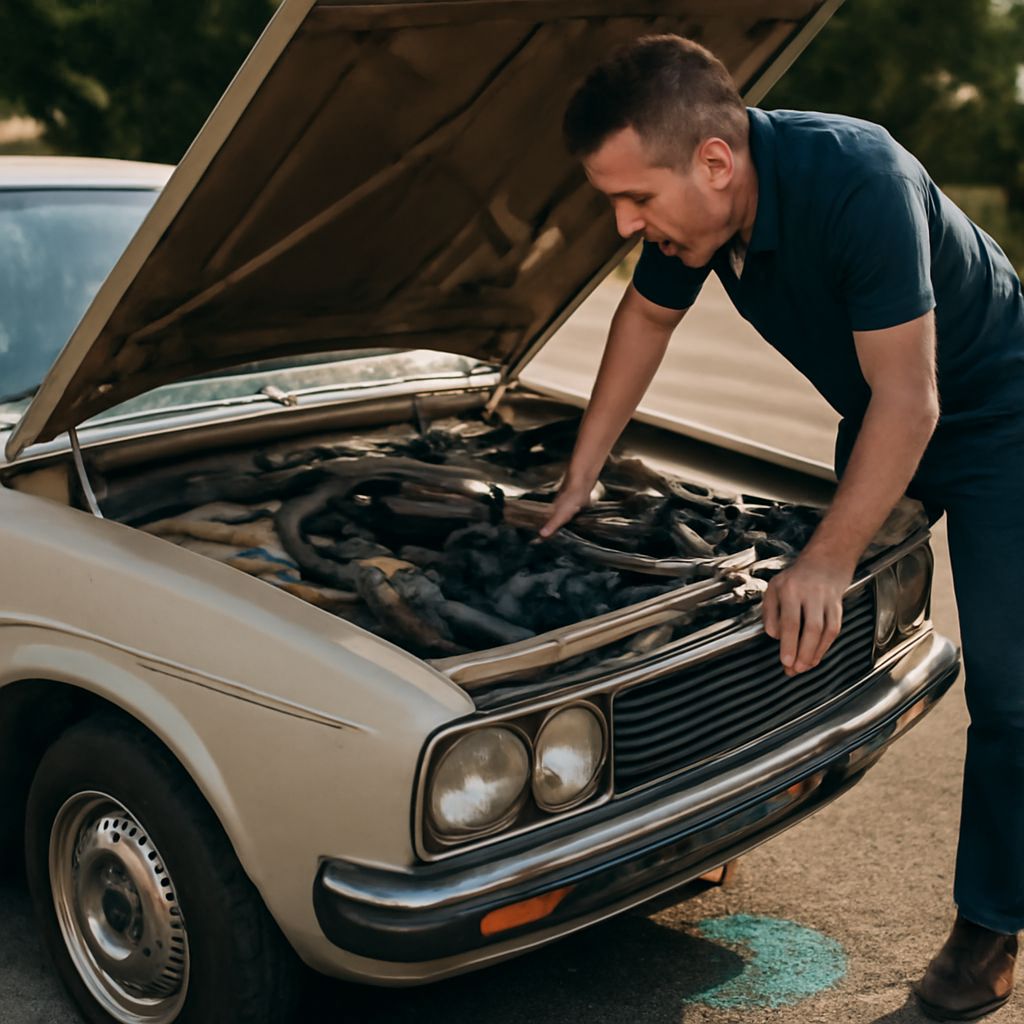
Have you ever noticed a mysterious puddle forming under your car and wondered what it might indicate? Coolant in car systems is essential for preventing overheating and ensuring engine efficiency. However, a car leaking coolant can lead to significant issues if not addressed promptly. Whether your vehicle is experiencing a car leaking gas or antifreeze, understanding the potential causes and solutions is crucial for maintaining its health and performance.
While the sight of vehicle fluids on your driveway might be alarming, identifying the problem early on can help mitigate further damage and costly repairs. This article delves into the causes behind a car leaking coolant, how to identify a car leaking gas or antifreeze, and the solutions and costs associated with these common automotive issues.
Understanding Coolant in Your Car
What is coolant?
Coolant, also known as antifreeze, is a liquid mixture designed to regulate the engine’s temperature by absorbing excess heat. It usually consists of water and ethylene glycol, which helps protect the engine against freezing in cold temperatures and boiling over in the heat.
Why is coolant important?
Adequate levels of coolant in your vehicle are essential to prevent overheating, which can lead to engine failure. Maintaining proper coolant levels ensures optimal engine performance and longevity, making it a critical component of regular vehicle maintenance.
Common Causes of Car Leaking Coolant
Damaged radiator
A damaged radiator is one of the most frequent reasons for a car leaking coolant. Cracks or corrosion in the radiator can lead to leaks, causing coolant to escape and the engine to overheat. Regular inspections can help identify early signs of radiator damage.
Faulty hoses
Over time, hoses that transport coolant can become brittle and develop leaks. Faulty hoses are a common cause of a car leaking coolant, and regular checks for wear and tear can help prevent significant fluid loss and engine damage.
Worn-out gaskets
Gaskets are crucial for sealing joints between engine components and preventing leaks. A worn-out gasket can result in a car leaking coolant, as well as potential contamination of the oil and coolant mix, warranting timely replacement to avoid major engine issues.
How to Identify a Car Leaking Gas or Antifreeze
Signs of gas leakage
A car leaking gas can be detected by the distinct smell of gasoline around the vehicle. Visually, gas leaks might appear as a thin, clear liquid, often accompanied by a shiny residue on the ground.
Signs of antifreeze leakage
Antifreeze leaks are typically identified by a sweet-smelling odor and colorful puddles under the car. If you notice a green, orange, or pink liquid on the ground, it likely indicates your car is leaking coolant and demands immediate attention.
Solutions for Car Leaking Transmission Fluid
Check transmission pan
If your car is leaking transmission fluid, inspecting the transmission pan for cracks or loose bolts is advisable. Ensuring the pan is secure and undamaged can prevent further fluid loss and transmission issues.
Inspect fluid lines
Fluid lines that carry transmission fluid can develop leaks due to wear or damage. Regular inspection of these lines can help identify leaks early, allowing for timely repairs to maintain transmission health.
Costs Associated with Vehicle Fluid Leaks
Cost of repairs
The cost of repairing a car leaking coolant varies depending on the cause and severity of the leak. Simple fixes like hose replacements might be inexpensive, while radiator repairs can be more costly.
Preventive maintenance tips
Regular maintenance and inspections can prevent expensive repairs associated with a car leaking gas, coolant, or other fluids. Checking fluid levels, examining hoses, and monitoring for unusual smells or puddles can help maintain vehicle integrity.
Bottom line: Addressing a car leaking coolant or other fluids promptly can prevent further engine damage and costly repairs. Regular inspections and maintenance play a vital role in identifying and resolving fluid leaks effectively.