When my car ac is blowing hot air instead of cold, the problem is almost always traceable to one of a small set of causes—and most can be diagnosed without specialized equipment. Ac blowing hot air car scenarios range from a simple low refrigerant situation to a failed compressor or a leaking condenser. Understanding why car ac blowing warm air occurs and the appropriate repair path saves time and avoids paying for unnecessary parts.
Car a/c blowing hot air can also result from non-refrigerant causes such as blend door actuator failure, which redirects heated air from the heater core into the cabin even when the AC switch is engaged. Ac blowing warm air car problems that come and go intermittently often point to an electrical issue rather than a refrigerant leak, making diagnosis the critical first step before any repair.
The Most Common Causes
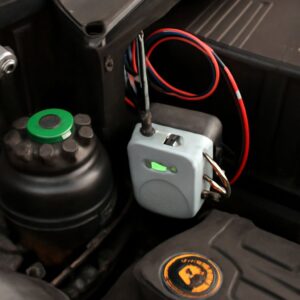
Low Refrigerant Refrigerant loss is the single most frequent reason my car ac is blowing hot air rather than cold. Automotive AC systems are sealed but not perfectly airtight—small leaks at fittings, hose connections, and the compressor shaft seal allow refrigerant to escape over years of normal use. A system that was adequate last summer may have lost enough refrigerant over the winter to produce only marginally cool or fully warm air when the temperature climbs. Ac blowing hot air car situations caused by low refrigerant are confirmed with a pressure gauge check at the service ports, and the repair involves identifying and sealing the leak before recharging.
Compressor Failure
The compressor is the heart of the automotive AC system—it pressurizes the refrigerant to enable the heat exchange process. When the compressor clutch fails to engage, no refrigerant circulation occurs and the result is car ac blowing warm air regardless of the refrigerant level. Compressor failure is sometimes announced by a grinding noise when the AC is switched on, or by the AC clutch disengaging after a few seconds. Replacing the compressor is one of the more expensive AC repairs, typically ranging from $600 to $1,200 depending on the vehicle.
Condenser and Electrical Causes
The condenser is mounted at the front of the vehicle and releases the heat absorbed from the cabin. When the condenser becomes clogged with debris or is damaged by a road impact, the system cannot release heat efficiently and produces car a/c blowing hot air despite adequate refrigerant charge. Cleaning the condenser face with a garden hose from behind is a simple first check. Electrical failures—including faulty AC pressure switches, failed relays, or a damaged wiring harness to the compressor—can prevent the compressor from receiving the signal to engage, producing the same ac blowing warm air car symptom without any refrigerant-related cause.
Blend Door Actuator Problems
The blend door controls the mix of heated and cooled air delivered to the cabin vents. A blend door actuator that has failed in the heat position routes hot engine coolant air through the vents regardless of the temperature selector setting. This cause of ac blowing hot air car complaints is particularly frustrating because the AC system itself may be functioning correctly—the problem is entirely in the air distribution control. Blend door actuator replacement is usually a moderate repair, but access difficulty on some vehicles can make it labor-intensive.
Diagnosing Before Replacing
Diagnosing why my car ac is blowing hot air before purchasing parts prevents unnecessary expense. A manifold gauge set reveals system pressure on both the high and low sides, pointing to refrigerant level, compressor operation, or blockage. An infrared thermometer at the vents confirms whether any cooling is occurring. Car ac blowing warm air that tests at near-ambient temperature at the vent with normal system pressures often points to a blend door or temperature control issue rather than a refrigerant problem. Pro tips recap: check refrigerant pressure before assuming a compressor failure; inspect the condenser face for debris blockage before any component replacement; test the blend door actuator when the AC system tests normal but warm air still exits the vents; and have the system leak-tested after any refrigerant recharge to prevent a repeat failure within the same season.