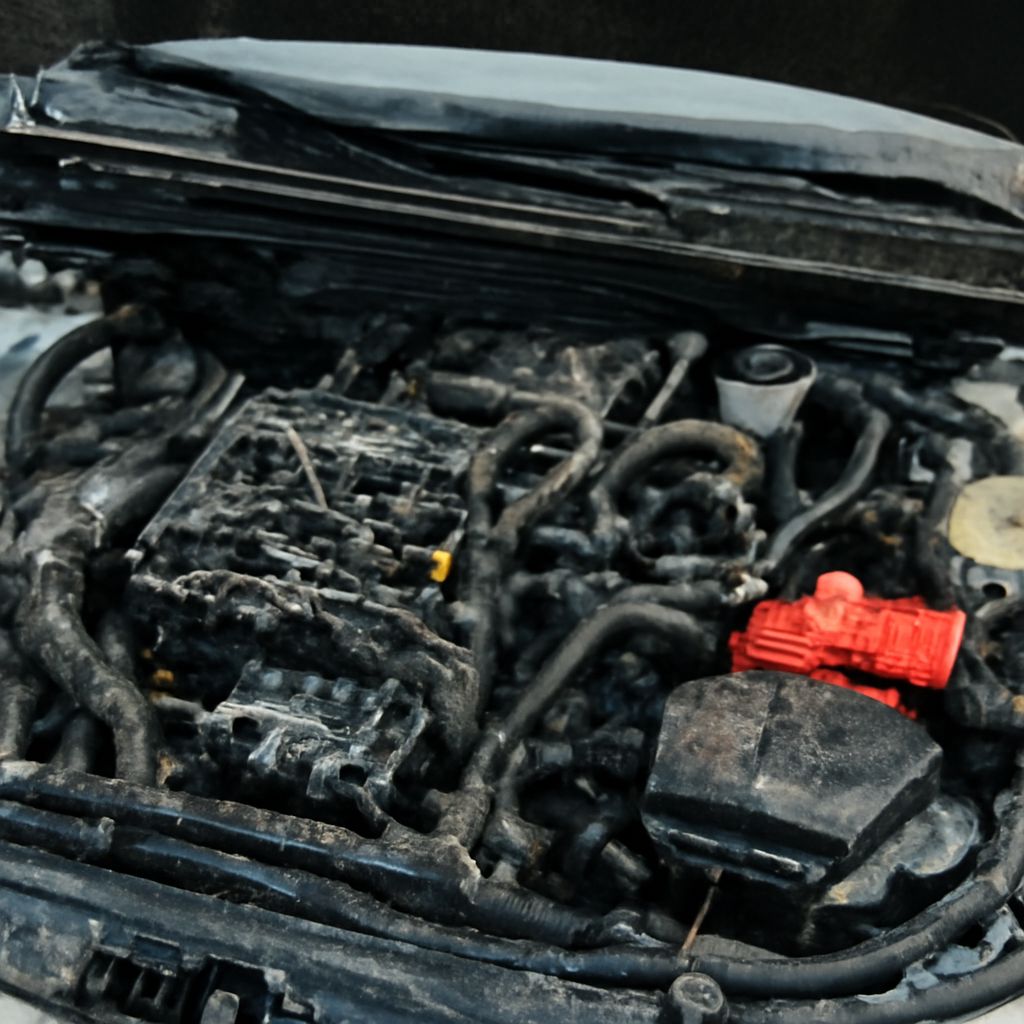
Does a dirty engine bay actually affect vehicle performance? Yes—accumulated grease, oil residue, and debris can trap heat, accelerate rubber component deterioration, and make it harder to spot developing leaks. Knowing how to clean car engine compartments properly is a practical skill that supports both maintenance and resale value. Car engine cleaning performed with the right products and technique protects sensitive components while removing years of buildup.
Many owners avoid the task because they fear water damage to electrical systems. With the correct preparation, how to clean a car engine is safe and straightforward. This guide covers how to clean your car engine without causing damage, as well as the most common pitfalls encountered when washing car engine components incorrectly.
Why Car Engine Cleaning Matters for Long-Term Performance
A clean engine bay makes routine inspection easier. Mechanics can spot oil leaks, cracked hoses, and worn belts far more quickly on a clean surface than on one coated with grime. Car engine cleaning also helps the cooling system work more efficiently by removing insulating layers of debris from the engine block and surrounding components. A clean engine bay is often interpreted by buyers as a sign of diligent ownership, which supports a higher resale price. Consistent care in this area also reduces the risk of grease-based fires near hot exhaust components.
How to Clean Car Engine Bay: Preparation and Safety Steps
Disconnecting Sensitive Components
Before beginning to how to clean car engine bay surfaces, allow the engine to cool completely—at least two hours after the last drive. A warm engine can cause cleaning products to evaporate before they have time to work, and hot metal can crack if exposed to cold water suddenly. Disconnect the negative battery terminal to eliminate the risk of electrical shorts. Cover the alternator, fuse box, air intake, and any exposed sensors with plastic bags secured with rubber bands. These components are the most vulnerable to water intrusion during washing car engine procedures.
Choosing the Right Cleaning Products
A dedicated engine degreaser in spray or gel form is the appropriate product for car engine cleaning. Avoid using household cleaners, which may contain chemicals that damage rubber hoses or painted surfaces. A gel-type degreaser clings to vertical surfaces longer, providing more dwell time for heavy buildup. Microfiber cloths, a soft-bristle brush, and a garden hose with a gentle spray setting are sufficient for most cleaning tasks. Avoid pressure washers, which force water into connectors and bearing seals that are not designed to withstand high-pressure spray.
How to Clean a Car Engine Step by Step
Applying Degreaser
Spray the degreaser evenly across the engine bay, focusing on areas with visible grease accumulation such as the valve cover, oil pan, and around the transmission bell housing. Allow the product to dwell for the time specified on the label—typically five to ten minutes. Use a soft brush to agitate stubborn deposits on metal surfaces. For plastic covers and wiring harnesses, use a cloth rather than a brush to avoid abrading delicate materials. To properly how to clean a car engine, work from the top down so loosened debris falls away from already-cleaned areas.
Rinsing and Drying
Rinse with a gentle hose spray, keeping water pressure low and directing the stream downward and away from covered electrical components. After rinsing, remove the protective covers from the alternator and fuse box. Start the engine and allow it to run for five to ten minutes—the heat will evaporate residual moisture from electrical connections. How to clean your car engine thoroughly includes a final pass with a dry microfiber cloth on accessible surfaces to remove any remaining water droplets and prevent mineral deposits.
How to Clean Your Car Engine Without Causing Damage
The most common cause of damage during how to clean your car engine is directing water into unprotected electrical connections. Always cover the fuse box, alternator, and intake before rinsing. A second common mistake is using a pressure washer, which can strip wire insulation and force water past connector seals. Finally, never clean the engine bay while it is still hot—thermal shock can crack plastic components and cause degreaser to evaporate before it has time to work.
Washing Car Engine: Common Mistakes to Avoid
Washing car engine components with the wrong products or technique can cause more harm than the original grime. Avoid petroleum-based solvents that leave oily residue and create a fire hazard near hot surfaces. Do not use a power washer for washing car engine bays—the pressure is too high for automotive electrical components. Skipping the drying phase by not running the engine after rinsing is another frequent error that leads to moisture-related electrical faults. Next steps: schedule an engine bay cleaning every two to three years or whenever significant grease buildup is visible, use a quality engine protectant on plastic and rubber components after cleaning, and inspect hoses and belts while the bay is accessible and clean.