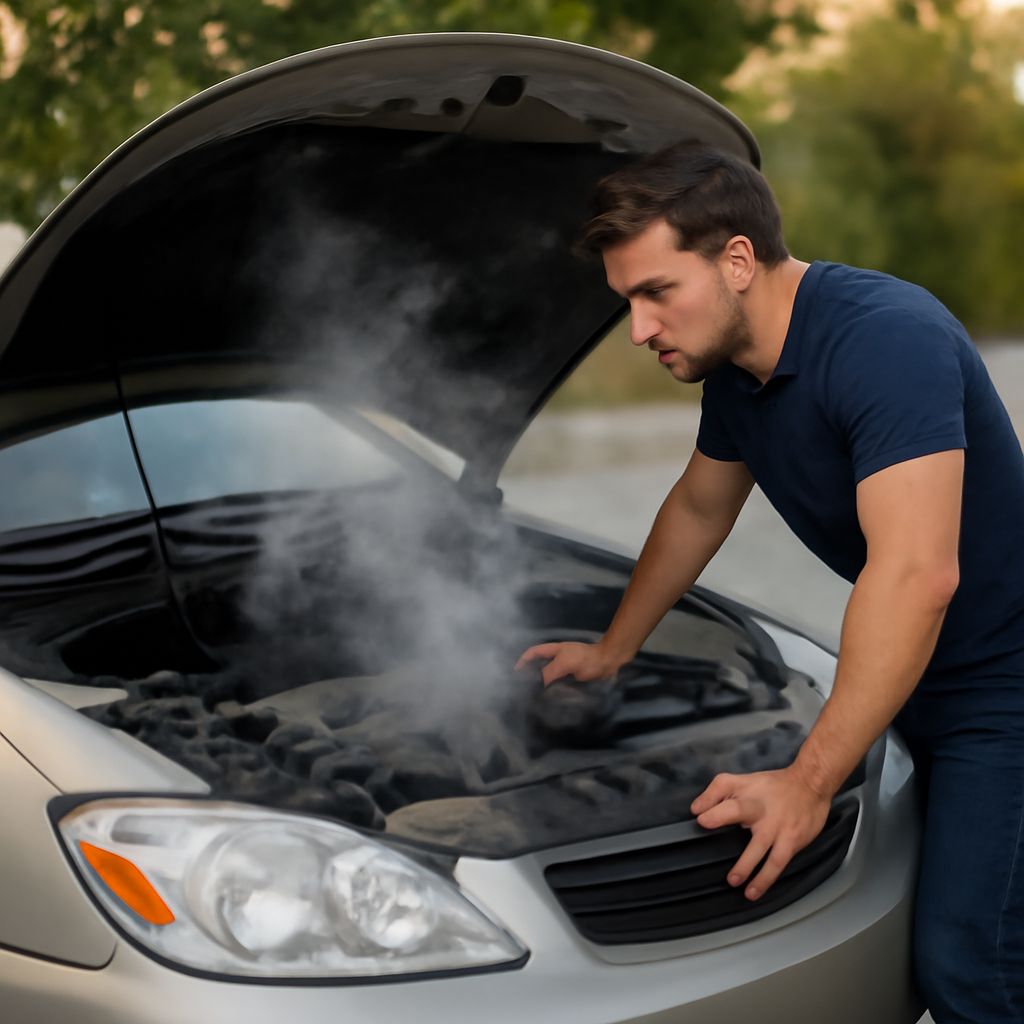
When does a driver need to worry about engine heat? A car temperature gauge over halfway is the first signal that something in the cooling system deserves attention. Most vehicles keep the gauge needle near the center during normal operation — that is the normal car temperature zone. The temperature gauge in car dashboards is not decorative; it reflects real-time coolant temperature and warns of conditions that can destroy an engine within minutes. A rising car engine temperature that pushes the needle past center and toward the red zone demands an immediate response. Understanding what constitutes a car temperature gauge normal reading helps drivers distinguish a minor fluctuation from a serious mechanical emergency.
What Is a Normal Car Temperature Reading
Engines are designed to operate within a specific thermal range, typically between 195°F and 220°F (90°C–105°C). The thermostat regulates coolant flow to keep temperatures within this band. At these temperatures, fuel burns efficiently, oil viscosity stays correct, and metal components expand to their designed tolerances.
Typical Operating Ranges
A car temperature gauge normal reading appears at or near the midpoint of the gauge arc — usually the dead center between “C” (cold) and “H” (hot). On most vehicles, the needle settles there within 5–10 minutes of highway driving. Stop-and-go city traffic may cause the needle to creep slightly above center, which is acceptable as long as it returns to midpoint once air flow resumes.
What the Gauge Markings Mean The temperature gauge in car design varies by manufacturer. Some use numerical markings; others use C, H, and a colored arc. The red zone typically begins at approximately 240°F–260°F. A needle entering the red zone signals overheating — coolant boiling point (with a 50/50 mix) is around 265°F at standard radiator cap pressure. At that point, coolant loss and engine damage can occur within two to three minutes if driving continues.
Why the Temperature Gauge Goes Over Halfway
A car temperature gauge over halfway that persists or climbs has a root cause. The most common culprits are coolant loss, thermostat failure, water pump failure, clogged radiator, and failed cooling fans. Each has distinct accompanying symptoms that help narrow the diagnosis.
Coolant and Thermostat Issues
Low coolant level — caused by a slow leak at a hose, the water pump seal, or the radiator itself — reduces heat transfer capacity immediately. Even a 20% reduction in coolant volume can raise operating car engine temperature by 15–25°F. A stuck-closed thermostat prevents coolant from circulating through the radiator, causing temperatures to spike rapidly after the first few miles of driving.
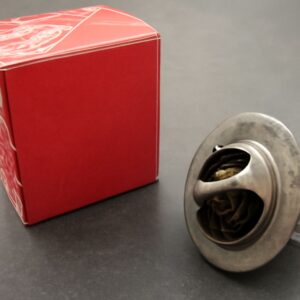
Thermostat replacement is a low-cost repair — typically $50–$150 including labor — that eliminates one of the most common overheating causes. It should always be considered when normal car temperature is repeatedly exceeded without an obvious coolant leak.
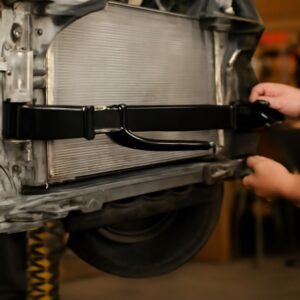
Radiator and Fan Problems A clogged radiator core reduces heat exchange efficiency. Debris, scale buildup from old coolant, or a bent fin pattern from road debris all restrict airflow. Electric cooling fans that fail to activate at idle are another frequent cause — the temperature gauge stays normal at highway speeds (because ram air cools the radiator) but climbs at red lights. Checking fan operation by running the engine until warm at idle is a fast diagnostic step.
What to Do When the Engine Runs Hot
If the car engine temperature approaches the red zone, turn off the air conditioning immediately to reduce load on the engine. If temperature continues to rise, turn the heater to maximum — the cabin heater core acts as a secondary radiator and can draw 10–15 degrees of heat away from the coolant loop. Pull over safely as soon as possible.
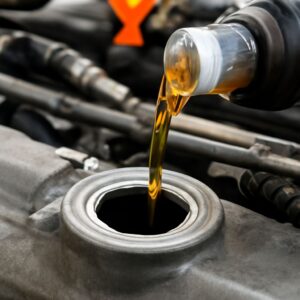
Never open the radiator cap on a hot engine. Pressurized coolant at 250°F will eject violently and cause severe burns. Allow the vehicle to cool for at least 30 minutes before checking the coolant level. Add a 50/50 coolant-water mix if the reservoir is low, not straight water, which dilutes freeze protection and raises the boiling point of the system less effectively.
Pro tips recap: A car temperature gauge normal reading sits at the gauge midpoint during stable highway driving. Any persistent reading over halfway warrants a cooling system inspection focused on coolant level, thermostat function, and fan operation. Pulling over promptly when the gauge climbs toward red prevents engine damage that costs thousands more than the underlying repair.