Interest in electric vehicles has grown well beyond early adopters, and that growth shows up in two distinct ways: more people choosing electric car rental options for travel, and more owners taking on electric car maintenance themselves. Whether someone wants to experience EV driving before buying, or is already managing an electric vehicle at home, understanding how these cars differ from conventional ones changes what to budget for and what to watch out for.
For the hands-on crowd, the diy electric car movement has produced a community of builders who convert gasoline vehicles to battery power. Meanwhile, electric car transmission design, which lacks the multi-speed gearbox found in most combustion vehicles, simplifies the drivetrain considerably. Sourcing electric car parts, whether for a factory EV or a conversion project, has become easier as the supply chain for EV components expands.
Electric Car Rental: What to Know Before You Book
Charging During a Rental Renting an EV differs from renting a gasoline vehicle primarily because of charging logistics. Most electric car rental companies provide a full or nearly full charge at pickup and expect a return at a specific charge level, typically around twenty percent. Renters who need to charge during a multi-day trip should plan routes around DC fast chargers, since standard Level 2 chargers at hotels add roughly twenty-five miles of range per hour, which may not be fast enough for heavy travel days.
Range Planning
Electric car rental range varies significantly by model. Compact EVs may offer 150 to 200 miles per charge; longer-range models exceed 300 miles. Cold weather reduces range by fifteen to forty percent, a factor worth planning around in winter months. Rental companies typically specify the model at booking, making it straightforward to look up the real-world range before confirming the reservation.
Electric Car Maintenance: Lower Cost, Different Focus
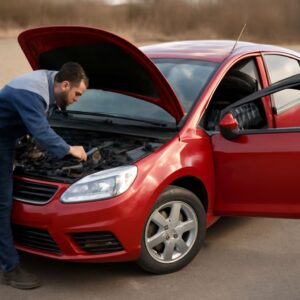
Electric car maintenance costs less on average than servicing a comparable combustion vehicle because EVs have fewer moving parts. There is no oil to change, no timing belt to replace, and no exhaust system to maintain. Brake wear is also reduced because regenerative braking recaptures kinetic energy and slows the car without engaging friction brakes as frequently.
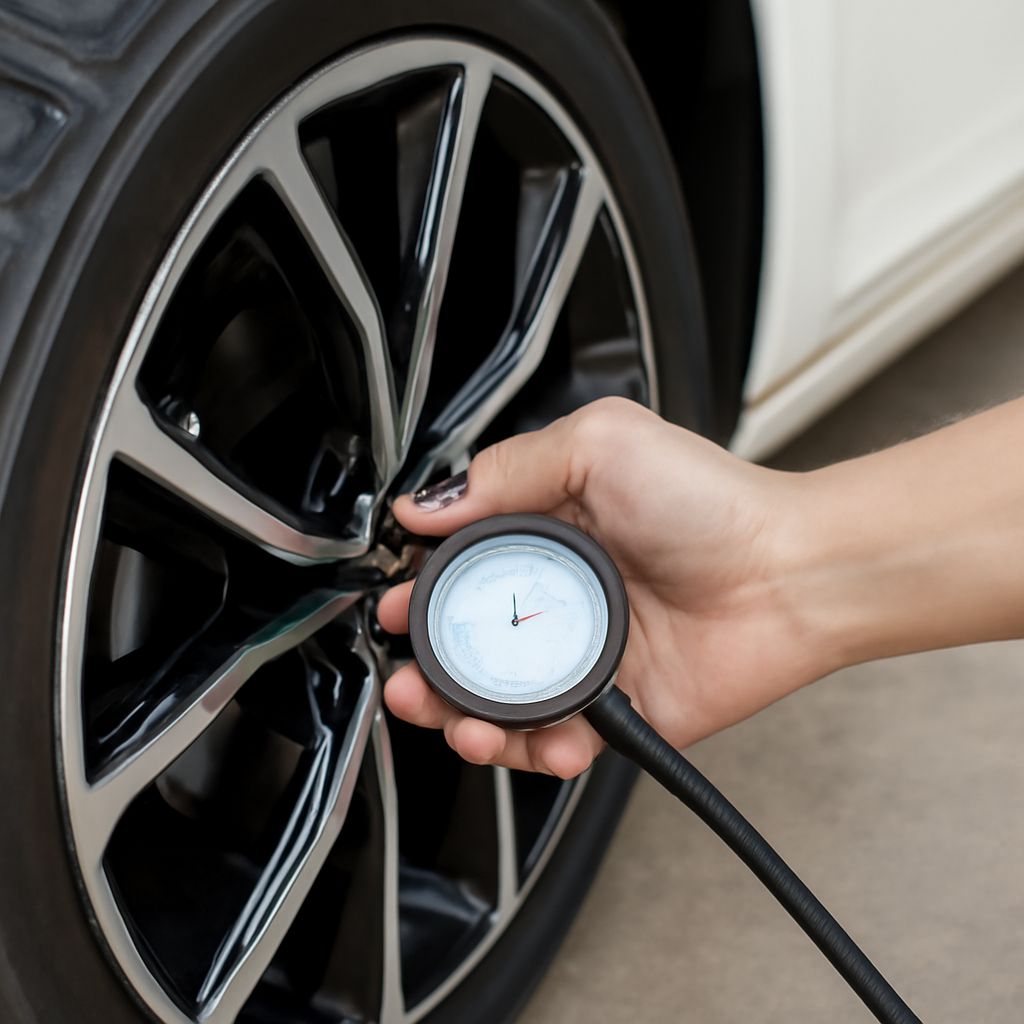
What electric car maintenance does require: tire rotations (EVs are heavier and often torquier, wearing tires faster than comparable ICE cars), cabin air filter replacement, brake fluid checks, and battery coolant service intervals on liquid-cooled systems. Software updates also count as maintenance for EVs, as manufacturers push performance improvements and battery management refinements over the air.
DIY Electric Car Conversions: Scope and Reality
What a DIY Electric Car Conversion Involves
A diy electric car conversion replaces the combustion drivetrain with an electric motor, battery pack, controller, and supporting electronics. Common donor vehicles include older compact cars and light trucks with simple body structures. The motor typically mounts where the transmission and engine sat, though exact fitment depends on the adapter plate and motor type chosen.
Cost and Complexity
A diy electric car build using new components costs between $8,000 and $20,000 for the drivetrain alone, not counting donor vehicle, labor, or supporting components. Used battery modules from wrecked EVs reduce cost but require careful cell testing and balancing. The project demands competence in high-voltage electrical systems, which carry real safety risks if proper isolation and fusing practices are not followed.
Electric Car Transmission and Drivetrain
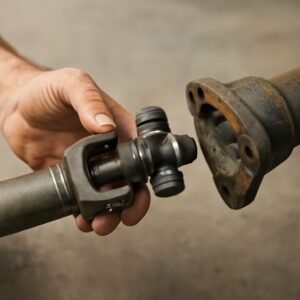
The electric car transmission in most production EVs is a single-speed fixed-ratio unit. Electric motors produce maximum torque from zero RPM, eliminating the need for gear changes to keep the motor in a usable power band. Some high-performance EVs use two-speed transmissions to extend top-speed capability, but the majority of consumer models use a single reduction gear between motor and wheels.
This simplicity benefits the electric car transmission’s longevity. With no clutch, no gear synchronizers, and no hydraulic shift circuits, transmission-related repairs are rare in production EVs. The drivetrain’s main service items are the differential fluid and axle boots rather than the gearbox internals common in combustion vehicles.
Sourcing Electric Car Parts
Electric car parts availability has improved markedly as EV volume on roads increases. Factory-authorized dealers stock common consumables like brake pads, cabin filters, and wiper blades. High-voltage components, including battery modules, motor controllers, and onboard chargers, are increasingly available through salvage networks and specialized EV parts suppliers. Sourcing electric car parts for older or discontinued models can be more challenging, making community forums a practical resource for identifying compatible parts from other vehicle lines.
Bottom Line
Electric car rental gives prospective buyers real-world experience with EV charging and range management before committing to ownership. Electric car maintenance is genuinely simpler than ICE servicing, but it focuses on different systems. Whether planning a diy electric car project or just keeping a factory EV running well, understanding the electric car transmission design and knowing where to source electric car parts makes the ownership experience more predictable and cost-effective.