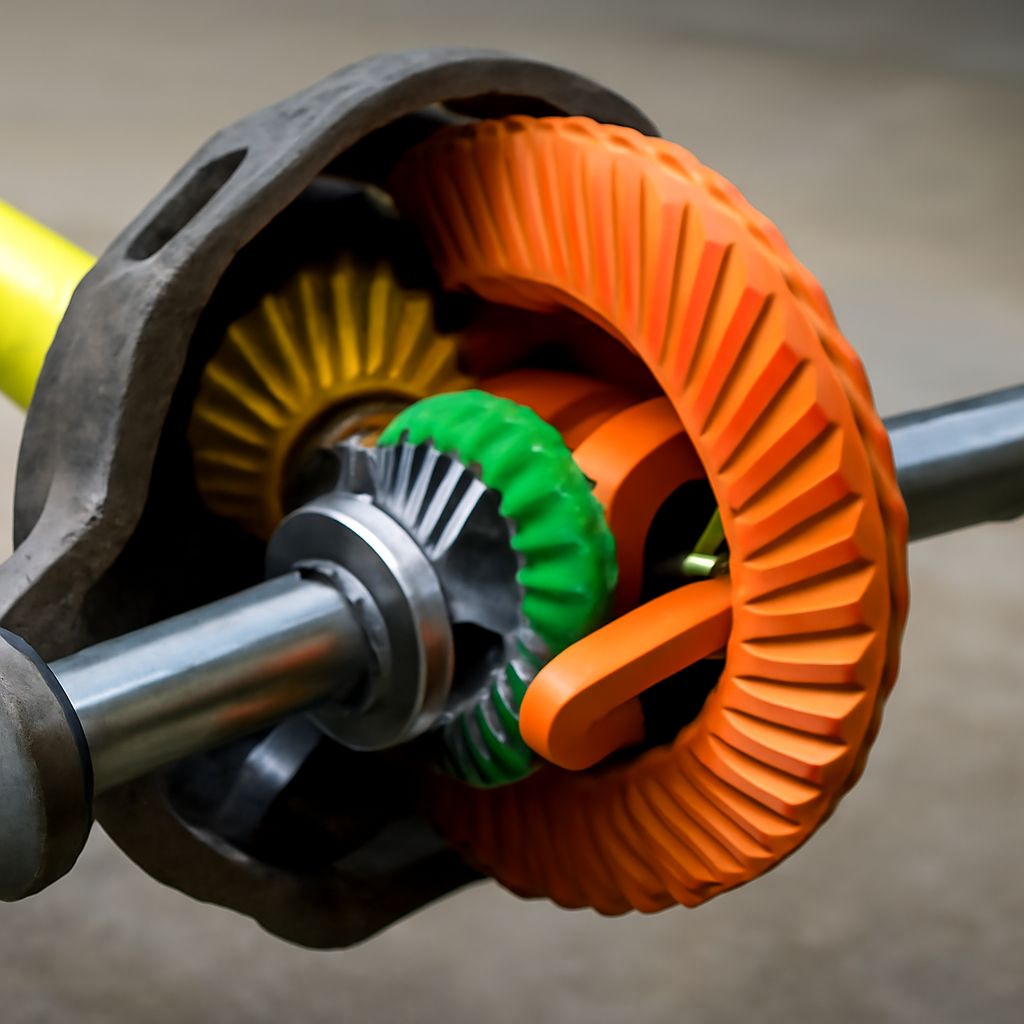
Most drivers know that a car has an engine and a transmission, but the car differential receives far less attention despite being equally critical to safe, controlled driving. This component allows wheels on the same axle to rotate at different speeds — a requirement any time the vehicle turns, since the outer wheel travels a longer arc than the inner one. Without a functioning differential, tires scrub, handling suffers, and drivetrain stress accumulates rapidly.
Car differential problems range from minor fluid leaks to full gear failure, and the symptoms often start subtly before becoming obvious. A dash car display showing traction control warnings or a magnetic car sensor detecting wheel speed discrepancies may both trace back to differential wear. Even hobbyists who work on RC car differential units recognize many of the same mechanical principles that apply at full scale. Identifying differential issues early keeps repair costs manageable and prevents secondary drivetrain damage.
What a Car Differential Does
The differential sits between the drive wheels and divides torque from the driveshaft or axle shafts while allowing each wheel to spin at its own rate. During straight-line driving, both wheels rotate at the same speed. During a turn, the outside wheel must cover more distance and therefore spins faster. The differential gear set accommodates this difference automatically. In four-wheel and all-wheel drive vehicles, both front and rear axles have differentials, and a center differential or transfer case manages torque split between the two axles.
Types of Differentials in Modern Vehicles
Open, Limited-Slip, and Locking Designs An open differential is the simplest type and allows completely free speed variation between wheels. Its limitation is that it sends torque to whichever wheel has the least resistance — meaning a wheel with no traction gets all the power while the gripping wheel sits idle. A limited-slip differential (LSD) uses clutch packs, viscous fluid, or a Torsen gear mechanism to bias torque toward the wheel with more grip. A locking differential forces both wheels to spin at the same rate regardless of traction, making it valuable in off-road situations where maximum traction is needed.
How RC Car Differential Design Mirrors Full-Size Units
An RC car differential uses the same bevel gear arrangement found in full-size vehicles, scaled down. Hobbyists who rebuild RC car differential units develop genuine familiarity with how differential pinion and side gears mesh, how spider gears move during turns, and how preload affects gear lash. This mechanical similarity makes the RC world a practical entry point for understanding full-scale drivetrain behavior before working on actual vehicles.
Common Car Differential Problems
Noise and Vibration
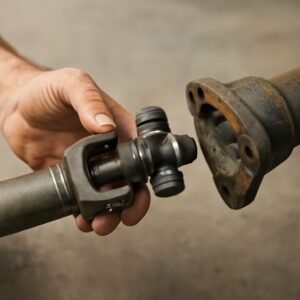
A whining or howling noise that changes pitch with vehicle speed is the most recognizable sign of differential wear. This typically points to worn ring-and-pinion gears or failed carrier bearings. A clunking noise when transitioning from acceleration to deceleration may indicate excessive gear backlash from worn components. Vibration felt through the floor during acceleration can also originate from differential problems, though driveshaft and CV joint faults produce similar symptoms and should be evaluated at the same time.
Fluid Leaks and Wear Differential fluid lubricates the gears and bearings inside the housing. Low fluid from a leak causes accelerated wear and heat buildup that shortens component life. Most manufacturers specify differential fluid changes every 30,000 to 60,000 miles, or after water exposure such as off-road driving through streams. Fluid that appears dark, metallic, or smells burnt indicates internal wear and warrants immediate inspection. Replacing fluid early is far less expensive than rebuilding a differential housing.
Dash Car and Magnetic Car Technology in Modern Drivetrains
Dash car displays now integrate real-time drivetrain monitoring, including differential lock status, torque distribution percentages on all-wheel drive systems, and traction control intervention indicators. Magnetic car sensor arrays — specifically wheel speed sensors and differential-mounted sensors — feed data to the vehicle stability system that adjusts braking and power distribution hundreds of times per second. When these sensors fail or give incorrect readings due to differential wear, traction control and ABS behavior becomes erratic, and warning lights appear on the dash car interface.
Diagnosing and Repairing Differential Issues
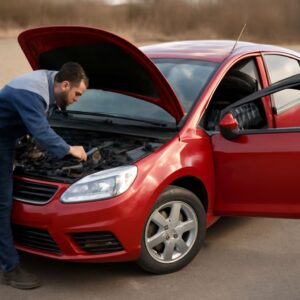
Diagnosing a differential starts with draining and inspecting the gear oil for metal particles. Significant metallic contamination confirms internal wear even before the differential is opened. A road test that isolates the noise to specific speeds and driving conditions helps distinguish a differential fault from wheel bearing or driveshaft noise. Repair options range from a fluid change and seal replacement at the low end to a full differential rebuild or replacement unit. A remanufactured or used differential from a low-mileage donor vehicle is often more cost-effective than rebuilding a severely worn unit.
Key takeaways: A car differential is a wear item that requires scheduled fluid maintenance and periodic inspection. Catching noise or vibration symptoms early reduces repair scope substantially. Understanding how the differential interacts with modern traction control systems helps diagnose a broader range of drivetrain warning signs.