What kind of trailer do you actually need to move a car safely? The answer depends on your vehicle, your towing setup, and how often you plan to haul. A small car trailer covers a broad range of options, from open flatbed designs to purpose-built tow dollies, and picking the wrong one can cost time, money, and clearance at loading ramps. Whether you’re looking at a flatbed car trailer, an rv car trailer, a single axle car trailer, or browsing small car trailers at a rental counter, understanding what each type does will help narrow the field fast.
What Is a Small Car Trailer and Who Needs One
A small car trailer is a towed platform or frame designed to carry a passenger vehicle. These trailers differ from utility or cargo trailers in that they accommodate the wheel base and weight of a car rather than loose goods. Typical users include people relocating, buyers transporting a recent purchase, weekend racers, and RV travelers who need their personal vehicle on hand at a destination. Trailer size ratings, tongue weight limits, and axle configurations vary widely, so matching the trailer to the tow vehicle matters as much as matching it to the car being hauled.
Flatbed Car Trailer: Load Flexibility for Everyday Use
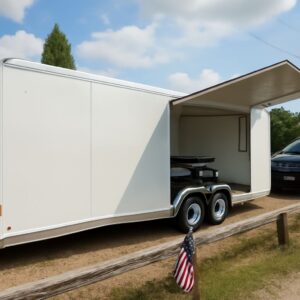
A flatbed car trailer places all four wheels on a continuous flat surface, giving the driver complete loading flexibility. Front-wheel-drive, rear-wheel-drive, and all-wheel-drive vehicles all load cleanly onto a flatbed, since no wheels remain in contact with the road during transport. This makes the flatbed format the most universal choice. Ramp angle and deck length are the two measurements that matter most when evaluating a flat-bed unit. Aluminum decks weigh less and resist corrosion, while steel decks tolerate heavier loads. Most flatbed trailers in the compact category have payload ratings between 3,500 and 7,000 pounds.
RV Car Trailer: Towing Your Vehicle Behind a Motorhome
An rv car trailer is a trailer designed specifically for RV owners who want to bring a secondary vehicle along on longer trips. Standard tow dollies and four-wheel flatbeds both qualify as rv car trailers depending on the vehicle being towed. Choosing between a dolly and a full four-wheel platform comes down to the drivetrain of the towed car. Front-wheel-drive cars tow cleanly on a two-wheel dolly, while rear-wheel-drive and all-wheel-drive vehicles generally require a four-wheel trailer to prevent drivetrain damage. Weight distribution also matters with an RV setup because the combined length and mass affect braking distance and lane management.
Single Axle Car Trailer: Lightweight Option for Compact Loads
A single axle car trailer uses one axle and two wheels rather than the tandem configuration found on heavier models. This design keeps unloaded trailer weight low, which reduces the demand on the tow vehicle and improves fuel economy. Single-axle trailers are best suited for lighter vehicles, typically those under 3,500 pounds. The trade-off is stability: at highway speeds, a single-axle unit is more sensitive to crosswind and load placement than a tandem model. Proper weight distribution on a single axle car trailer, with roughly 60 percent of the cargo weight ahead of the axle, reduces sway and improves handling.
How to Choose the Right Small Car Trailers for Your Situation
Comparing small car trailers means looking at payload rating, axle count, deck material, and ramp style together rather than any one factor alone. Start with the gross vehicle weight rating of the car you’re moving, then add at least a 15 percent buffer to stay safely within the trailer’s rated limit. Check that the tow vehicle’s hitch class and tongue weight rating match the loaded trailer. Rental options work well for one-time moves, while buyers who haul cars regularly will usually find ownership more economical over two or three years. For any trailer type, verify that brake controller requirements, lighting connections, and safety chain attachment points meet local road standards before the first trip.
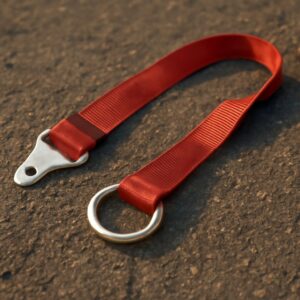
Pro tips recap: Always load the heaviest axle of the towed car over the trailer axle, confirm the tow vehicle’s payload limits before hitching, and check tire pressure on both trailer and tow vehicle before each trip. A pre-trip walk-around of the ratchet straps or wheel chocks takes less than five minutes and prevents most load-shift problems on the road.