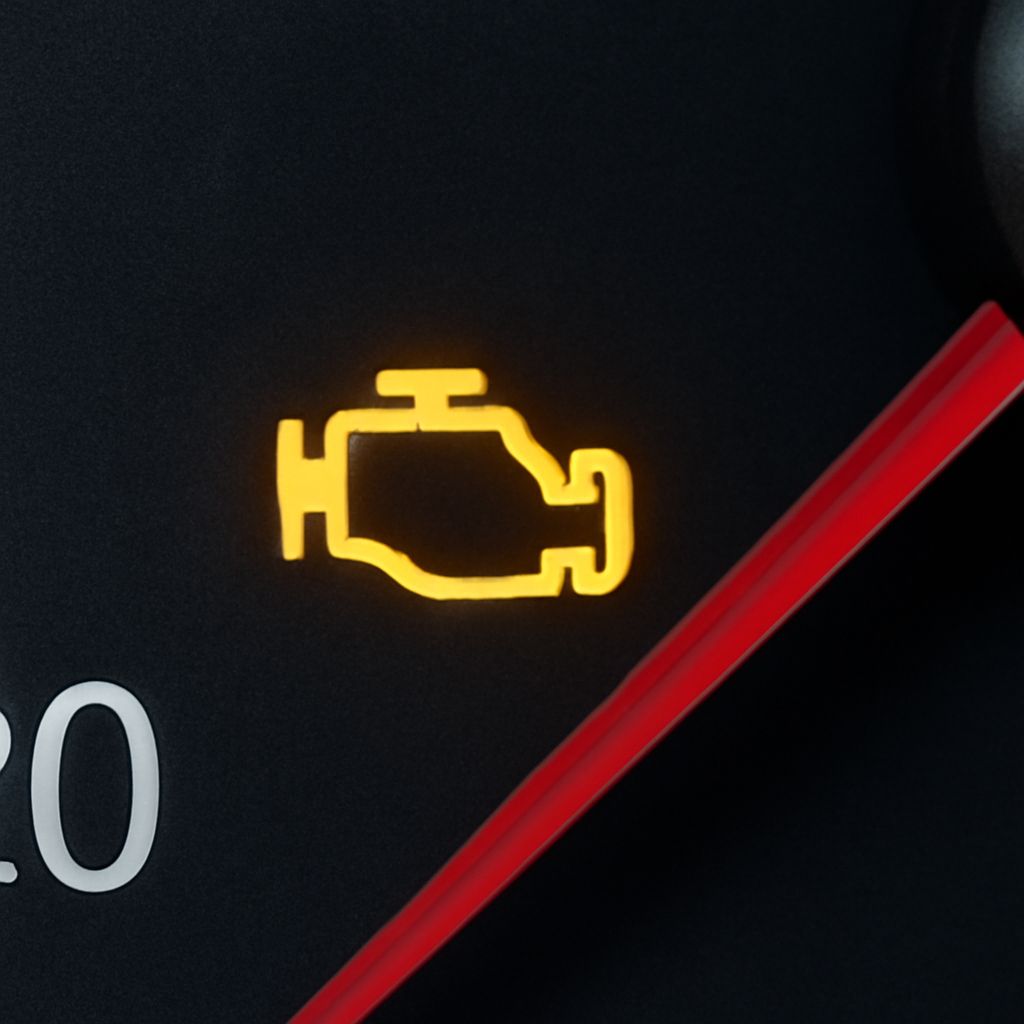
Few warning combinations are more urgent than a flashing check engine light paired with a rough-running engine. When check engine light flashing car shaking appears together, the vehicle is almost always experiencing an active misfire serious enough to damage the catalytic converter within minutes of continued driving. A steady check engine light car shaking situation is less urgent but still requires prompt diagnosis, as the same misfire or sensor failure responsible for the light is also causing the shake. Whether the problem presents as check engine light blinking car shaking, car shaking when idle check engine light steady, or a condition where the car shakes when driving and check engine light is on, the underlying causes are well-understood and the diagnostic process is straightforward with the right tools.
What the Check Engine Light Flashing Car Shaking Combo Signals
Misfire Codes and What They Mean A check engine light flashing car shaking combination is the engine control module’s way of signaling an active, severe misfire. When one or more cylinders fail to fire correctly, unburned fuel passes into the exhaust stream and reaches the catalytic converter, where it can overheat and melt the catalyst substrate. The OBD-II system responds to this by flashing the check engine light rather than illuminating it steadily. Pulling codes immediately will return P0300-series misfire codes, with the trailing digit identifying the specific cylinder if the misfire is consistent.
Fuel and Ignition System Failures
The most common causes behind a check engine light flashing car shaking event are spark plug failure, ignition coil failure, a clogged or leaking fuel injector, and low compression from a burned valve or worn piston rings. Each of these prevents a cylinder from completing a full combustion cycle, producing a rough, shaking idle and a loss of power under acceleration. Coil-on-plug ignition systems make individual coil failure easy to test by swapping the suspect coil to a different cylinder and checking whether the misfire code follows the coil.
Check Engine Light Car Shaking: Decoding the Warning
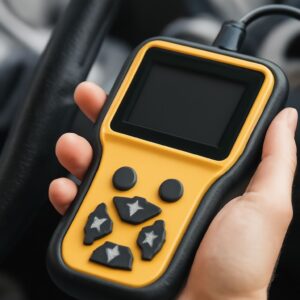
A steady check engine light car shaking condition without a flashing light still requires attention, but it indicates an intermittent rather than continuous misfire, or a related fault such as a failing mass airflow sensor, a vacuum leak, or a faulty oxygen sensor affecting the air-fuel mixture. A check engine light car shaking situation that improves after the engine warms up often points to a failing coolant temperature sensor that causes the ECU to deliver an incorrect fuel mixture during the warm-up phase. Reading freeze frame data from the OBD-II scanner shows engine load, RPM, and temperature at the moment the fault was stored, which narrows the diagnosis significantly.
Check Engine Light Blinking Car Shaking: Steady vs. Flashing Light
The distinction between a steady and flashing check engine light determines the urgency of the response. A check engine light blinking car shaking condition means the misfire is happening right now and is severe enough to risk catalytic converter damage, and the vehicle should be driven no further than necessary until the fault is corrected. A steady light with shaking present is still a fault requiring diagnosis, but it does not carry the same immediate risk of component damage. Many drivers misread a check engine light blinking car shaking event as a minor inconvenience; a converter replacement typically costs several times more than the ignition repair that would have prevented it.
Car Shaking When Idle Check Engine Light: Idle-Specific Causes
Vacuum Leaks and Idle Control
When car shaking when idle check engine light is the presenting symptom, vacuum leaks are a primary suspect. A cracked intake manifold gasket, a split vacuum hose, or a failed brake booster diaphragm allows unmetered air to enter the intake, leaning out the mixture and causing rough combustion at idle. The idle control valve or throttle body may also accumulate carbon deposits that prevent stable airflow at low RPM, producing the same shaking pattern.
Dirty Throttle Body
A throttle body with heavy carbon buildup restricts airflow unevenly, causing idle speed to hunt up and down. This car shaking when idle check engine light pattern often stores lean-mixture or idle-system codes. Cleaning the throttle body with an appropriate solvent and a soft cloth resolves this in many cases without replacing any components.
Car Shakes When Driving and Check Engine Light Is On: Road-Speed Issues
When the car shakes when driving and check engine light is on during acceleration or at road speed rather than at idle, the fault is more likely load-sensitive. Transmission-related codes, failing wheel speed sensors feeding incorrect data to the traction control system, or a catalytic converter with restricted flow can all cause rough running under driving loads. A car shakes when driving and check engine light is on situation accompanied by hesitation or stumbling under hard acceleration usually points to fuel delivery problems, such as a weak fuel pump or clogged filter limiting fuel pressure at high engine demand.
How to Respond and Get the Right Repair
Stop driving immediately if the check engine light is flashing. Pull a code reading before clearing any fault codes, as freeze frame data disappears when codes are cleared. Address the highest-priority fault first, usually the active misfire, before investigating secondary codes.
Pro tips recap: A flashing check engine light always means stop and diagnose before driving further. Use freeze frame data from the scanner to understand conditions at fault onset. Fix the misfire cause before clearing codes or the catalytic converter will absorb further damage on every subsequent drive.