What to Ask When Buying a Used Car: A Comprehensive Guide
What questions should a potential buyer consider when purchasing a used car? Navigating the process can be challenging, especially with the myriad of options available. Understanding the essential questions to ask when buying a used car can significantly impact the decision-making process. From understanding your financial constraints to evaluating vehicle history, being well-informed can lead to a successful purchase. This guide provides insights into what to ask for when buying a used car to ensure you make a smart investment.
Before sealing the deal, it’s crucial to have a checklist of key questions. These include inquiries about the vehicle’s past, the seller’s credentials, and the car’s current condition. Each step, from confirming the maintenance history to understanding your budget, helps in making an informed decision. So, what are the essential factors to consider when buying a used car?
Understanding Your Needs and Budget
Assessing Your Requirements
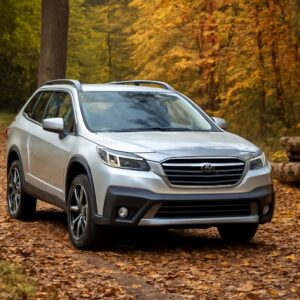
Before diving into the used car market, it’s essential to assess personal requirements. Consider factors such as the type of car needed, the intended use, and the typical terrain it will navigate. It’s also important to think about the number of passengers and the necessary cargo space. These elements will guide the choice of a suitable car model.
Setting a Realistic Budget
Establishing a financial limit is a crucial step in the buying process. Determine how much can be spent on the car itself and consider additional costs such as insurance, maintenance, and potential repairs. A realistic budget helps in narrowing down choices and prevents financial strain.
Key Questions to Ask the Seller
Vehicle History and Maintenance
Understanding the vehicle’s history is paramount. Ask for a detailed report that includes past accidents, service records, and the number of previous owners. Inquire if regular maintenance was performed and request documentation to verify these claims.
Warranty and Return Policy
If available, a warranty can provide peace of mind. Inquire about any remaining manufacturer warranties or if the seller offers a separate warranty. Additionally, clarify the return policy should the car not meet expectations after purchase.
Inspecting the Used Car
Exterior and Interior Checks
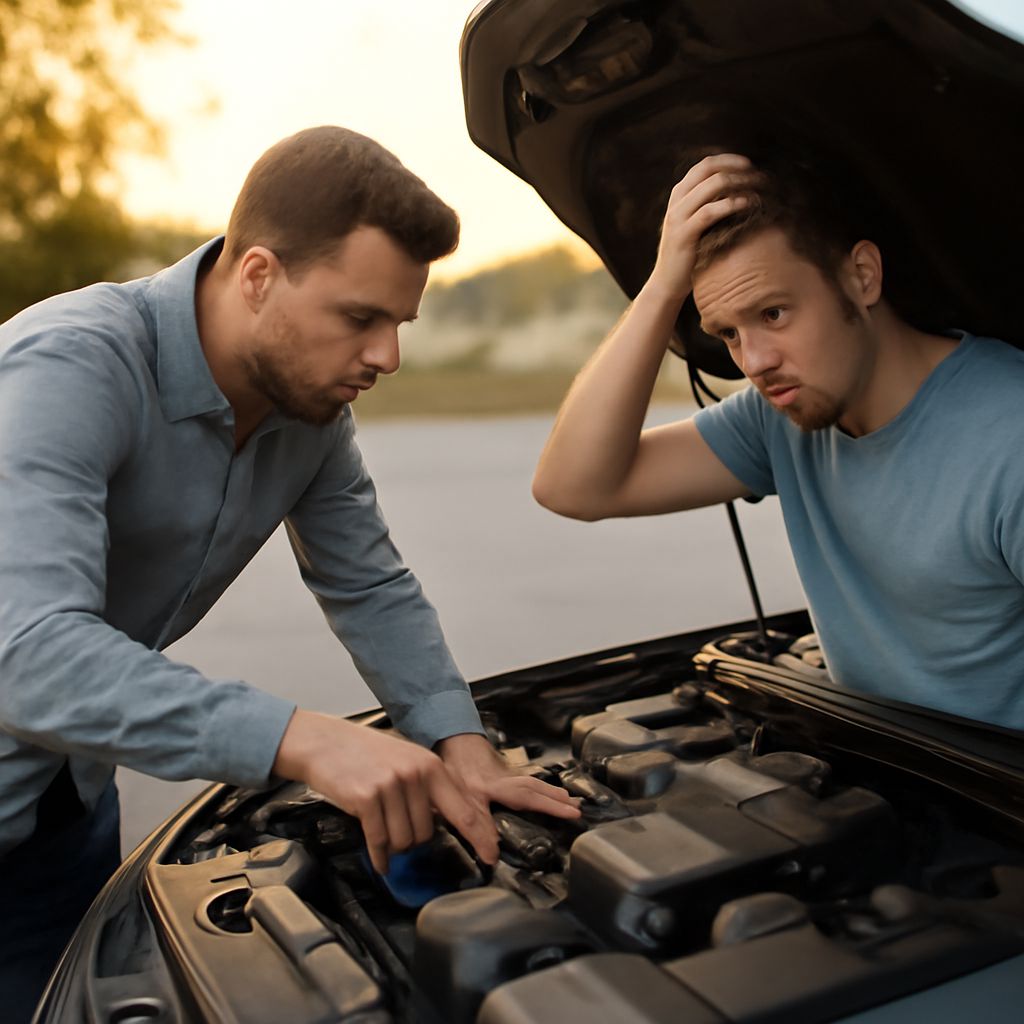
A thorough examination of the car’s exterior and interior is essential. Look for signs of wear and tear, rust, or mismatched paint that might indicate past repairs. Inside, check the condition of the seats, electronics, and air conditioning system. These elements can affect the car’s value and usability.
Test Driving Tips
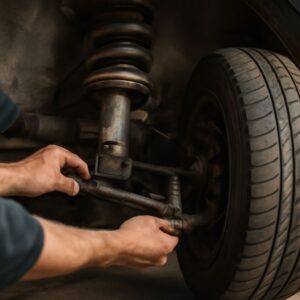
A test drive is a non-negotiable step in the buying process. During the drive, pay attention to how the car handles, any unusual noises, and the responsiveness of the brakes and steering. This helps identify any underlying mechanical issues that might not be visible.
Final Considerations Before Purchase
Negotiating the Price
Armed with information from inspections and reports, negotiate the price. Use the car’s condition, history, and market value as leverage. It’s essential to approach negotiations with a clear understanding of the car’s worth to achieve a fair deal.
Reviewing Paperwork
Before finalizing the purchase, meticulously review all paperwork. Ensure the title is clear, verify the vehicle identification number, and confirm that all documents are in order. Proper documentation is crucial to avoid future legal complications.