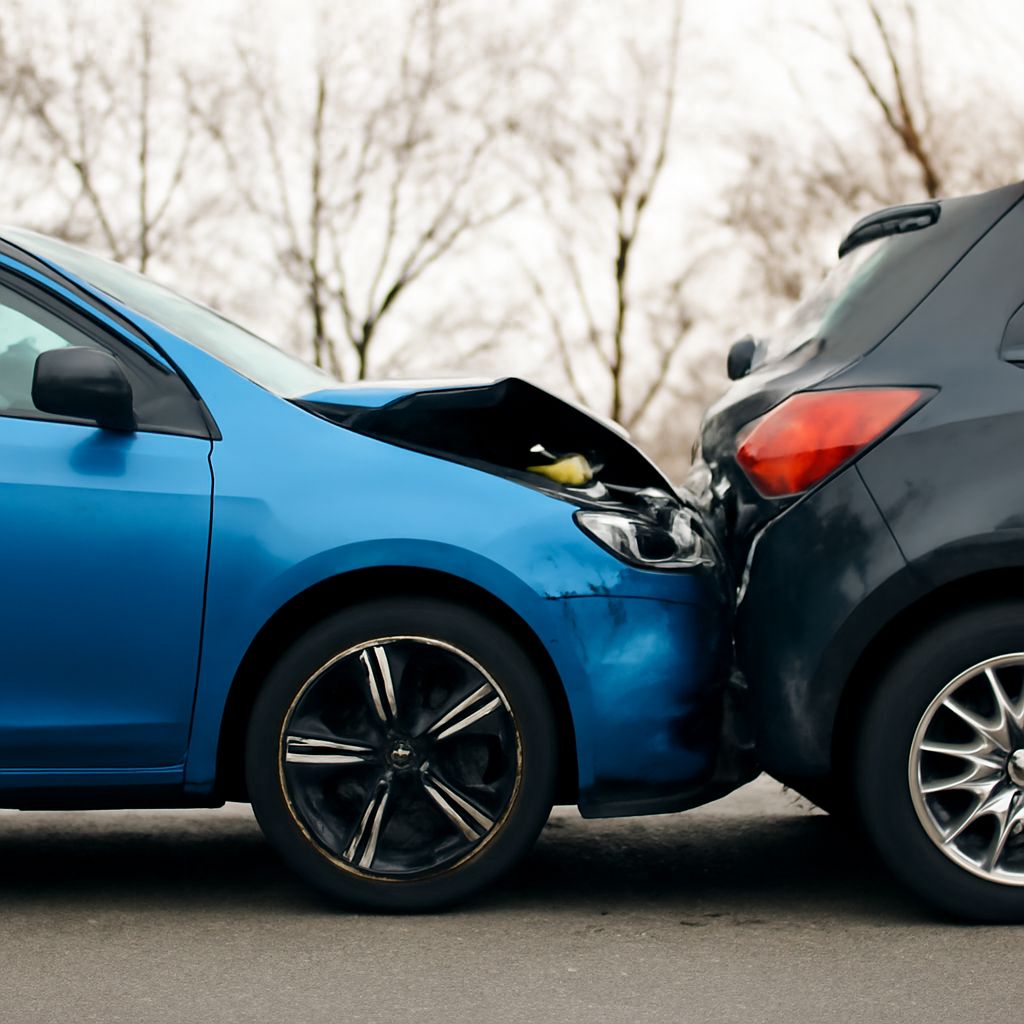
Rear Ended Car: What to Do After a Rear-End Collision
Few driving situations are as jarring or disorienting as having your vehicle struck from behind without warning. When a rear ended car situation occurs, the seconds and minutes immediately after the impact matter significantly for safety, legal protection, and insurance outcomes. Knowing the correct sequence of actions before it happens can prevent costly mistakes made under stress.
A rear ended car accident ranges from minor fender damage to serious structural harm, depending on speed and vehicle type. Car rear ended incidents account for roughly 29 percent of all crashes in the United States annually. Whether someone struck a car from behind or was hit by another driver, the steps that follow the impact are nearly identical. Understanding rear end car dynamics — what forces are involved and what damage to expect — helps drivers make better decisions at the scene. Knowing what to do when a car from behind causes a collision can also protect legal rights in the days that follow.
Immediate Steps at the Scene
Checking for Injuries
Before doing anything else, everyone involved should assess for injuries. Whiplash, head trauma, and chest bruising from seatbelts may not produce immediate sharp pain but can worsen within hours. Call emergency services for any injury, no matter how minor it appears. Avoid moving anyone who complains of neck or back pain until paramedics arrive. Moving an injured person incorrectly can turn a treatable injury into a permanent one.
Documenting the Accident
Once safety is confirmed, document the scene thoroughly. Photograph all vehicle positions before moving them, close-up images of all contact points, license plates, road conditions, traffic signals, and any visible skid marks. Collect the other driver’s license, registration, and insurance information. Note the names and contact details of any witnesses. A thorough photo record made at the scene is far more valuable to an insurer or attorney than anything reconstructed later from memory.
Understanding Fault in Rear-End Collisions
In most jurisdictions, the trailing driver is presumed at fault in a rear-end collision because following distance and attentiveness are that driver’s responsibility. However, fault is not always absolute. If the front driver cut off the rear driver suddenly, braked without warning, or had non-functioning brake lights, comparative or contributory negligence may reduce or shift liability. A police report filed at the scene creates an official record that supports any fault determination. Drivers should avoid admitting fault verbally at the scene regardless of the circumstances.
Assessing Vehicle Damage After a Rear-End Impact
Even low-speed collisions can cause damage that is not visible on the surface. Bumper reinforcement bars, trunk floors, and rear frame rails absorb energy but may be bent without any visible exterior deformation. Tail light assemblies, wiring harnesses, and sensors embedded in modern bumper systems are particularly vulnerable. A professional collision inspector or body shop technician should assess the vehicle on a lift before any insurance settlement is finalized, since hidden damage discovered later may not be covered.
Dealing with Insurance After a Rear-End Crash
Report the accident to the insurance carrier promptly, typically within 24 hours, regardless of who is at fault. Provide only factual information — date, time, location, and the other party’s details. Avoid speculating about injuries or fault in the initial report. If the at-fault driver’s insurer contacts directly, responses should be limited to basic facts; having an attorney review any recorded statement request is advisable before agreeing to one. Keep all repair invoices, rental car receipts, and medical bills organized, as these support any claim for damages or reimbursement.
When to Seek Medical Attention
Whiplash and soft-tissue injuries frequently appear 24 to 72 hours after the collision. Symptoms including neck stiffness, shoulder pain, headache, or dizziness following a rear-end collision warrant a medical evaluation even if the driver felt fine at the scene. A medical record created close in time to the accident documents the connection between the crash and any injury, which is relevant if a personal injury claim is filed. Delaying evaluation can complicate that connection later.
Pro tips recap: Always call police and get a report, even for minor damage. Document everything at the scene before moving vehicles. See a doctor within 48 hours if any discomfort develops — early documentation protects both health and legal rights.