New Car Break In Period: What to Do in the First 1,000 Miles
The new car break in period is a critical phase that many owners overlook because modern vehicles seem ready to perform at full capacity from the first drive. In reality, the engine, transmission, and braking systems all benefit from a measured approach during the first 500 to 1,000 miles. How many miles should a new car have when purchased? Typically fewer than 50—higher mileage on a new vehicle may indicate it was used as a demonstrator or suffered transport damage worth investigating.
The break-in phase applies broadly—from a family sedan to a brand new muscle car—and understanding the process helps protect both performance and warranty coverage. This guide also addresses the real-world question of when to replace engine or buy new car, and explores the legacy of the new smokey and the bandit car as a piece of automotive history that reflects how ownership culture has evolved.
What the New Car Break In Period Actually Requires
Engine RPM and Speed Guidelines
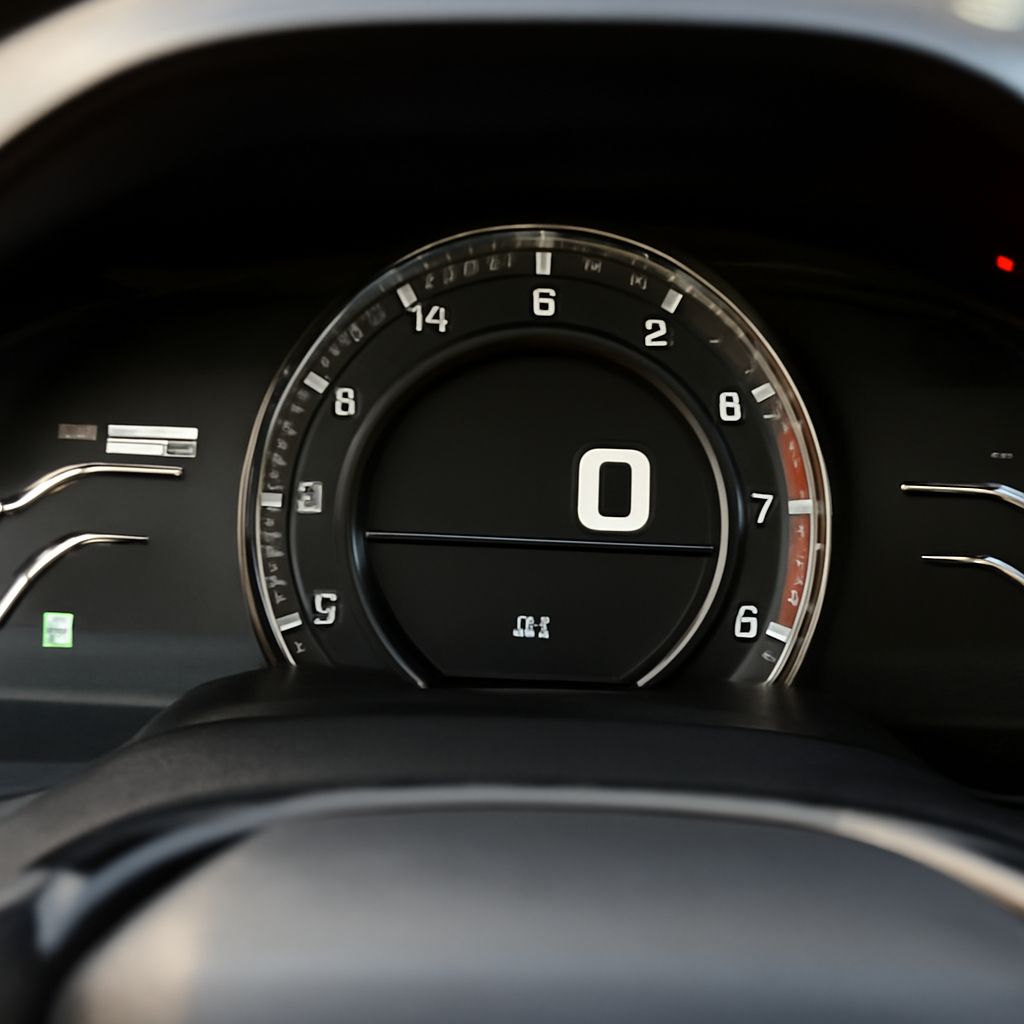
During the new car break in period, keeping engine RPM below 3,000 to 3,500 for the first 500 miles allows piston rings, cylinder walls, and bearing surfaces to seat properly. Sustained high-speed highway driving at a fixed RPM for extended periods is also discouraged, as it prevents the varied load conditions that promote even wear-in. Vary speed regularly, allow the engine to reach full operating temperature before any spirited acceleration, and avoid towing or carrying heavy loads during the initial break-in phase.
Braking and Acceleration Rules
Brake pads and rotors also benefit from a break-in procedure. Avoid hard stops from high speeds during the first 200 miles. Instead, perform a series of moderate stops from 30 mph to near-zero, allowing the brakes to cool between each application. This process seats the pad material evenly against the rotor surface and reduces the risk of brake judder later. The same measured approach applies to acceleration—avoid wide-open throttle runs until the engine has been through several heat cycles.
How Many Miles Should a New Car Have at Purchase
How many miles should a new car have when delivered from a dealership? Most new vehicles arrive from the factory with fewer than 10 miles—the distance from the rail yard or transport carrier to the lot. A vehicle showing 50 to 200 miles at purchase may have been used as a dealer demonstrator, driven during a test event, or transported via road rather than rail. While this is not always problematic, buyers should ask for an explanation and confirm the vehicle’s history before completing the purchase. How many miles should a new car have is a useful benchmark: anything above 300 miles warrants a detailed inspection and documentation of the circumstances.
Replace Engine or Buy New Car: When the Math Changes
The decision to replace engine or buy new car depends on the vehicle’s overall condition, remaining value, and the cost of the replacement engine itself. A full engine replacement, including parts and labor, typically ranges from $3,000 to $7,000 for a common domestic vehicle. If the vehicle’s market value exceeds the repair cost and the rest of the car is in good condition, engine replacement is often the financially sound choice. The calculus shifts when the vehicle has high mileage, significant body damage, or other systems approaching end of life. Replace engine or buy new car decisions benefit from a professional assessment of the vehicle’s total mechanical condition before committing to either path.
Brand New Muscle Car Break-In Considerations
A brand new muscle car with a high-displacement V8 requires the same measured break-in approach as any other new vehicle—despite the temptation to use full throttle immediately. Manufacturers of high-performance vehicles universally recommend following the break-in protocol in the owner’s manual, which typically mirrors the guidelines described above. A brand new muscle car that is broken in properly will produce more consistent power output and exhibit more even cylinder wear over its lifespan than one subjected to hard use in the first few hundred miles.
The New Smokey and the Bandit Car and Its Legacy
The new smokey and the bandit car—the 1977 Pontiac Trans Am featured in the original film—became one of the most recognizable automotive icons in American pop culture. Modern tributes and continuation models draw directly on that legacy, and the new smokey and the bandit car concept continues to influence muscle car styling decades later. The original film’s depiction of high-speed driving across state lines represents a romanticized era of car culture that shaped how many owners perceive performance vehicles. Key takeaways: follow the new car break in period protocol to protect long-term performance, confirm mileage history when purchasing, and evaluate the replace engine or buy new car decision with a full cost analysis rather than emotion alone.