Luxury Sports Car Maintenance: Tires, Seats, and What Owners Should Know
Owning a luxury sports car carries a different maintenance responsibility than owning a family sedan. Performance-tuned suspension, low-profile tires, high-output engines, and premium cabin materials all demand attention to specific service intervals and products. Neglecting any one of these areas erodes both the driving experience and the vehicle’s residual value.
This guide covers what luxury sports car owners need to know about sports car tire selection and care, how to maintain sports car seats that see significant use, what sports car companies typically specify for scheduled service, how sports car decals interact with paint care routines, and practical habits that keep a performance vehicle at its best year-round.
Sports Car Tire Selection and Maintenance
Performance Tire Categories
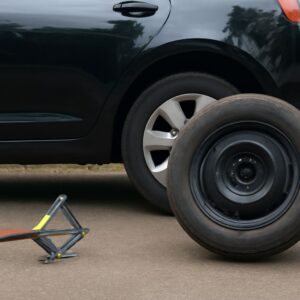
A sports car tire falls into one of several performance categories: ultra-high performance all-season (UHP A/S), ultra-high performance summer (UHP summer), and track/competition compounds. UHP summer tires offer significantly more grip and handling precision than all-season alternatives but lose traction below 40 degrees Fahrenheit. Track compounds have shorter tread life and generate higher heat in normal driving. Most owners of street-driven luxury sports cars find UHP summer tires the best balance of performance and wear life for daily and spirited road use.
Tire Rotation and Pressure for Low-Profile Fitments
Many sports car tire setups use staggered fitments — wider tires at the rear than the front — which prevents front-to-rear rotation. These configurations require monitoring wear separately at each axle and replacing front or rear pairs independently when wear thresholds are reached. Low-profile sidewalls (35 to 45 series) transmit curb impacts to the wheel more directly, making regular pressure checks more important than on standard vehicles. Even 5 PSI under the specified pressure affects handling geometry and increases the risk of sidewall failure on an impact.
Caring for Sports Car Seats
Sports car seats in luxury vehicles typically use full leather, perforated leather, or Alcantara surfaces, and each requires a different care approach. Full leather benefits from cleaning with a pH-neutral leather cleaner applied with a soft brush, followed by a leather conditioner every three to four months. Perforated leather requires extra care to avoid soaking the perforations — moisture can reach the foam backing and cause odor. Alcantara should never be cleaned with solvent-based products; a dedicated Alcantara cleaner applied with a lint-free cloth maintains the texture without flattening the nap. Sports car seats with bolstering receive concentrated wear on the outer edges from lateral support during cornering, so those areas need more frequent attention than flat seat cushions.
How Sports Car Companies Approach Scheduled Maintenance
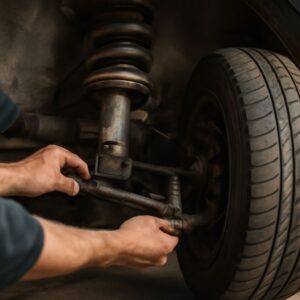
Sports car companies typically require shorter service intervals than mainstream manufacturers because higher-revving engines, closer tolerances, and performance-grade fluids have different degradation rates. Oil service intervals on many naturally aspirated sports cars run 5,000 to 7,500 miles rather than the 10,000-mile norm of economy vehicles. Turbocharged sports cars may require even more frequent changes due to oil coking risk near the turbocharger. Brake fluid is hygroscopic — it absorbs moisture over time — and performance-oriented manufacturers often specify annual brake fluid replacement to maintain consistent pedal feel and boiling point under hard use. Timing chains, spark plugs, and coolant all have defined replacement intervals in the service schedule that should not be treated as optional.
Sports Car Decals and Exterior Care
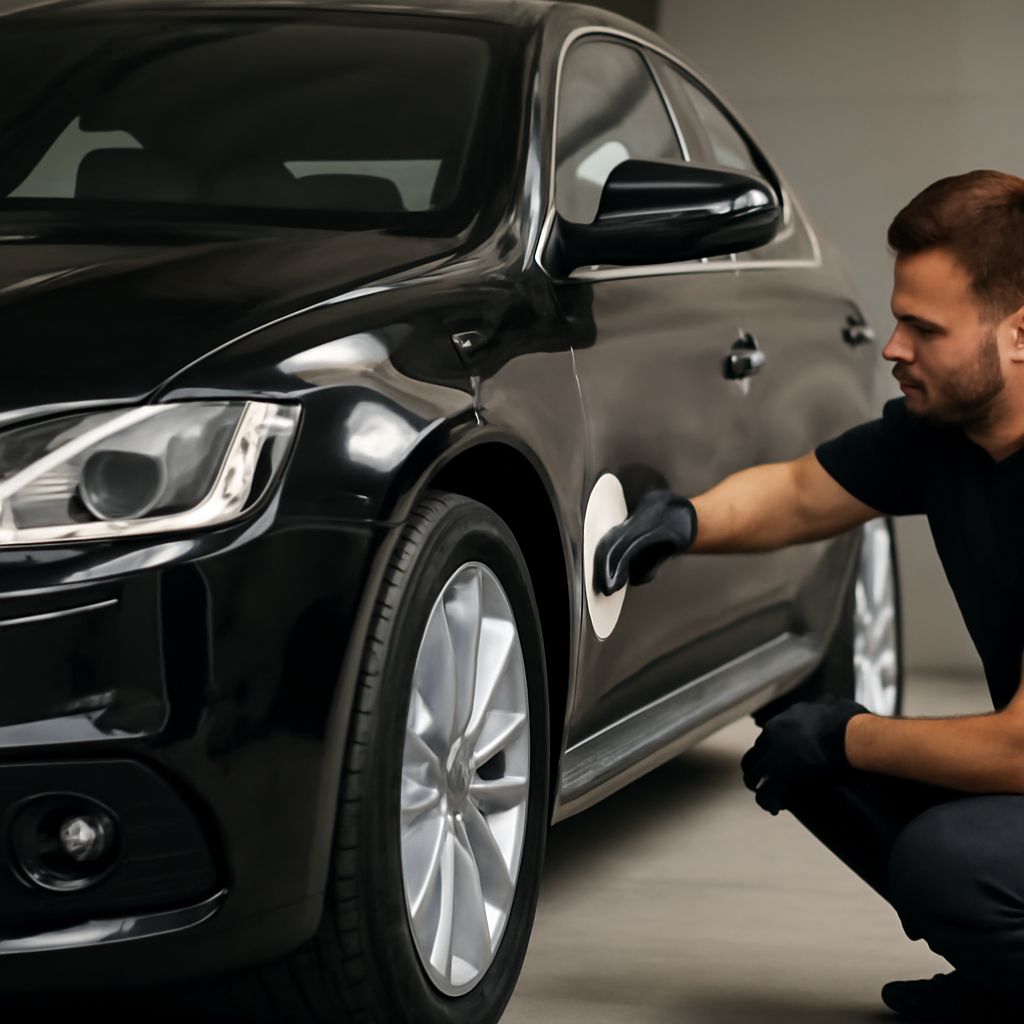
Sports car decals, whether factory-applied racing stripes or aftermarket graphics, require specific care to remain clean and adhere properly. Standard car wash brushes and automated car washes with rotating brushes can lift decal edges over time, particularly at corners and seams. Hand washing is the safest method. When applying paint protection film or ceramic coating over a decaled area, the decal must be installed first and be fully cured. Ceramic coatings applied over sports car decals protect both the graphic and the surrounding paint simultaneously but require professional application to avoid lifting the decal edges during the leveling process.
Keeping a Luxury Sports Car in Peak Condition
Storage matters for performance vehicles. A luxury sports car parked for more than a few weeks benefits from a battery tender, a tire cradle or periodic repositioning to prevent flat spots on low-profile tires, and a breathable car cover. Fuel stabilizer prevents varnish buildup in fuel injectors during extended storage. Returning a stored vehicle to service includes a brake inspection — rotors develop surface rust quickly on a parked car, and the first few brake applications from cold should be gentle to allow the pads to sweep the surface before demanding full stopping power.
Pro tips recap: Match tire compound to actual usage conditions, not just performance aspirations. Inspect seat bolster wear during each interior detailing session. Follow the manufacturer service schedule with no more than 10 percent extension on oil intervals for turbocharged cars. Treat decals as paintwork during every wash.