How to Remove Cigarette Smell from Car: Practical Methods That Work
Tobacco odor embeds itself into fabric, foam, plastic, and ventilation systems, making it one of the most persistent smells a car interior can absorb. How to remove cigarette smell from car effectively requires more than a can of air freshener; it takes a systematic approach that addresses every surface where smoke compounds settle. Getting the smoke smell out of car interiors fully often takes more than one treatment, especially in vehicles that were smoked in regularly over months or years.
Whether dealing with a used car purchase or a change in household habits, the goal is to get smoke smell out of car materials without damaging upholstery or trim. Smoke smell in car cabins is caused by tiny particles and chemical residues that cling to porous surfaces. Learning how to get smoke out of car effectively means targeting those surfaces directly rather than masking the odor temporarily.
Start with a Deep Clean of All Surfaces
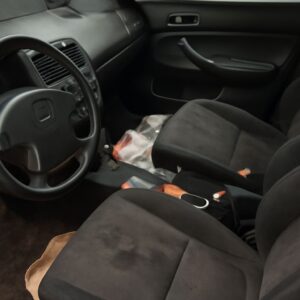
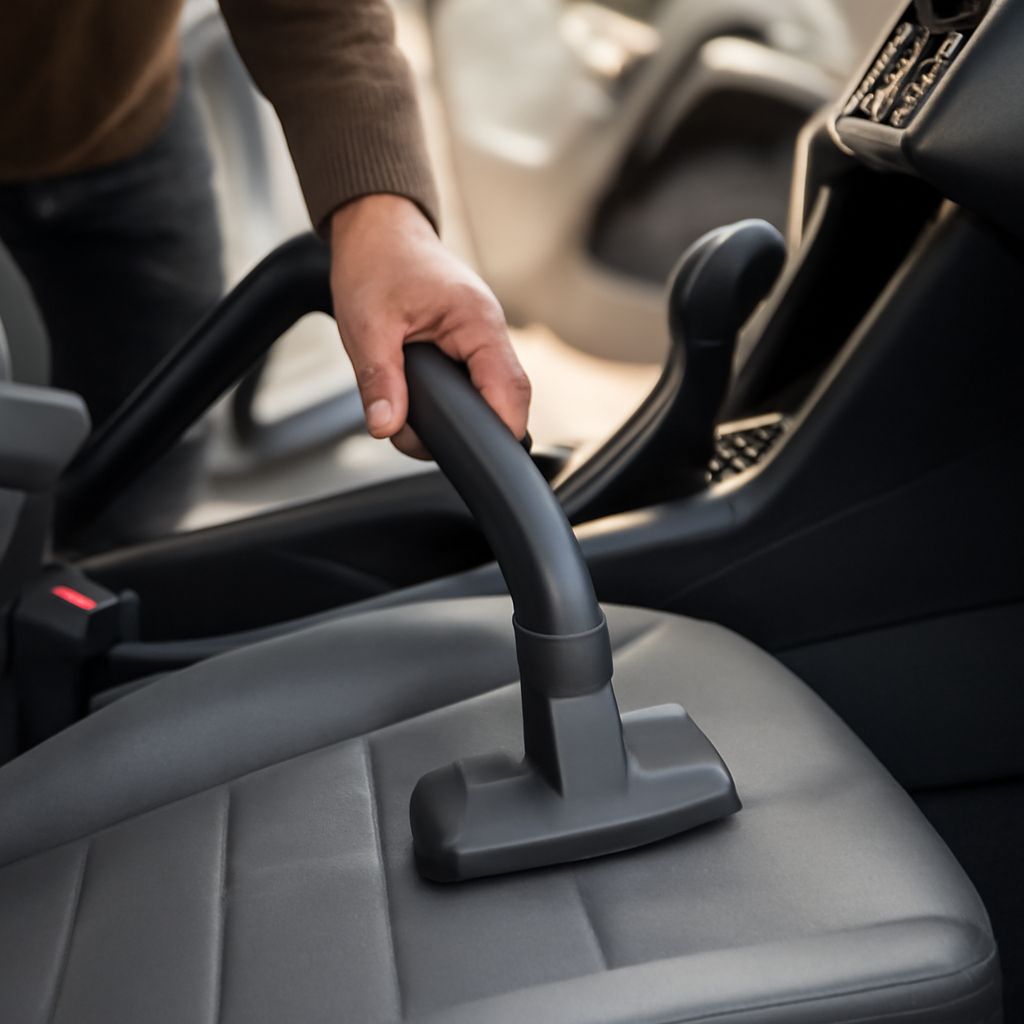
Before applying any odor treatments, remove everything from the cabin, including floor mats, seat covers, and any items stored in pockets or compartments. Vacuum every surface thoroughly, including under seats, in crevices, and through vent openings. Smoke particles settle in hidden areas that are easy to overlook.
Wipe down all hard surfaces, including the dashboard, door panels, center console, and headliner (if it is plastic or vinyl), using an all-purpose cleaner. Residue from smoke accumulates on these surfaces and continues to off-gas even after fabric cleaning is complete. Cleaning hard surfaces first prevents recontamination of upholstery.
Clean Fabric Seats and Carpets
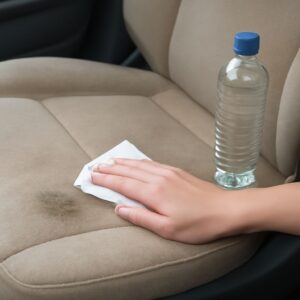
Cloth seats and carpets absorb smoke smell in car interiors deeply. Use an upholstery cleaner or a diluted solution of white vinegar and water applied with a brush or spray bottle, then blot with a clean cloth rather than rubbing. Enzymatic cleaners break down odor-causing compounds at a molecular level and work well on both fabric seats and carpet fibers.
Steam cleaning is one of the most effective ways to get smoke smell out of car upholstery. The heat and moisture penetrate fabric more deeply than liquid cleaners alone, releasing embedded particles. Renting a portable steam cleaner or hiring a professional detailer for this step produces noticeably better results than surface-level scrubbing.
Treat the Ventilation System
Smoke smell in car cabins often persists because the HVAC system circulates odor-laden air through the cabin each time the fan runs. Replace the cabin air filter first, as filters trap smoke particles and become a continuous odor source. After replacing the filter, spray an odor-eliminating product approved for HVAC use into the fresh air intake (usually located near the base of the windshield) while running the fan on high with the air conditioning set to fresh air mode.
Some detailers use ozone generators for how to remove cigarette smell from car ductwork, since ozone breaks down odor molecules at a chemical level. Ozone treatments require the vehicle to sit unoccupied during and for a period after treatment, as ozone at high concentrations is harmful to breathe.
Use Odor Absorbers for Ongoing Control
After cleaning, place activated charcoal bags or baking soda containers in the cabin to continue absorbing residual odors. Both materials draw moisture and chemical compounds from the air passively. Leave them in the car for several days with windows slightly cracked to allow ventilation. This step is particularly useful after deep cleaning when trace odors linger.
White vinegar in an open container left in the car overnight also neutralizes airborne smoke compounds. The vinegar smell dissipates within hours once the container is removed, taking much of the remaining smoke odor with it. This is a low-cost complement to other methods for how to get smoke out of car interiors.
Bottom Line
Eliminating tobacco odor from a vehicle takes multiple steps applied consistently. Deep cleaning, ventilation system treatment, and passive odor absorbers together address the problem from all angles. Skipping any one step typically leaves enough residual smell to remain noticeable, especially on warm days when heat reactivates embedded compounds.