Hand Wash Car Wash: The Complete Guide to Professional-Level Results
Is a hand wash car wash worth the extra effort compared to an automatic tunnel? For vehicle owners who care about paint condition, the answer is consistently yes. A car hand wash eliminates the abrasive contact that automated systems impose on clear coat, reducing the risk of swirl marks and micro-scratches that accumulate over time. Combined with a proper car wash detail routine, the results rival professional shop work.
Understanding the difference between a detailing car wash and a basic exterior rinse helps owners make informed decisions about how much time and product to invest. A detailed car wash addresses every surface—from door jambs to wheel wells—rather than just the visible painted panels.
Why Hand Washing Protects Paint Better
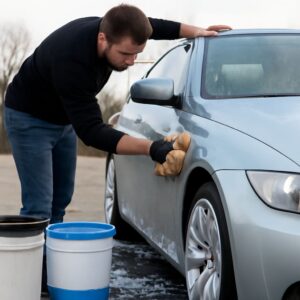
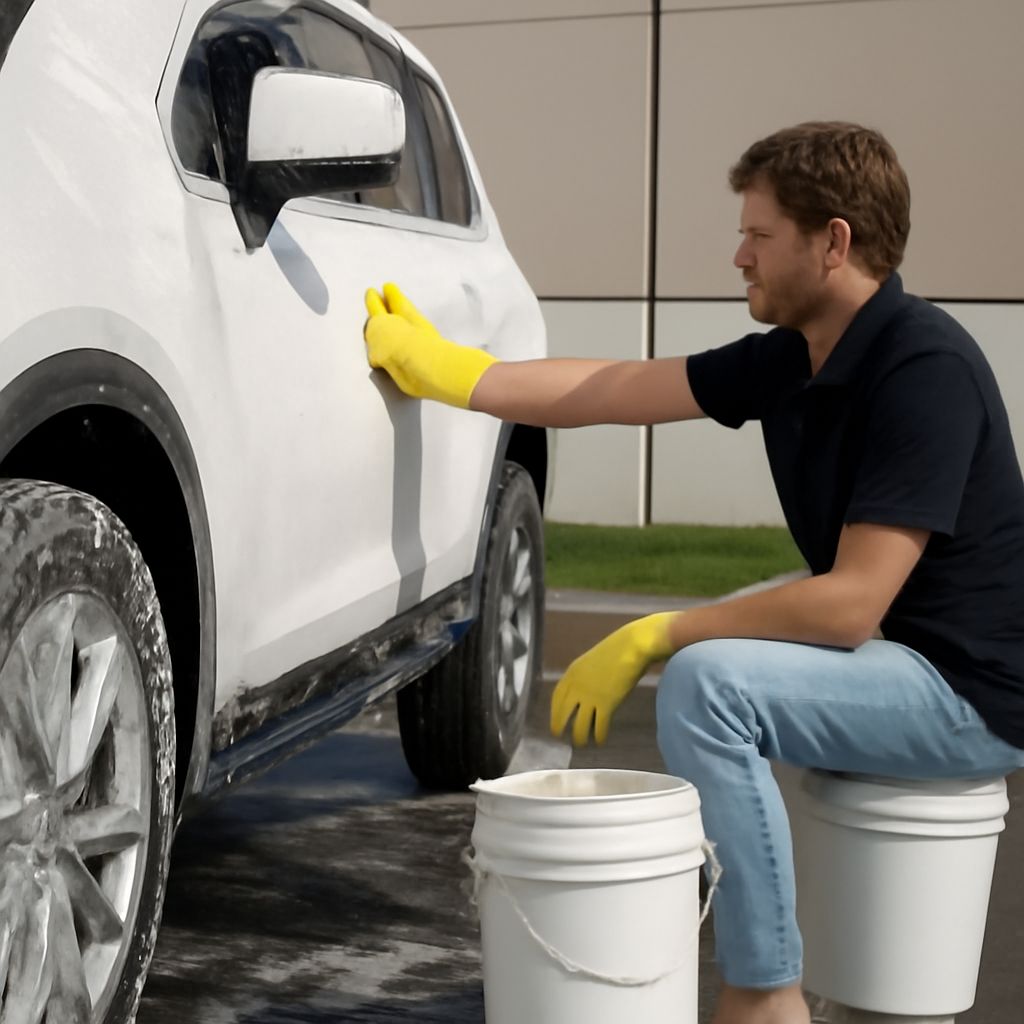
The contact media in automated car washes, even soft-cloth systems, accumulates abrasive particles from previous vehicles. A hand wash car wash allows the operator to inspect and rinse the mitt or cloth frequently, ensuring only clean material contacts the paint. Microfiber wash mitts used correctly apply almost no mechanical pressure, allowing the soap to do the lifting work. This approach is the foundation of the two-bucket method—one bucket for soapy water, one for rinsing the mitt—which professional detailers use as the minimum acceptable standard for a thorough car hand wash.
Setting Up for a Proper Car Hand Wash
Equipment matters. The right supplies for a car hand wash include a pH-neutral automotive shampoo, two clean buckets with grit guards at the bottom, a quality microfiber wash mitt, a dedicated wheel brush, separate wheel bucket, and a set of drying towels rated for automotive use. Washing in direct sunlight or on a hot surface accelerates product drying and leaves water spots, so early morning or shaded conditions are ideal. Park on a flat surface with good drainage and rinse the entire vehicle before applying any soap to remove loose debris that could cause scratching during the wash phase.
Car Wash Detail: Going Beyond the Paint Surface
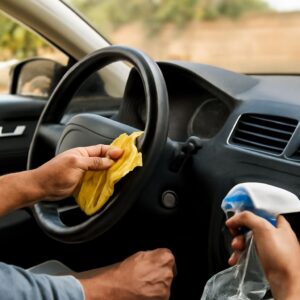
A car wash detail extends the process beyond exterior paint to include glass cleaning, tire and wheel dressing, door jamb wiping, and trim conditioning. These areas are often skipped in a routine wash but accumulate dirt, brake dust, and UV damage faster than painted surfaces. Using a separate sponge or mitt for wheels prevents iron-contaminated brake dust from transferring to the paint. After washing, clay bar treatment removes bonded contaminants that regular washing cannot lift, leaving a surface smooth enough for wax or sealant application. A proper car wash detail also includes drying with a clean, plush microfiber towel using a blotting motion rather than dragging, which prevents the final wash-induced scratches that undermine the entire process.
Detailing Car Wash vs Standard Wash
A detailing car wash differs from a maintenance wash in both scope and frequency. Maintenance washes should occur every one to two weeks to prevent contaminant buildup. A detailing car wash—which includes clay, polish, and protection application—is appropriate every three to six months depending on the vehicle’s exposure to environmental contaminants. Not every wash requires full decontamination treatment, but a detailing car wash schedule anchors the maintenance calendar and ensures the protective coating above the paint is refreshed before it degrades.
What a Detailed Car Wash Achieves Long-Term
A detailed car wash performed consistently over the life of the vehicle produces compounding benefits. Paint that is regularly decontaminated, polished, and protected retains gloss depth and resists oxidation significantly longer than paint subjected only to automated washing. Vehicles with maintained paint command higher resale prices and require less correction work before sale. A detailed car wash also surfaces problems early—scratches, rust spots, and paint delamination are far easier to identify and address on a clean, properly illuminated vehicle than on one coated in grime. Pro tips recap: use the two-bucket method for every car hand wash, schedule a full detailing car wash quarterly, apply a ceramic coating or quality wax after each decontamination session, and always dry with a clean microfiber towel to protect the clear coat you just washed.