Diffuser Car Guide: Choosing and Using a Car Scent Diffuser Safely
A diffuser car owners attach to their vents or cup holders does more than mask odors — it delivers a continuous, controlled scent experience during commutes and road trips. The market now offers several formats, from ultrasonic units to passive clip-on pads, each suited to different preferences. A car scent diffuser that runs on essential oils needs careful selection to avoid staining interior surfaces or overwhelming passengers in an enclosed space.
Shoppers weighing an essential oil car freshener against synthetic options should consider fragrance longevity, refill cost, and whether the unit requires a power source. The range of car diffusers available covers plug-in ultrasonic models, reed-style vent clips, and solid gel formats, so matching device type to lifestyle matters as much as scent preference. A car diffuser essential oil unit paired with the right oil concentration keeps the cabin pleasant without triggering headaches.
Types of Car Diffusers
Ultrasonic USB Diffusers
Ultrasonic car diffusers use vibration to break water and essential oil into a fine mist. They connect via USB to the vehicle’s charging port and typically hold 30 to 100 ml of liquid. These units produce visible mist and relatively strong scent output, making them a popular choice for drivers who want an essential oil car freshener experience rather than a purely synthetic fragrance.
Vent Clip Diffusers
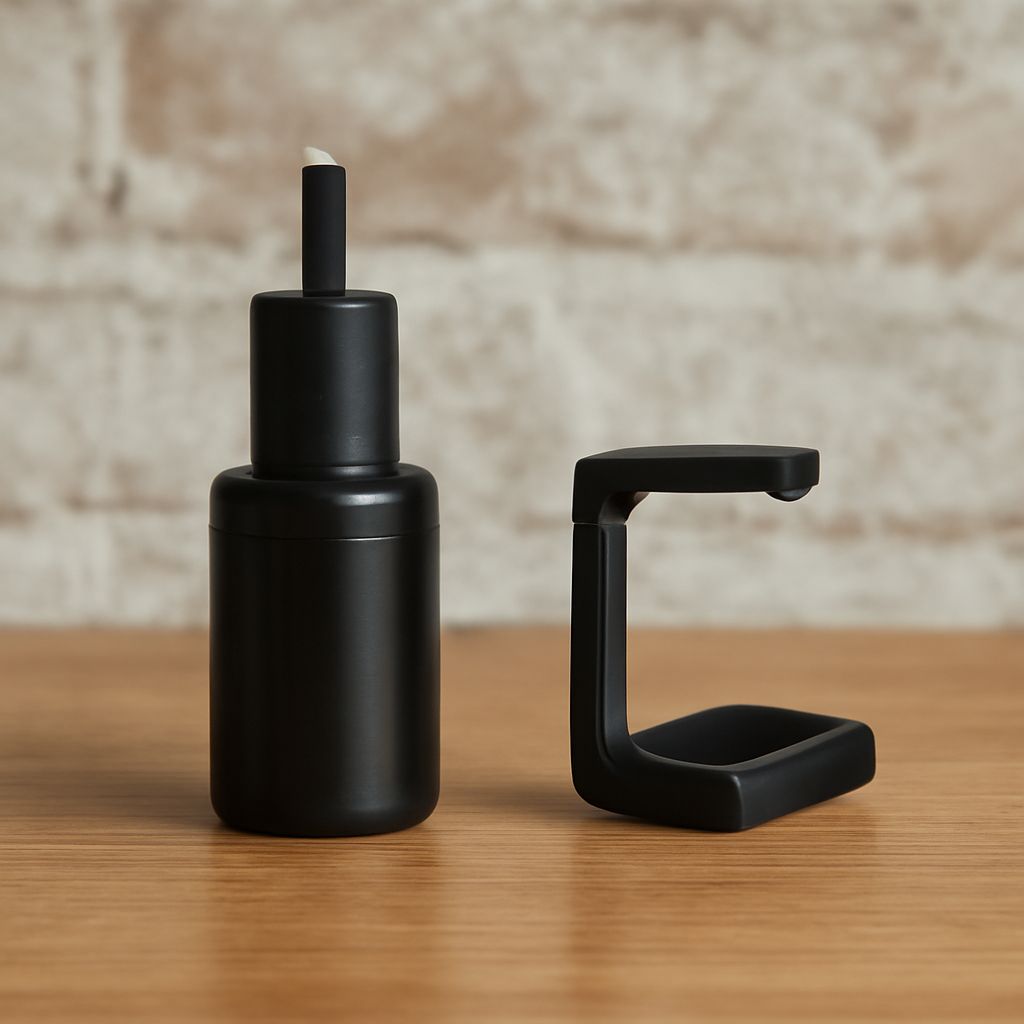
Clip-on diffuser car units attach directly to air vents and use airflow to disperse scent from a soaked pad or a small reservoir. They require no power, cost less than ultrasonic models, and suit drivers who prefer a subtle background scent. Refill pads for these units often accept car diffuser essential oil drops, keeping fragrance options open.
Passive and Solid Formats
Gel-based and solid car diffusers evaporate slowly at room temperature without requiring airflow or power. They work consistently even with the climate system off, though output depends heavily on cabin temperature. Higher cabin temperatures accelerate evaporation, which can shorten the product life significantly in summer.
Choosing the Right Essential Oil for a Car Diffuser
Not every essential oil suits a car environment. Oils with high viscosity or dark pigmentation can clog ultrasonic units or stain fabric seats if spilled. Light oils — citrus variants, peppermint, eucalyptus, and lavender — perform well in most car diffusers without residue problems. Concentration matters: two to three drops in a water-based ultrasonic car scent diffuser produces adequate scent in a standard passenger compartment without overwhelming occupants.
Safety Considerations
Placing an ultrasonic diffuser car unit within the driver’s sightline creates a distraction risk from the visible mist. Mounting on the passenger-side dash or in a rear cup holder keeps the unit out of the primary visual field. Passengers with respiratory conditions may react to concentrated essential oil car freshener output, so starting at the lowest diffusion setting and increasing gradually is the safer approach. Never add cooking oils, perfume, or undiluted essential oils directly to an ultrasonic reservoir without diluting in water first, as concentrated oils damage the membrane.
Maintenance and Refill Practices
Cleaning an ultrasonic diffuser car device every two to three weeks prevents mold growth in the water reservoir and residue buildup on the vibrating membrane. A soft cloth dampened with diluted white vinegar removes oil film without damaging internal components. Vent clip car diffusers need pad replacement when scent output fades noticeably, typically every two to four weeks depending on driving frequency and climate control use. Keeping a small bottle of the preferred car diffuser essential oil in the glove box simplifies refills on the road.
Next steps: Select a diffuser format based on power availability and preferred scent intensity. Start with light, water-diluted essential oils and a low diffusion setting. Clean the unit every few weeks to maintain consistent output and prevent residue from building up in the reservoir or vent clip housing.