Car Starter: How to Diagnose and Fix Issues
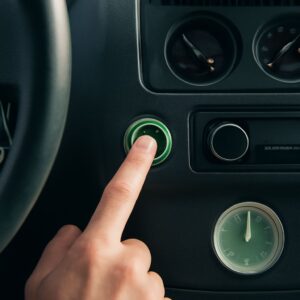
Have you ever turned the key in your car only to be met with silence? It’s a frustrating scenario many drivers face, often pointing to problems with the car starter. Understanding how to start a car with a bad starter and knowing why your car won’t jump start are crucial skills for any vehicle owner. This guide dives into common car starter issues and offers practical solutions.
From identifying the symptoms of a bad starter to knowing when it’s time to seek professional help, having this knowledge can save time and money. Whether it’s your first time dealing with these issues or you’re looking to refresh your understanding, learn how to troubleshoot and address these problems effectively.
Understanding the Car Starter
The car starter is a critical component in the ignition system, converting electrical energy from the battery to mechanical energy to start the engine. It consists of several smaller parts, including the motor, solenoid, and overrunning clutch. Regular maintenance of these components can prevent issues and ensure your vehicle starts reliably.
A starter for a car can fail due to wear and tear over time, electrical faults, or mechanical breakdowns. Ignoring signs of a failing starter can lead to more significant issues, potentially leaving you stranded.
Common Symptoms of a Bad Starter
Identifying the symptoms of a bad starter early can prevent further damage. Key signs include a clicking noise when turning the key, a grinding sound, or the car failing to start altogether. In more severe cases, smoke or a burning smell may emanate from the engine bay, indicating immediate attention is necessary.
If your vehicle exhibits these symptoms, it’s essential to investigate promptly. A thorough inspection can determine if the issue lies with the starter or another part of the ignition system, ensuring you address the root cause effectively.
How to Start a Car with a Bad Starter
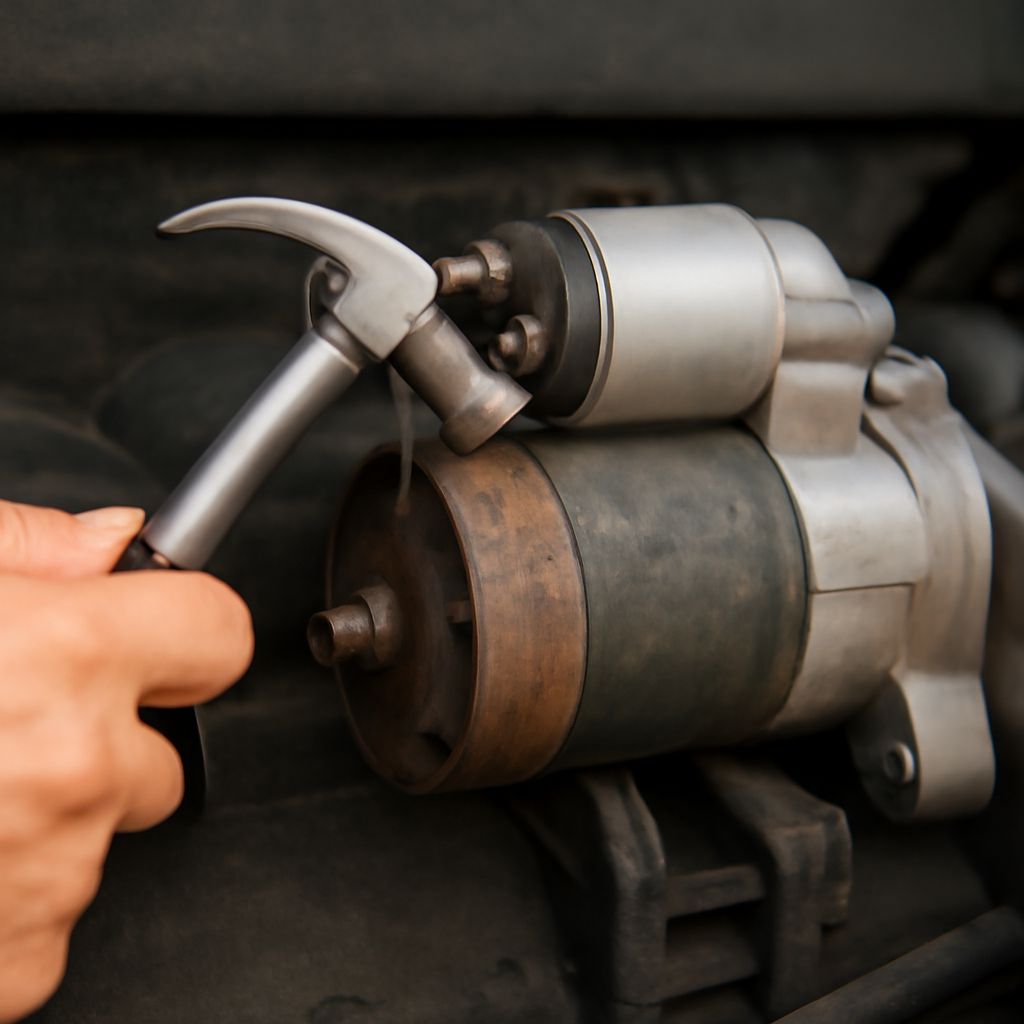
Learning how to start a car with a bad starter can be a lifesaver in emergencies. One method involves tapping the starter lightly with a tool; this can sometimes free up a stuck gear. However, caution is advised—applying too much force can cause further damage.
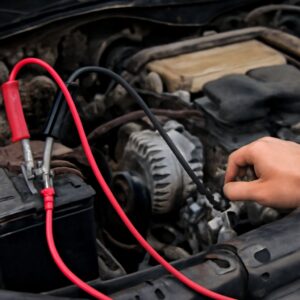
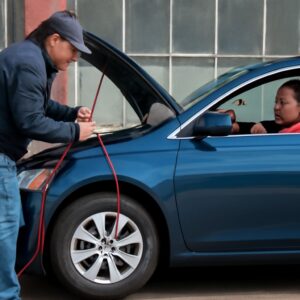
Another technique involves jump-starting the car. Ensure all connections are secure and correct before attempting this. If the car starts, it’s an indication the starter may be on its last legs, and replacement should be considered to avoid future inconveniences.
Troubleshooting: Car Won’t Jump Start
If your car won’t jump start, the issue might not be the starter alone. It’s vital to check the battery as well, ensuring it holds a charge and is in good condition. Corroded battery terminals can also impede the flow of electricity necessary to start the car.
Inspecting the connections and the alternator is also essential. A faulty alternator can result in the battery not charging correctly, leading to starting issues. Addressing these areas can help troubleshoot why your car won’t jump start and guide you to a solution.
When to Seek Professional Help
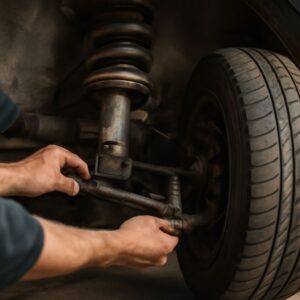
While some starter issues can be addressed independently, certain situations warrant professional intervention. If DIY solutions fail to resolve the problem or if you’re uncomfortable performing repairs, it’s best to consult a qualified mechanic. They have the tools and expertise to diagnose and repair the issue efficiently.
Seeking professional help is crucial when there are complex electrical faults or when the starter is inaccessible without specialized equipment. This ensures the repair is performed safely and effectively, minimizing the risk of further automotive troubles.
Key takeaways: Understanding how to diagnose and fix starter issues is essential for all car owners. Recognizing the signs of a bad starter and knowing how to start a car with a bad starter can prevent being stranded. Remember, if troubleshooting doesn’t resolve the issue, professional help ensures your vehicle receives the best care.