Car Mold: How to Identify, Remove, and Prevent It Safely
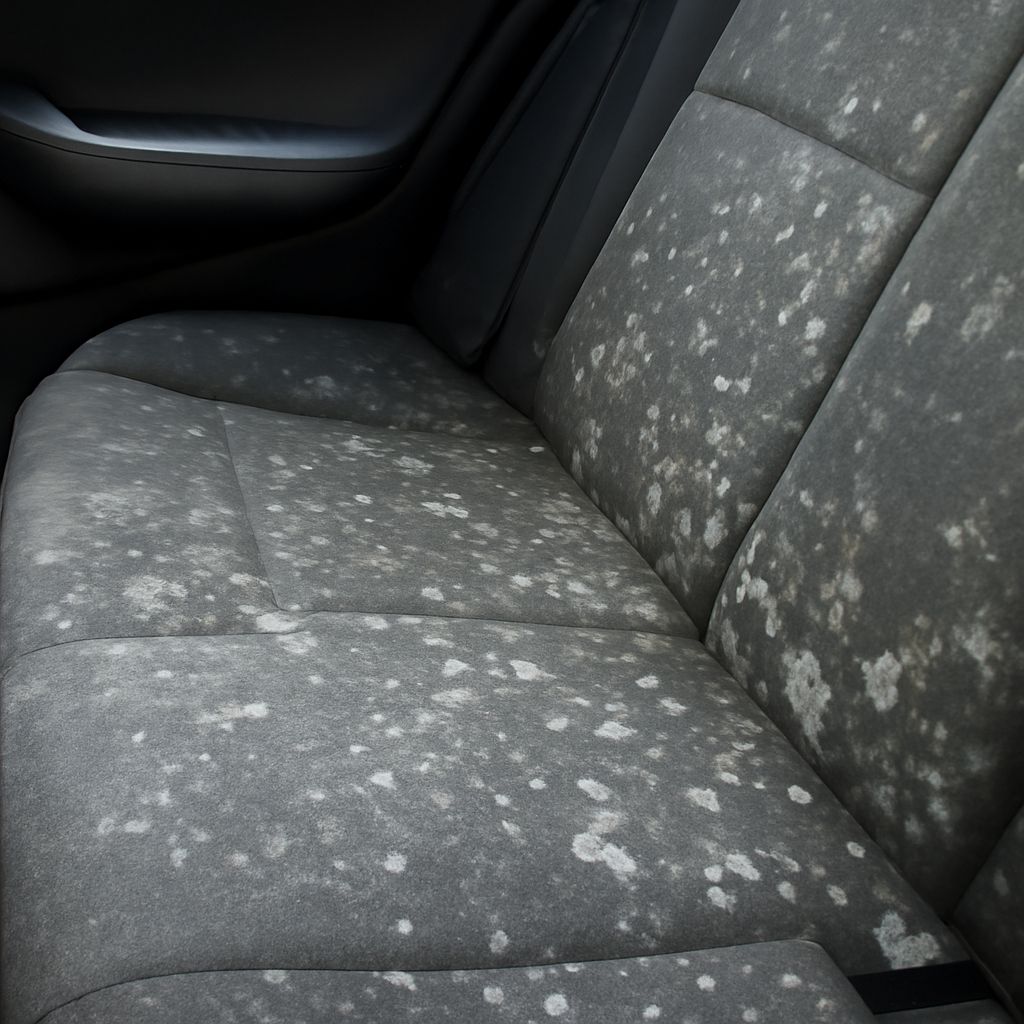
Has a musty smell developed inside a vehicle that was recently wet? Car mold is one of the most common and overlooked problems for drivers in humid climates or after water intrusion events. Black mold in car interiors spreads rapidly in dark, poorly ventilated spaces — particularly under seats, inside air vents, and in carpet fibers where moisture lingers.
Knowing how to clean mold out of a car safely, how to remove mold from car upholstery, and how to remove mold from car exterior rubber and paint prevents health risks and preserves the vehicle’s value. Early action is far less expensive than professional mold remediation or interior replacement.
Why Car Mold Develops and Where to Find It
Interior Mold Hotspots
Car mold thrives wherever moisture accumulates without drying quickly. Common interior locations include under floor mats, inside the trunk where spare tires trap humidity, in seat crevices, and inside the HVAC evaporator housing. A blocked cabin air drain — often located under the cowl panel — allows rainwater to pool inside the footwell, creating ideal conditions for mold colonies within 24–48 hours of saturation.
Exterior Mold and Paint Damage
Exterior car mold typically appears on rubber door seals, window trim, convertible soft tops, and under wheel arch liners where road spray and organic debris collect. Mold on painted surfaces is less common but occurs on vehicles stored outdoors under tree cover where organic material deposits on the finish.
Health Risks of Black Mold in Car Environments
Black mold in car cabins poses respiratory risks for occupants, particularly children and individuals with existing respiratory conditions. The confined interior space concentrates airborne mold spores at levels that can exceed safe exposure thresholds within minutes of entering the vehicle. Symptoms of black mold in car exposure include irritated eyes, sneezing, headaches, and worsening of asthma symptoms. Professional air quality testing is advisable when mold colonies are visible across multiple surfaces, indicating heavy contamination beyond surface treatment.
How to Clean Mold Out of a Car: Step-by-Step
To effectively clean mold out of a car, begin by wearing an N95 respirator and nitrile gloves to avoid inhaling spores during treatment. Remove and bag all floor mats and seat covers for separate outdoor treatment. Apply a white vinegar solution (undiluted) or a commercial mold-specific interior cleaner to all affected fabric surfaces, allowing a 10-minute dwell time before scrubbing with a stiff brush. How to clean mold out of a car correctly requires thorough extraction — a wet/dry vacuum with a HEPA filter removes loosened mold material and residual moisture simultaneously. After treatment, run the HVAC system on fresh air with the windows down to dry the interior completely.
How to Remove Mold From Car Upholstery and Carpets
Knowing how to remove mold from car seats and carpets requires matching the cleaning method to the material. Fabric seats respond well to enzyme-based upholstery cleaners that break down organic mold matter without damaging fibers. Leather and vinyl surfaces should be treated with a pH-neutral mold cleaner — harsh acids or bleach solutions discolor and crack leather permanently. How to remove mold from car carpets effectively involves steam cleaning after chemical treatment, which kills residual spores and lifts embedded material from deep within the pile. Allow 6–8 hours of drying with doors open before closing the vehicle.
Remove Mold From Car Exterior: Paint and Rubber Seals
To remove mold from car exterior rubber seals, apply a diluted bleach solution (1:10 ratio) with a detailing brush, scrub gently, and rinse immediately with clean water. Mold on rubber degrades the sealing compound over time, increasing water ingress risk. To remove mold from car exterior painted surfaces, a clay bar treatment followed by a quality paint cleaner removes surface contamination without scratching. Applying a ceramic or wax sealant afterward creates a hydrophobic barrier that prevents future organic buildup.
Addressing moisture sources — repairing window seals, clearing drain holes, and applying fabric sealant after cleaning — is the only reliable way to prevent recurring car mold growth after remediation.